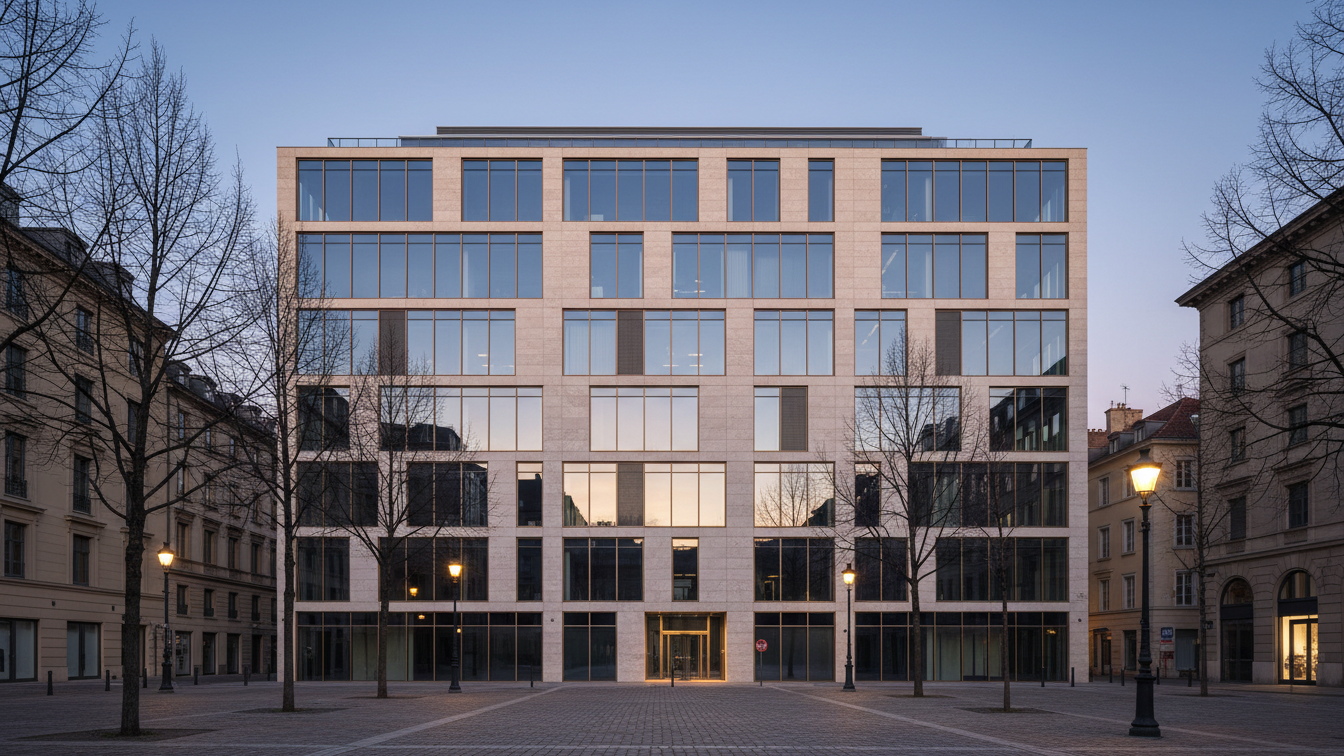
The German real estate market is currently facing increased pressure to act. Key factors contributing to this include expiring financing, growing complexity in refinancing, and ongoing capital outflows from real estate funds. These developments are contributing to greater transparency in market pricing.
The described mechanisms, particularly the need for liquidity and the necessity of portfolio adjustments, are leading to a situation where owners and investors are increasingly willing to adapt their price expectations to current market conditions. This results in visible sales pressure, which extends across various segments of the real estate market.
Impact on various market segments
The effects of this pressure are not uniformly distributed across all property classes but are evident with varying intensity. Capital withdrawals from open-ended real estate funds and the reallocation of investment capital heighten the need for disposals to ensure liquidity or implement strategic realignments. These processes thus influence offering behaviour and price levels.
The increased necessity to sell properties means that offers are more precisely aligned with current market values. For market participants, this signifies a phase where valuation criteria are being readjusted, and transactions must occur on a more objective price basis. This creates an opportunity for buyers who possess adequate liquidity and are willing to invest in the current market environment.
Implications for investors and owners
The current market situation requires owners and institutional investors to carefully analyse their portfolios and financing structures. Proactive adaptation to the changed conditions can be crucial for securing the value of real estate investments or for optimally managing strategic divestments. The market is thus in a phase of consolidation and revaluation, which is likely to be indicative for future developments.