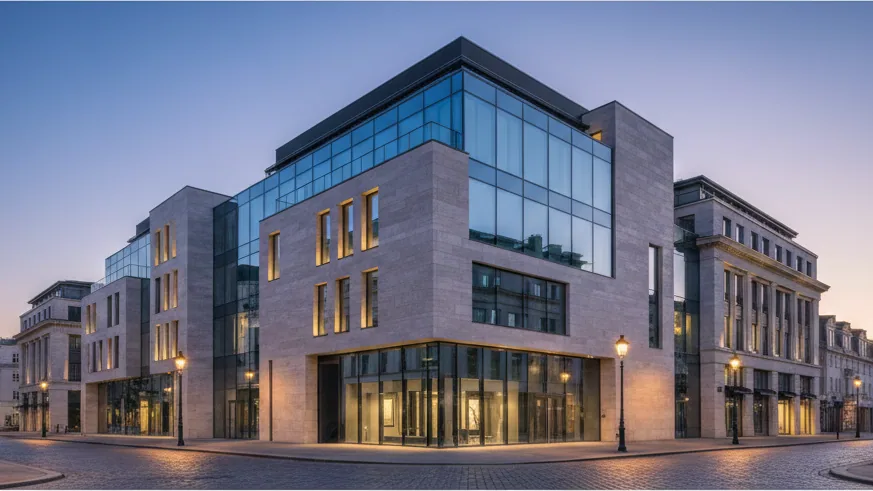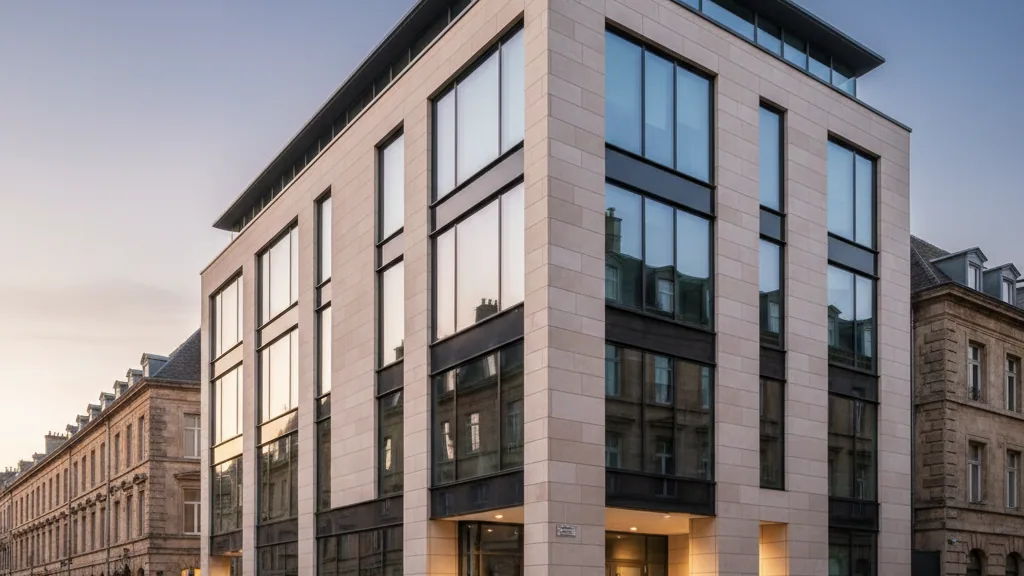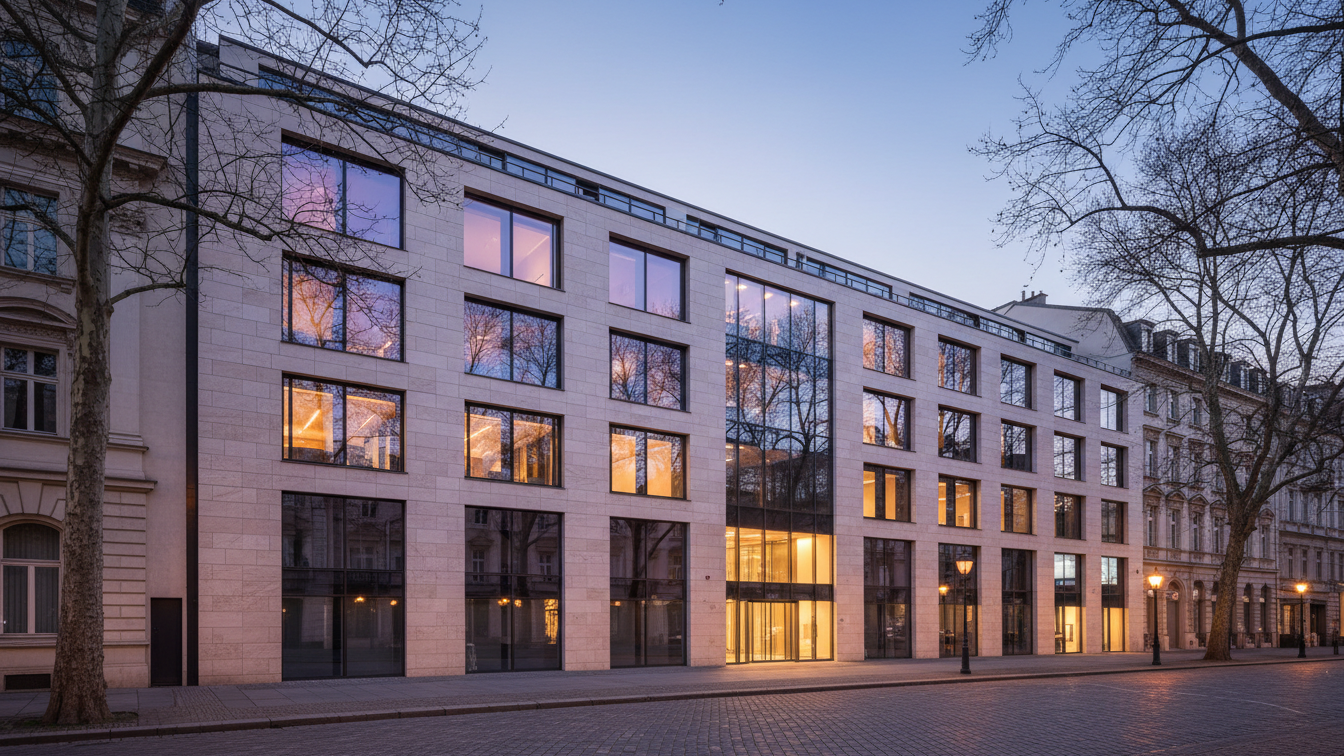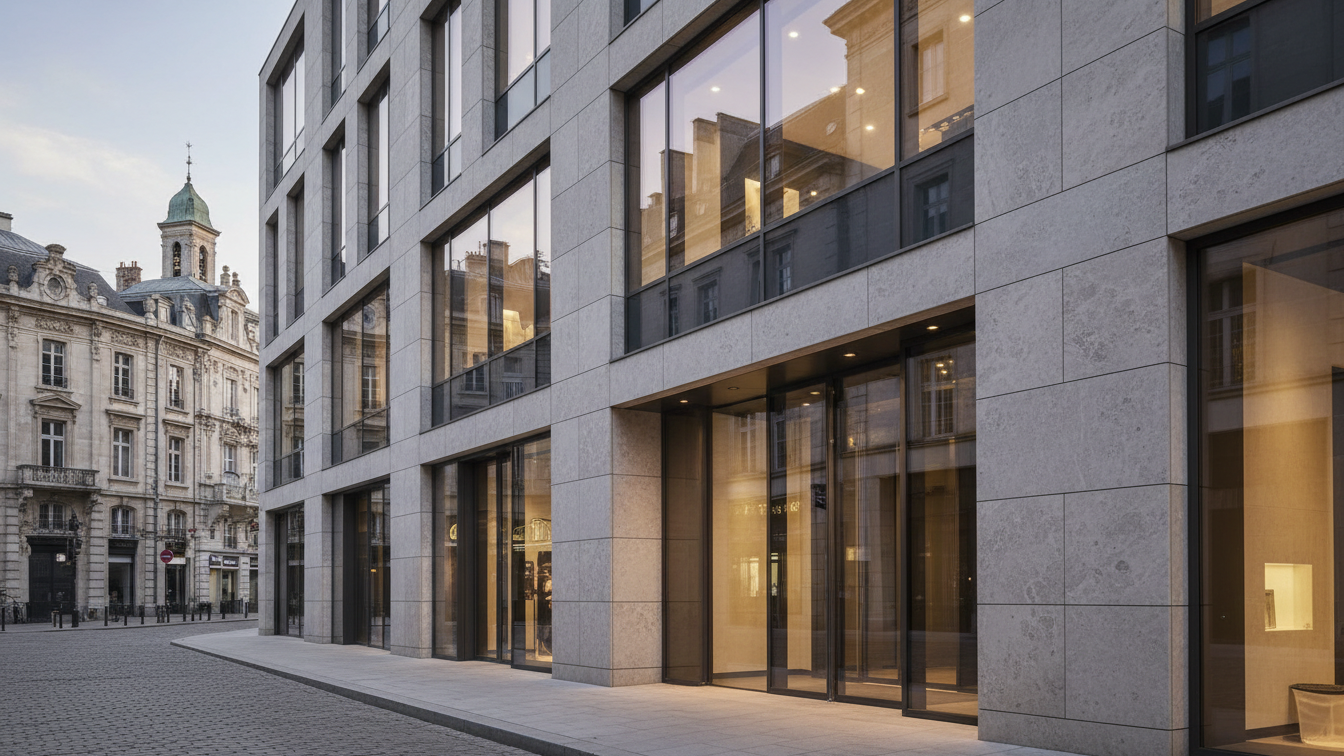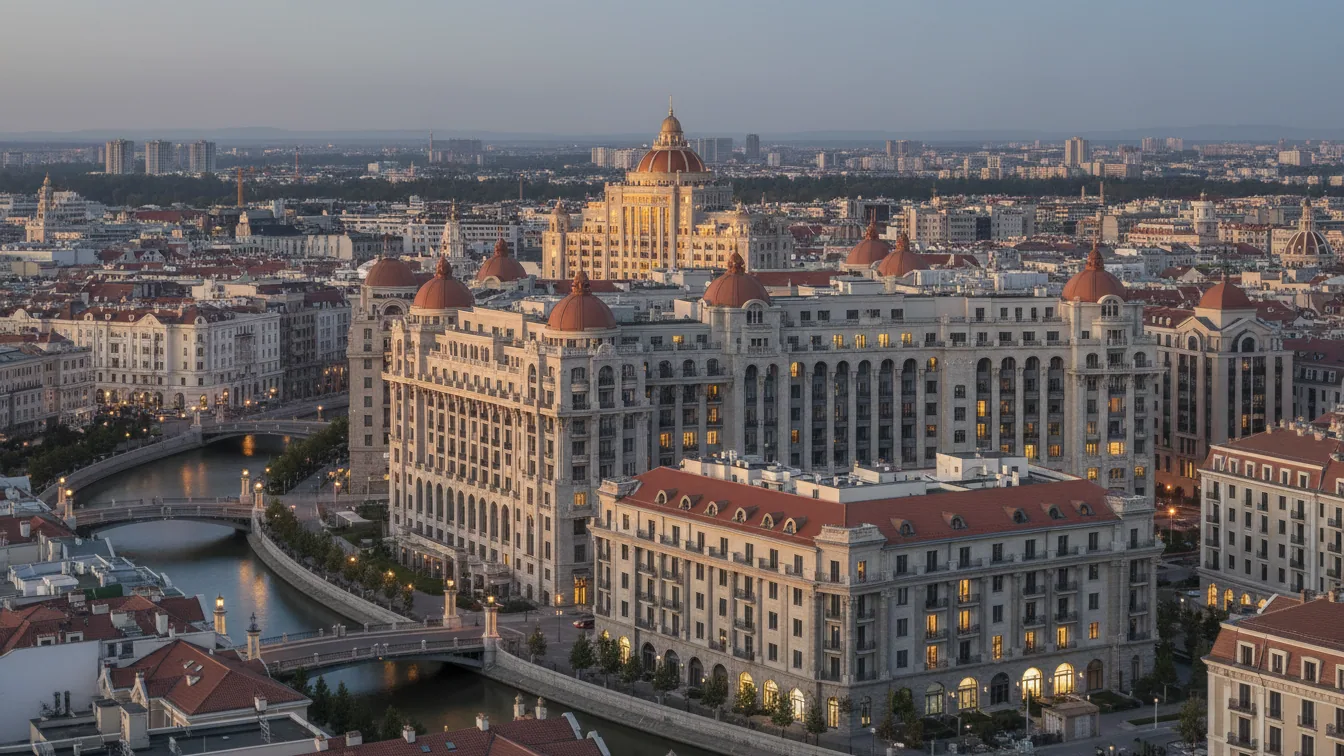
Regio Augsburg Wirtschaft GmbH and the analysis and consulting firm bulwiengesa presented their A³ Immobilienmarktreport 2025/2026. The presentation took place in the elfgenpick studio on the Augsburg Gaswerk site and was conveyed via livestream to around 100 participants. A key finding of the report is the observation of a diminishing acute uncertainty that has characterised the property markets in recent years. However, a comprehensive market recovery is not yet evident; developments continue to vary across asset classes.
The Augsburg economic region, encompassing the city of Augsburg and the districts of Augsburg and Aichach-Friedberg, maintains its attractiveness as a location. This is due to a diverse economic structure, a solid industrial base, a high quality of life, and a growing innovation environment. Oliver Rohr, Head of Consulting at bulwiengesa GmbH, commented on the situation, highlighting that the property market in the Augsburg region is registering initial signs of stabilisation. He emphasised that while the market still faces challenges, better orientation and clear prospects are already discernible in certain segments.
Residential properties: High demand and new approaches
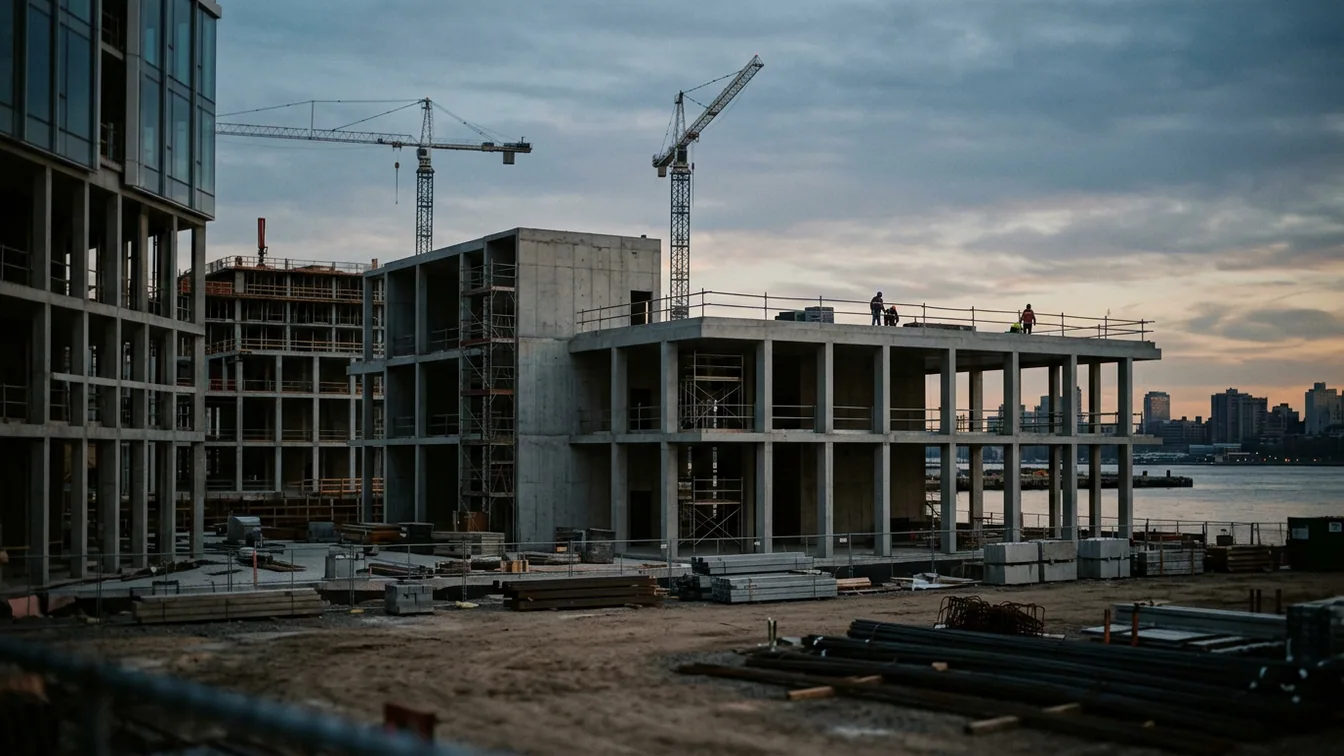
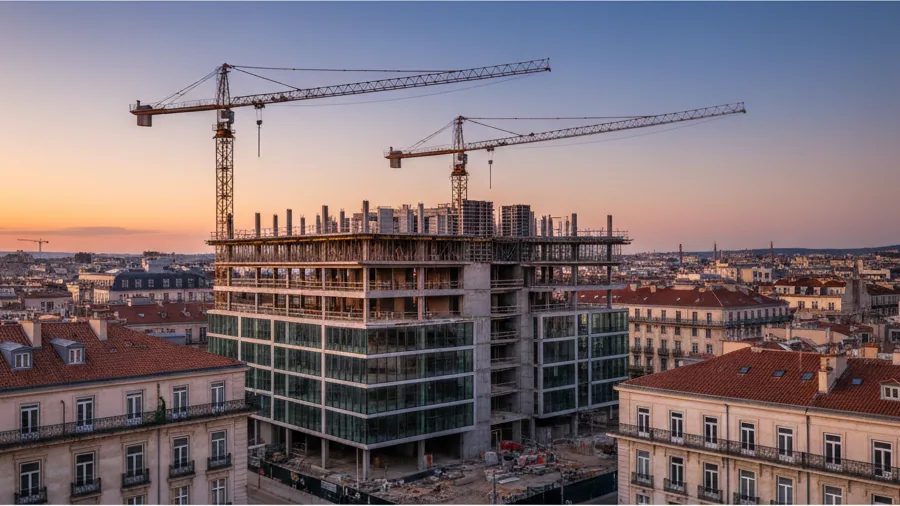
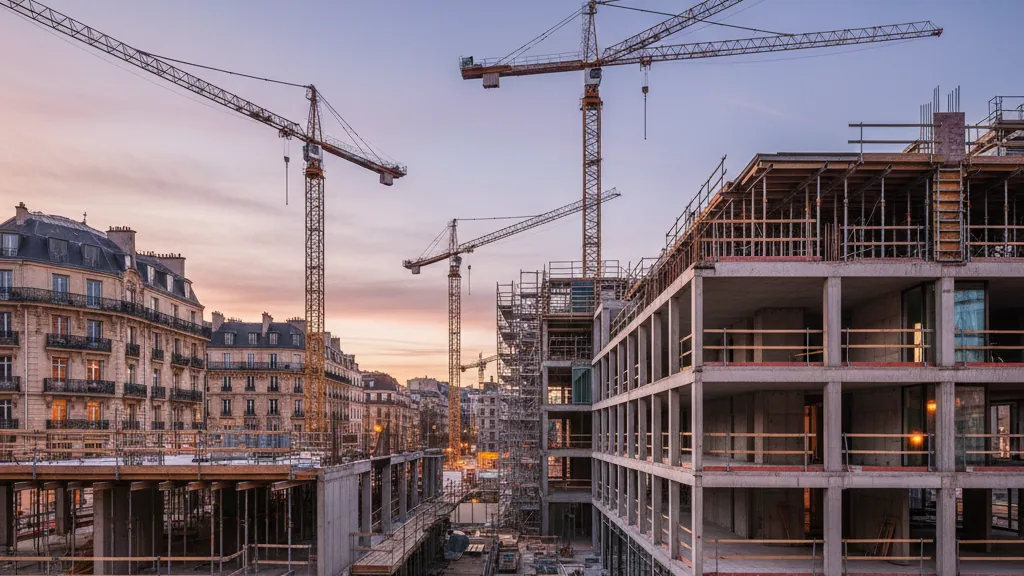
In the residential property sector, there is consistently high demand. Nevertheless, rising construction costs, financing hurdles, and regulatory requirements continue to delay new construction activities. While purchase prices tend to stabilise again following a consolidation phase, rental prices in urban and suburban areas continue to rise. Modern, energy-efficient, and well-connected residential properties remain particularly sought after. As a result, the development and modernisation of existing stock are gaining relevance parallel to new construction. Aspects such as energy efficiency, contemporary floor plans, and changing housing needs are considered crucial for the future development of the housing market.
Dominik Lange, CEO of Peter Wagner Immobilien AG, underlined in his statement the necessity of an integrated approach to new construction, infill development, and existing stock development. Only in this way can the creation of demand-oriented and affordable housing in the Augsburg region be ensured.
Office and commercial properties: Quality and flexibility crucial
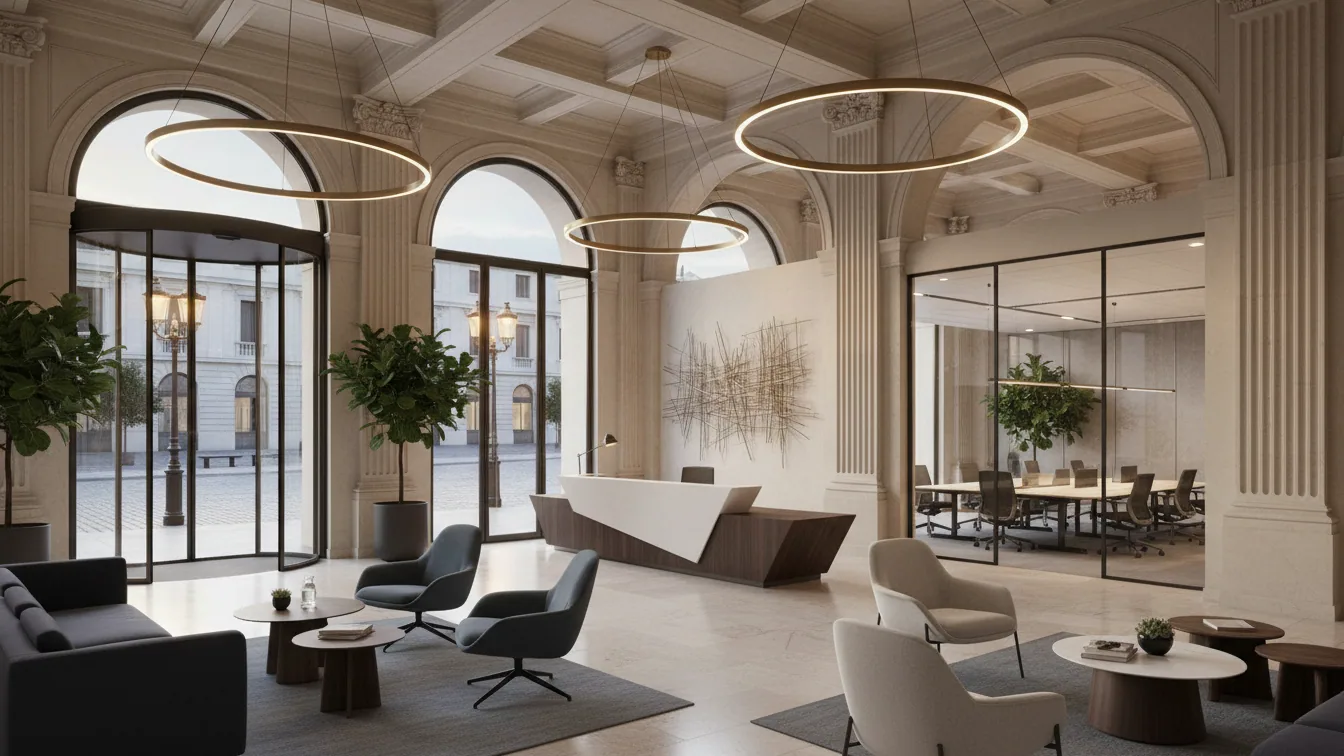
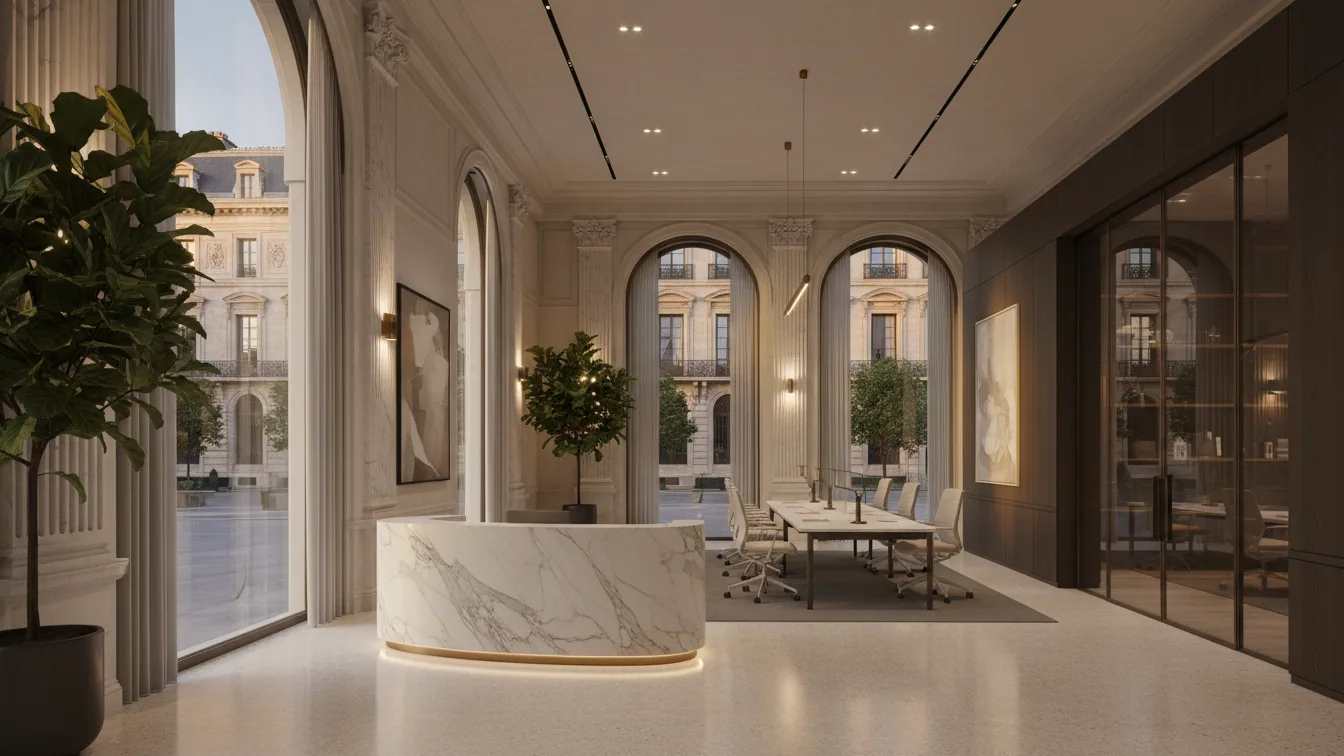
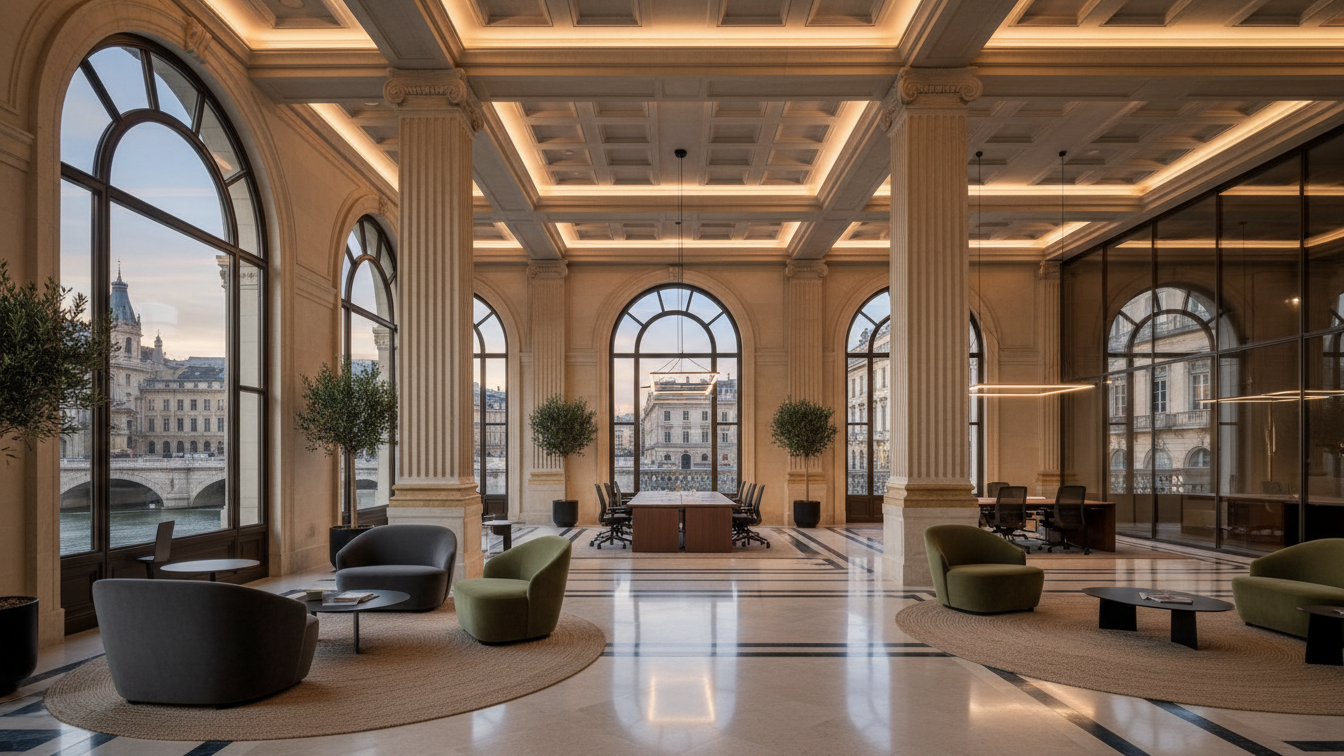
The office market is undergoing a period of reorientation. Demand remains subdued due to economic uncertainties and altered working models. Potential primarily lies in modern, flexible, and well-situated office spaces. An increasing differentiation is noticeable between future-proof spaces with high amenity value and older properties with lower competitiveness. Norbert Müller, Managing Director of brixx Projektentwicklung GmbH, highlighted that the flexibility of office buildings will be decisive for the successful marketing of future office spaces. Buildings must, therefore, be able to adapt to various uses and requirements.
Logistics and light industrial properties are also showing slight signs of recovery. Here, modern, energy-efficient, and flexibly usable spaces are particularly in demand. In retail, developments are mixed: inner-city locations continue to face pressure for change, while local supply and retail park locations show a more stable trend.
The investment market remains selective; investments are primarily made in locations and properties characterised by clear quality, sustainable usage concepts, and flexible development opportunities. In the medium term, a gradual stabilisation rather than a dynamic market recovery is generally predicted. Andreas Thiel, Managing Director of Regio Augsburg Wirtschaft GmbH, emphasised the transparency created by the A³ Immobilienmarktreport and highlighted the joint efforts of stakeholders to develop viable concepts and make the location fit for the future.
- —No significant market impulses are expected in the short term.
- —Opportunities arise for projects that integrate quality, sustainability, and flexibility.
- —The housing market remains a central growth driver.
- —The necessity of integrated urban development encompassing new construction and existing stock is emphasised.