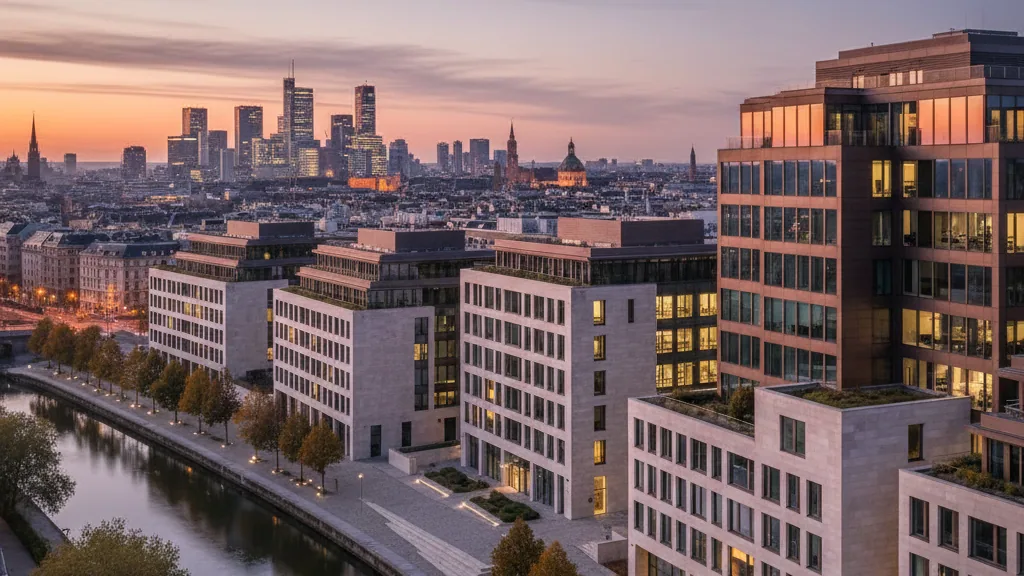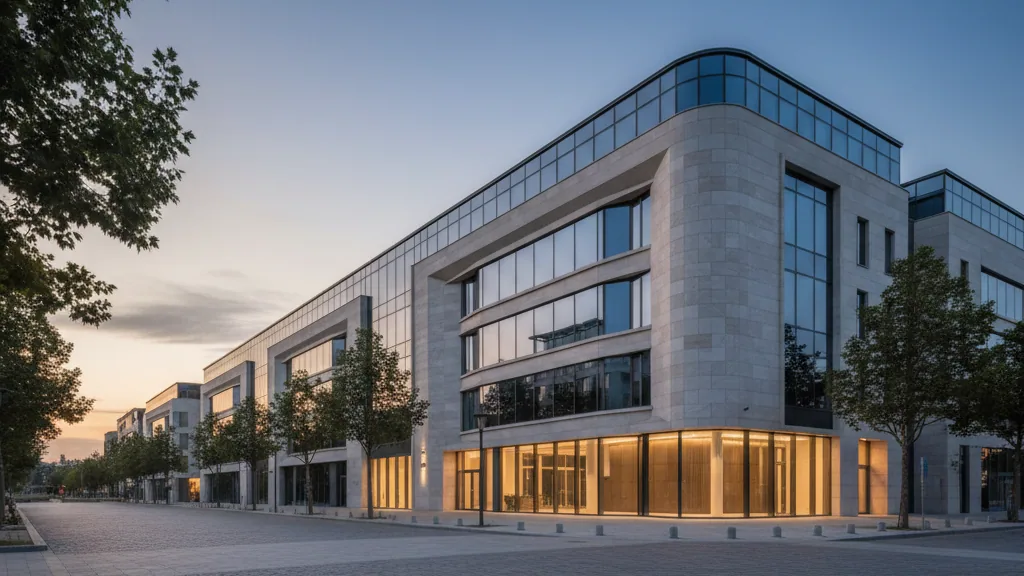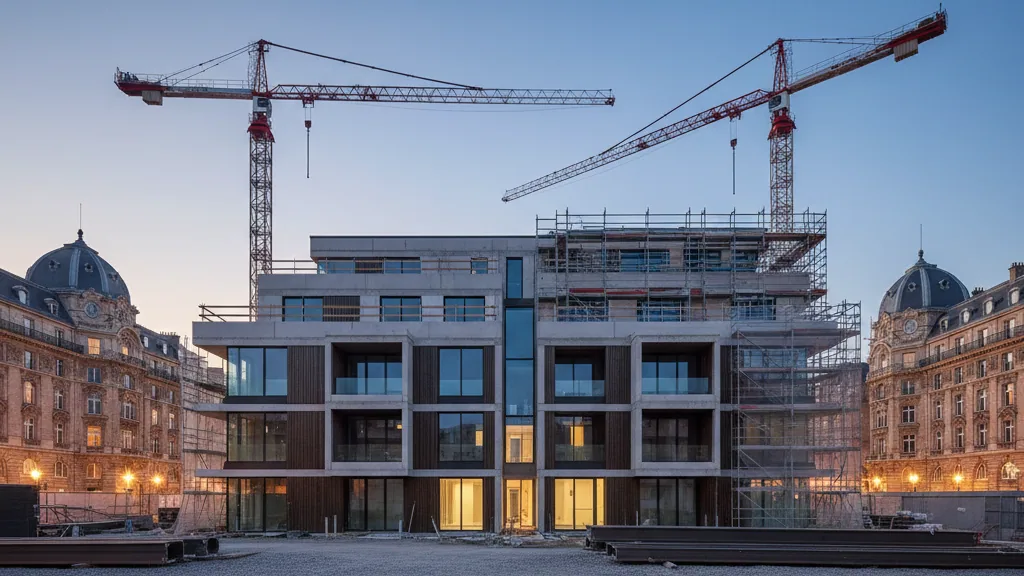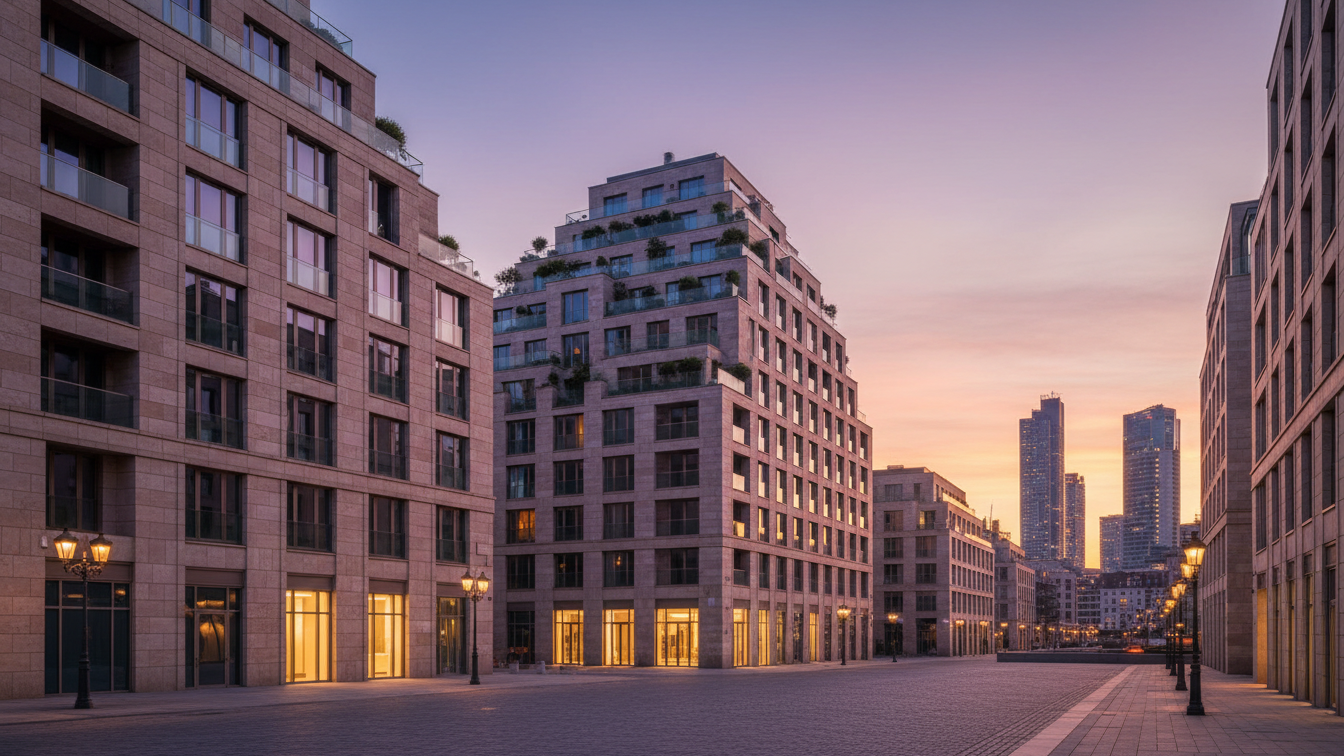
The German Sustainable Building Council (DGNB) has announced the winners of its Sustainability Challenge 2026. As part of this series of awards, Hamburg's Speicherstadt, specifically its CO2-neutral development, was honoured with three prizes. This multiple award underscores the relevance of future-oriented and environmentally responsible project approaches in the real estate industry.
The DGNB Sustainability Challenge assesses projects and concepts regarding their sustainability performance and their contribution to a climate-neutral transformation. Speicherstadt, a historically significant quarter, was rated as exemplary in several categories for its development aiming for climate neutrality. This reflects the endeavour to combine the preservation of cultural heritage with modern environmental standards.
Recognition of the Sustainability Concept
Speicherstadt's multiple awards from the DGNB in its Sustainability Challenge 2026 represent a significant event for the sector. It demonstrates that comprehensive sustainability concepts, which consider both ecological and socio-economic aspects, are increasingly gaining importance and receiving recognition from expert panels. The awards relate to developments aiming for CO2-neutral operation.
The awarding of Hamburg's Speicherstadt in three categories highlights the complexity and success of the concept implemented there. Such projects serve as reference models for future urban developments and existing property revitalisations, particularly with regard to meeting ambitious climate targets. With this Challenge, the DGNB recognises projects that realise innovative solutions for the challenges of sustainable construction and operation.
Implications for the Real Estate Sector
Speicherstadt's triple honour at the DGNB Sustainability Challenge 2026 provides important insights for the entire real estate industry. It proves that a consistent alignment with sustainability principles, even for historically evolved areas, can lead to measurable and award-winning successes. This underscores the necessity of integrating ecological aspects into the planning and implementation of real estate projects from the outset.