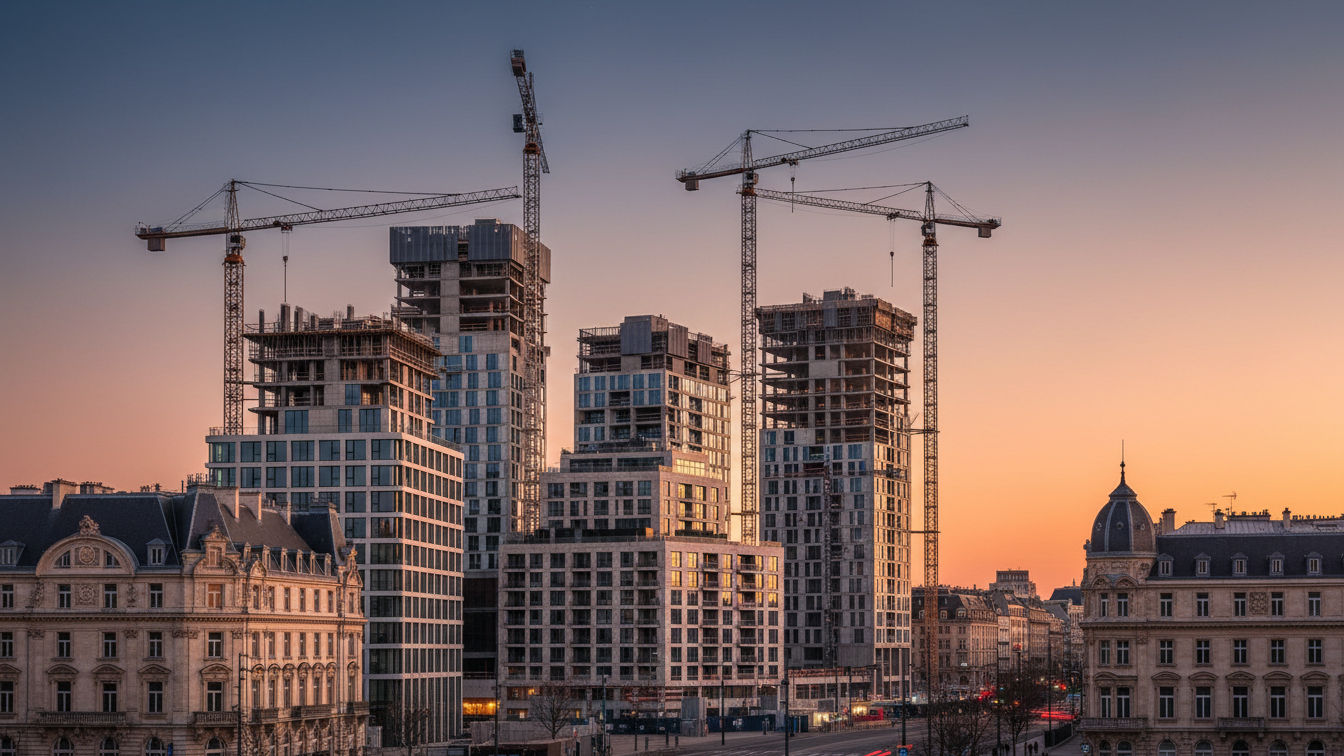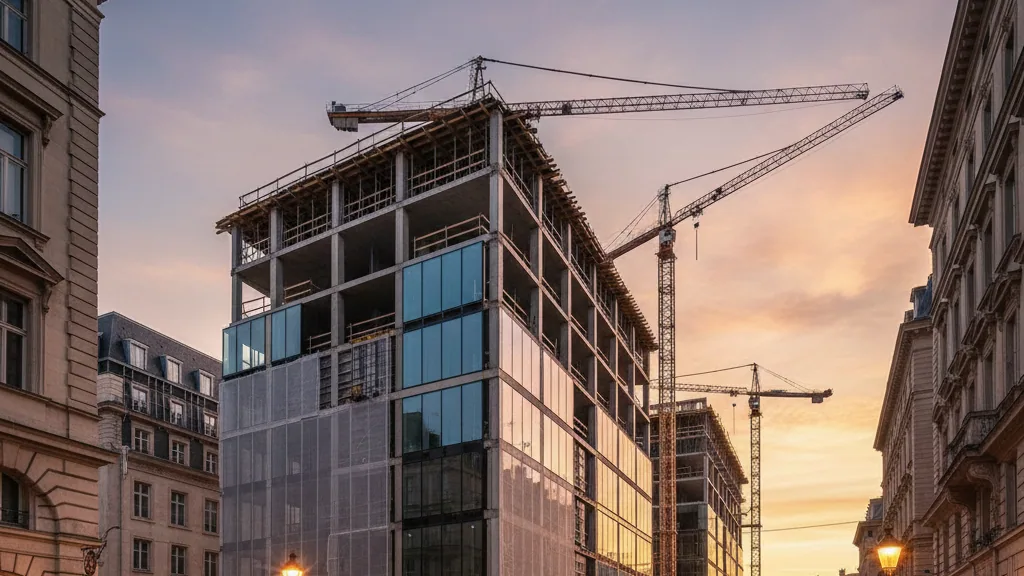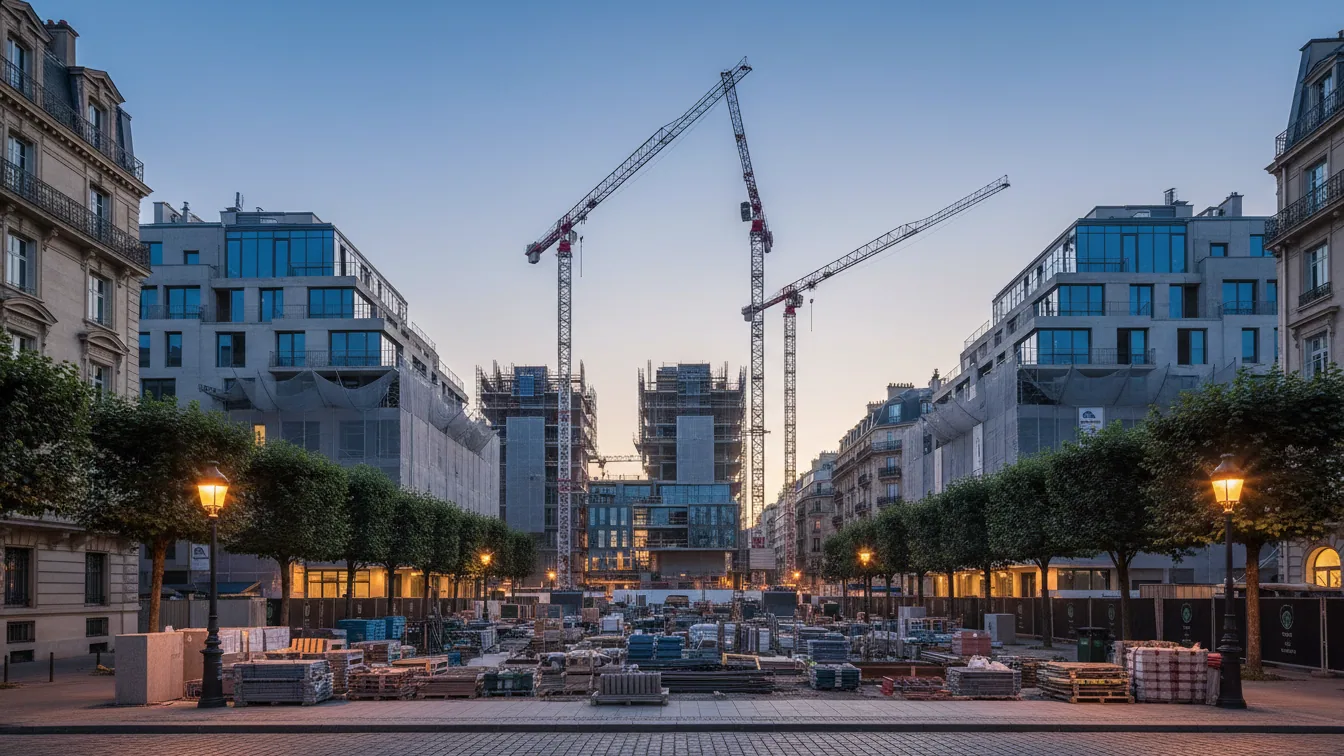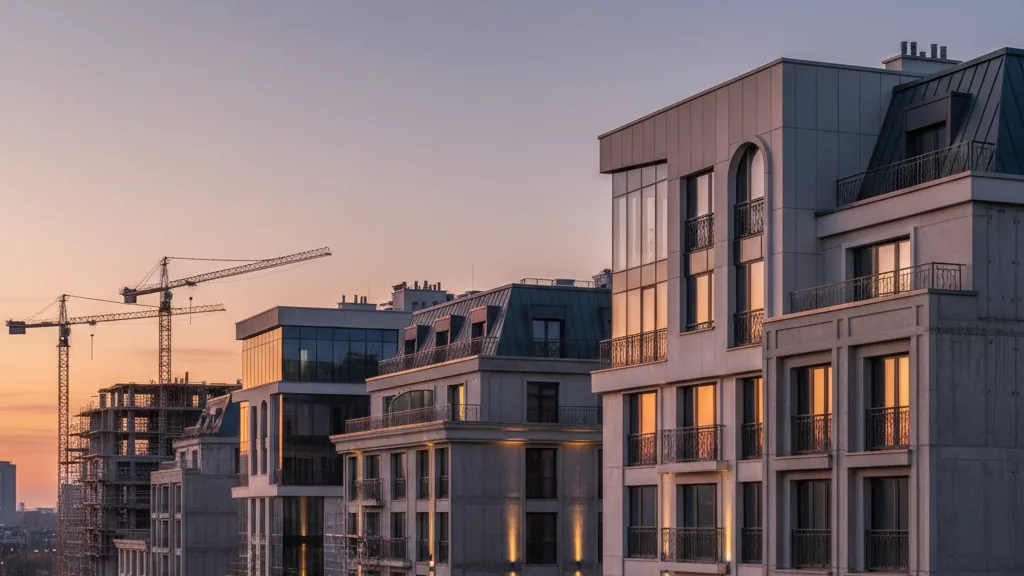
In less than seven months, the international construction industry will convene at BAU 2027 in Munich. The world's leading trade fair for architecture, materials, and systems, scheduled from 11th to 15th January 2027, serves as a central platform for showcasing sustainable solutions and products. Key themes include the creation of housing with efficient resource use, as well as the implementation of climate-responsive architecture.
The construction industry is currently undergoing a transformation. Housing construction, infrastructure projects, and renovation work are subject to high cost and time pressures. Simultaneously, demands for sustainability, digitalisation, and productivity are continuously increasing. Construction companies are challenged to deliver more comprehensive services with reduced skilled labour and often more complex framework conditions. BAU offers a vital platform for professional exchange during this phase of reorientation.
More than six months before the fair begins, the event is already receiving a positive response. Numerous leading companies, including Agrob Buchtal, Assa Abloy, Bechmann, dormakaba, Fritz Egger, Erlus, Geze, Gretsch-Unitas, Hörmann, Kleusberg, Renson, Schüco, Sika, and Tarkett, have already confirmed their participation. The current registration status corresponds to the comparative period of the previous event, indicating the industry's sustained interest. Cornelia Lutz, Project Manager for BAU, interprets the high exhibitor demand as an expression of internal industry optimism. She emphasised that companies are acting proactively and aim to help shape future developments. Especially in a challenging market environment, the exchange of ideas and the development of innovations are crucial for the future of construction.
Four key themes of BAU 2027
BAU 2027 will focus on four overarching key themes that will run through the various exhibition areas, lecture programmes, and special shows. These themes address the current and future challenges of the construction industry and provide guidance for solution approaches.
- —Changing Living Spaces: This theme focuses on flexible, accessible, and affordable housing and neighbourhood concepts that cater to different life stages. It includes the improved utilisation of existing buildings, the conversion of vacant properties into housing, and the simplification of construction processes. The aim is to create faster and more economical living spaces while maintaining quality. Alho and Hamberger Flooring will present related innovations.
- —Material and Resources: This area prioritises the responsible handling of building materials, existing building stock, and embodied energy. Aspects such as the preservation and repurposing of buildings, climate-appropriate material choices, and resource-efficient construction methods are covered. Digital product passports and material registers form the basis for a circular economy in construction. Schlagmann Poroton and Würth will showcase solutions in this regard.
- —Digitalisation and Productivity: The shift towards more efficient, networked, and data-driven processes in planning, construction, and operation will be addressed. Digital tools such as generative design, digital twins, and smart building infrastructure are intended to reduce cost and efficiency pressures. Increased digital competence and better integration of processes are crucial here. Nemetschek is one of the exhibitors in the field of digital solutions.
- —Climate Protection and Climate Adaptation: This section is dedicated to the task of making buildings, cities, and neighbourhoods less emissive and more resilient to climatic changes such as heat and heavy rainfall. Measures such as de-sealing and the sponge city principle contribute to safety, health, and quality of life. Caparol and Stiebel Eltron are present here with new approaches.
Furthermore, BAU will promote the topic of Serial and Modular Construction in January 2027. A cooperation with the Baden-Württemberg Association for Concrete and Precast Plants and a dedicated exhibition area in Hall A2 underline the importance of this construction method for effectiveness and cost savings. For the first time, the "BLACK BOX" format will also be introduced, making construction processes, interfaces, and applications visible beyond isolated product presentations. Another new exhibition area will be dedicated to interior design and will occupy part of Hall A4. The purchase of tickets for BAU 2027 is expected to be available online from mid-August 2026.