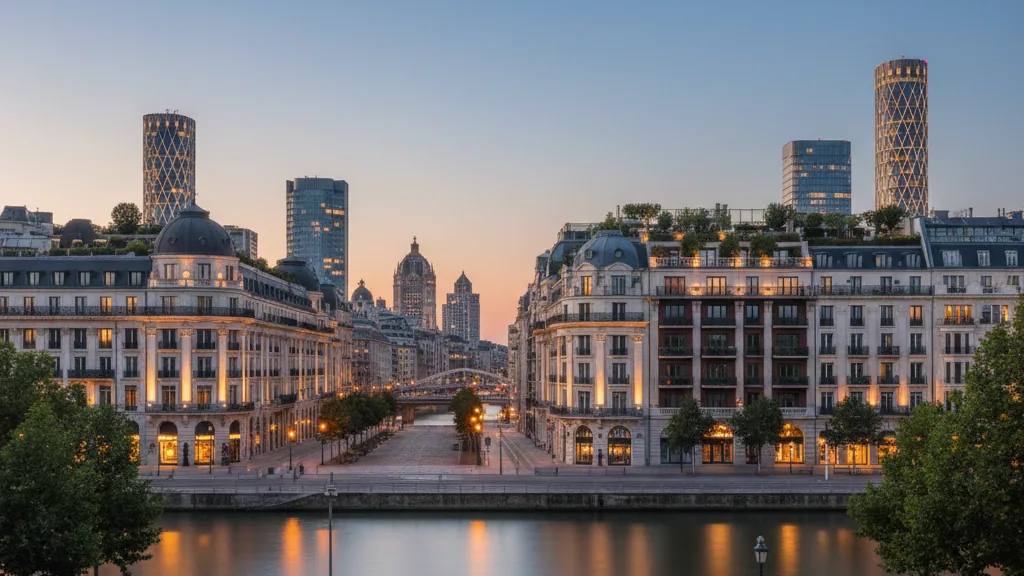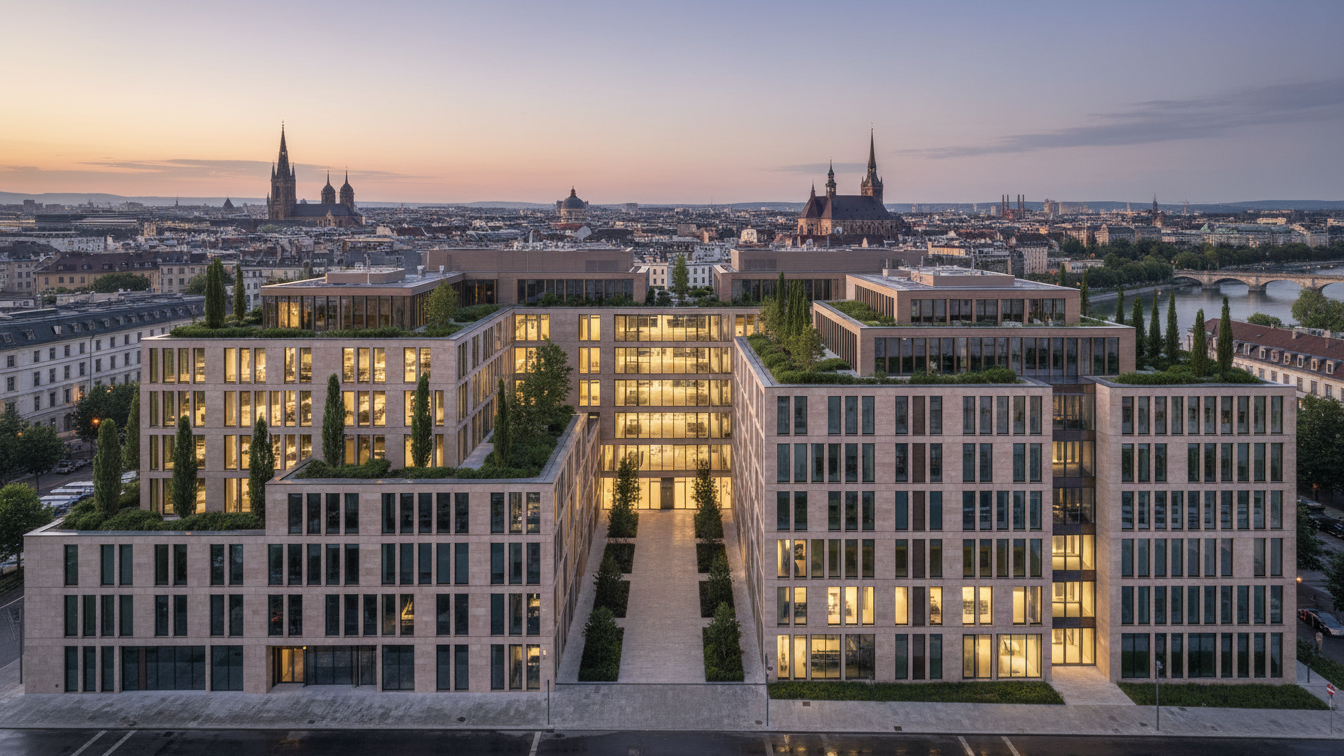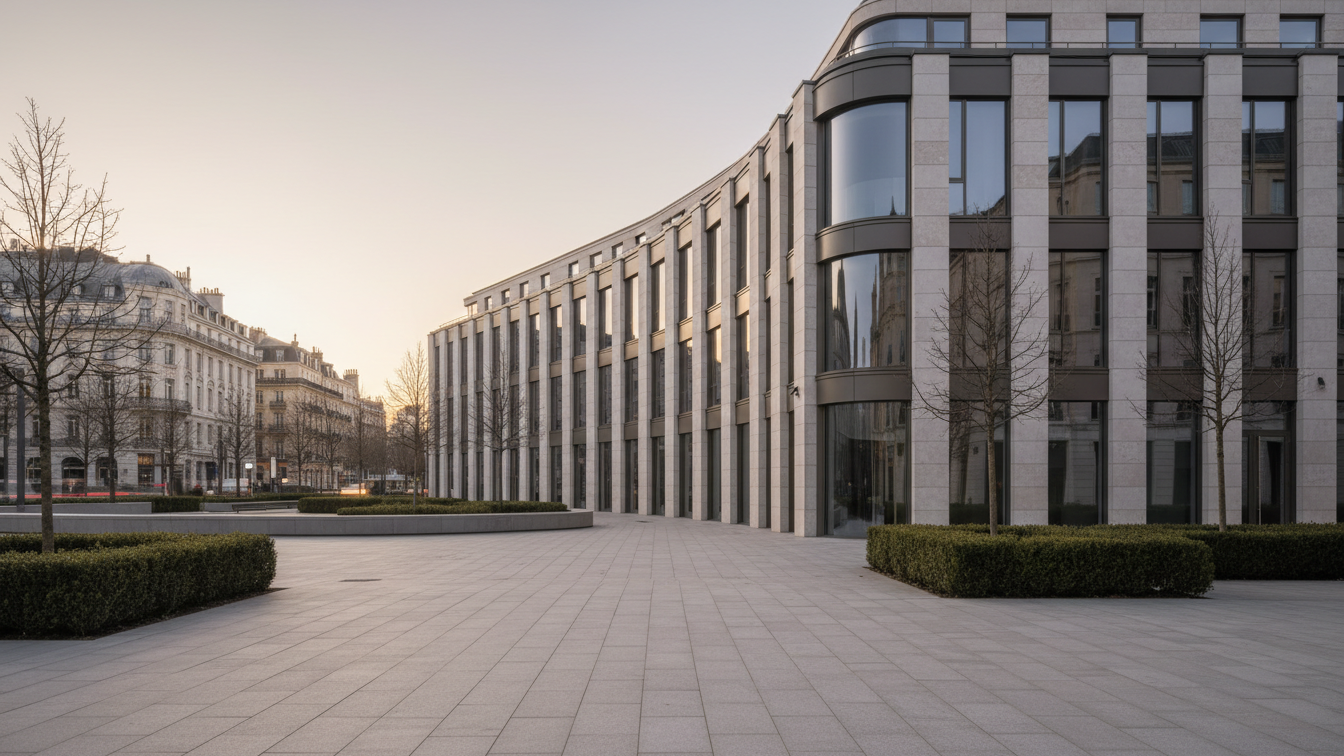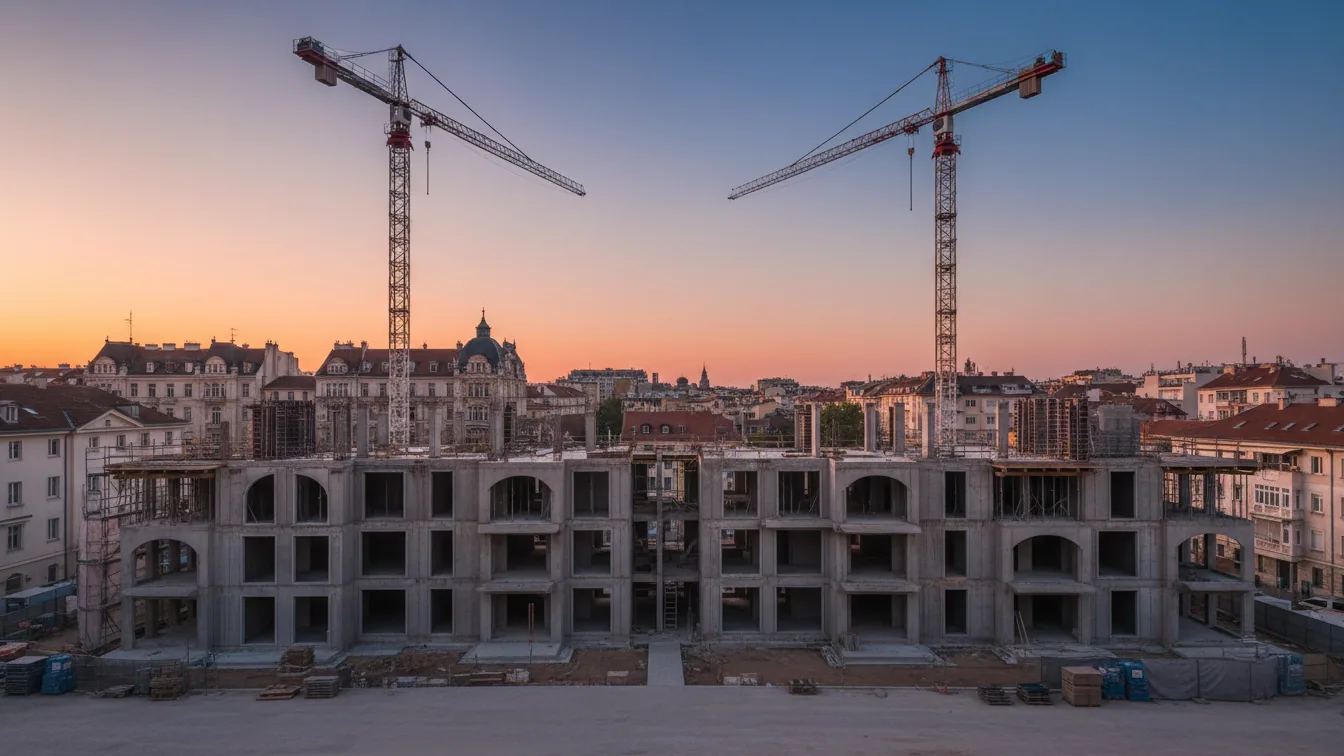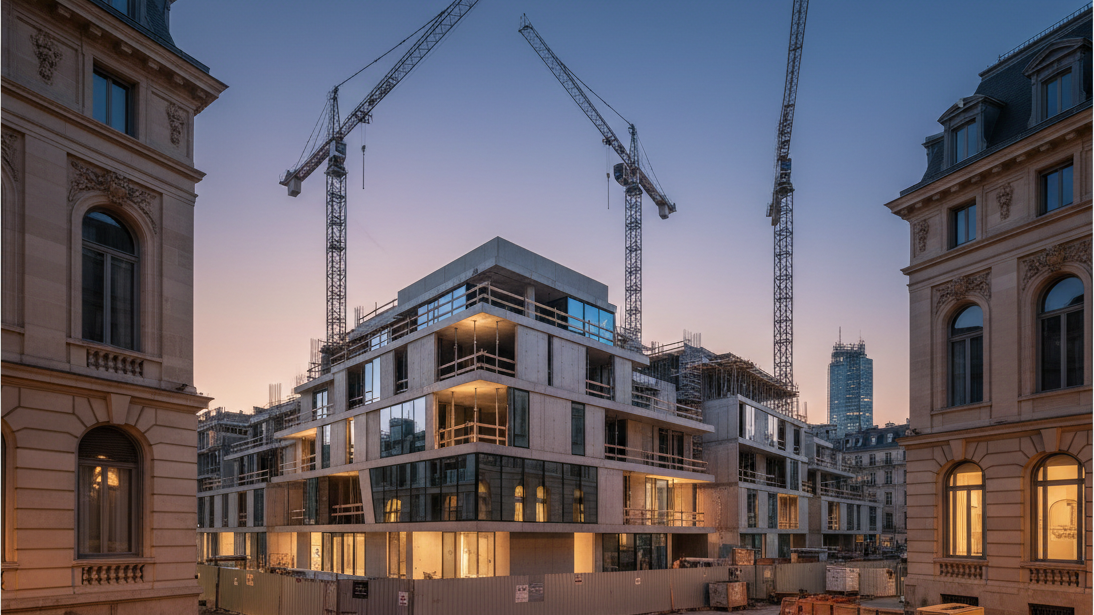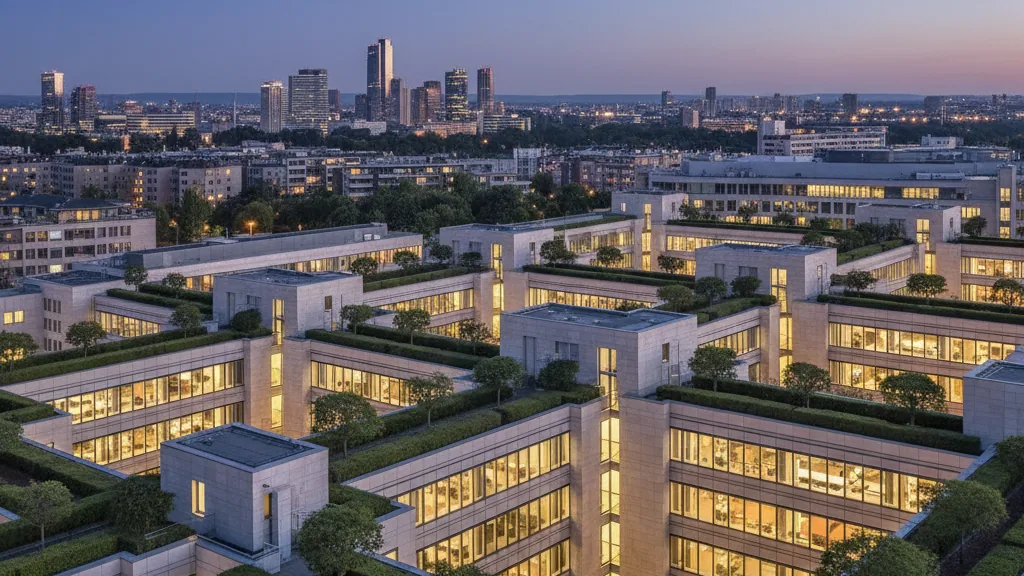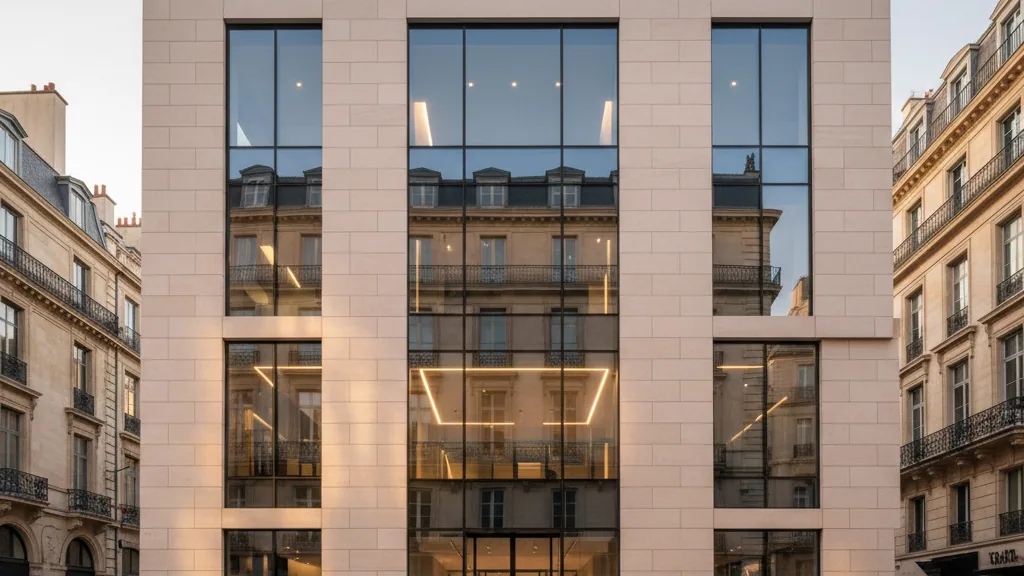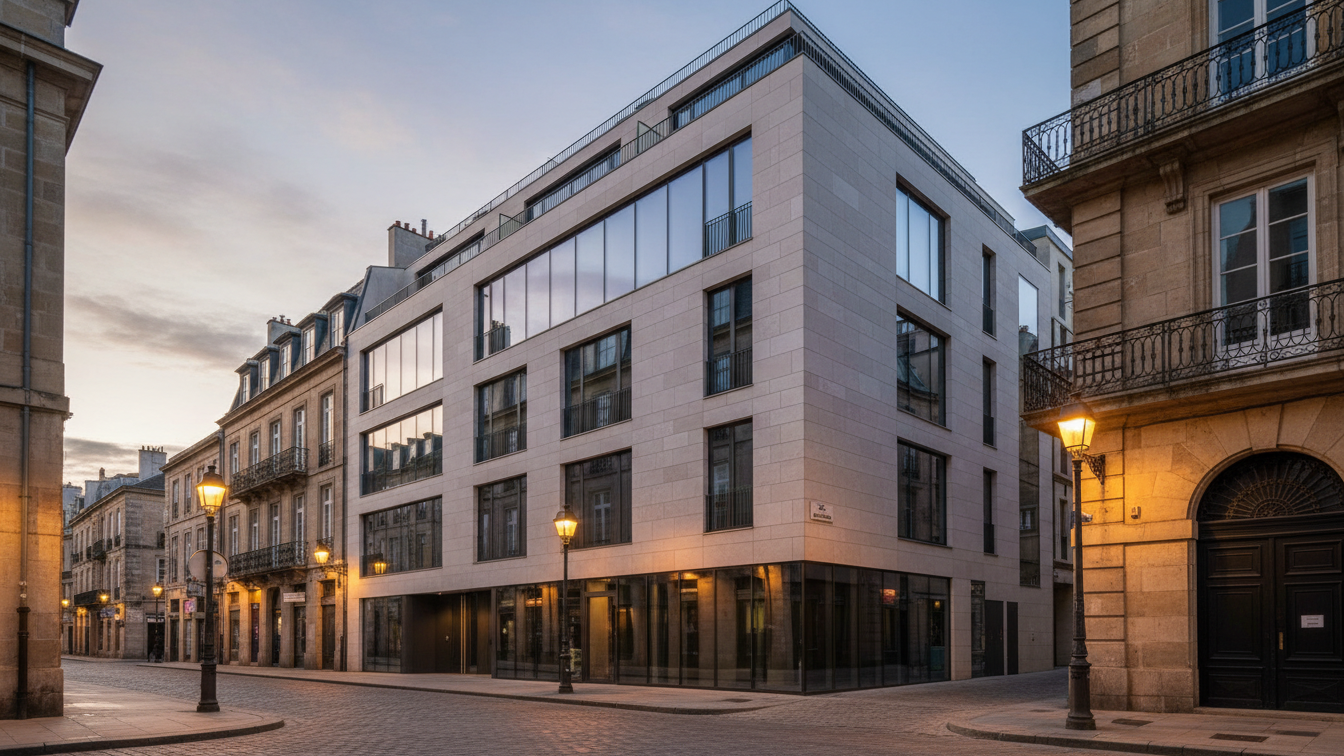
Over the past ten years, the Brooklyn property development market has been characterised by rapid growth, sharply rising property values, and a willingness to take on higher risks. Developers pursued ambitious projects with the confidence that sustained demand would absorb all new inventory. Buyers showed enthusiasm, financing was relatively cheap, and the market rewarded size as well as unique design. Today's market, however, differs significantly from that earlier situation.
Development in Brooklyn has not slowed down because people no longer want to live there. Demand for thoughtfully designed homes remains very strong. What has changed is the mindset of those who build these homes. With higher interest rates, increased construction costs, and longer approval times, the economic conditions for residential development have shifted. This does not lead to a market standstill but to a considerably more disciplined approach.
From Volume to Quality: New Development Focuses
Developers remain active in Brooklyn but have evolved and are now pursuing different strategies. One of the biggest changes is the move away from mere size. A few years ago, the goal seemed to be to maximise every available square foot. Today, astute developers are asking a different question: How do we create the best possible home within this space? Instead of chasing the biggest projects, many are focusing on more manageable opportunities. This can include renovating existing townhouses, converting two-family homes, or developing smaller boutique condominium buildings instead of massive multi-family projects.
Such projects require less capital and can usually be completed more quickly. This allows developers to focus on execution rather than volume, which is a strategy built on quality. The era in which every new development was expected to immediately achieve record-breaking prices is largely a thing of the past. Today's developers calculate projects much more conservatively. They pay closer attention to acquisition costs and realistic resale values. Instead of asking “What can we build?”, they ask “What will today's buyers actually pay?” This distinction may seem subtle, but it has changed the type of homes coming onto the market. Developers are no longer designing based on theoretical demand, but on real purchasing decisions they observe daily.
Focus on Functionality and Buyer Needs
One promising design trend is the focus on floor plans. For a long time, many projects competed by advertising overall size. However, buyers have become more sophisticated. They recognise that 2,500 square feet doesn't necessarily mean a better home if the floor plan isn't functional. Successful developments today prioritise flow. Kitchens open naturally to entertainment areas. Bedrooms offer genuine privacy. Storage space is planned from the outset, rather than added later. Finished basements are designed flexibly, rather than feeling like residual spaces. Outdoor areas become true extensions of the home and not decorative afterthoughts. This attention to floor plan reflects a broader understanding that buyers evaluate properties based on how they can live in them, not just what the floor plan states.
While new build projects continue to be an important part of Brooklyn's housing market, renovation has become more attractive for many developers. Brooklyn's historic townhouse stock offers something that is difficult to reproduce with new builds: architectural character. Original facades, stoops, oversized windows, mouldings, and proportions developed over generations continue to resonate with buyers. Renovating these homes allows developers to preserve this character while integrating modern floor plans, technical systems, and amenities. From both a financial and design perspective, repurposing often makes sense. It can reduce approval risk, shorten project timelines, and create homes with an authenticity that is hard to replicate. Many buyers appreciate the combination of historic architecture and contemporary living.
Perhaps the most significant change in today's Brooklyn development market concerns the target group for builders. A few years ago, many projects were designed with investors in mind. Rental potential, resale assumptions, and broad market acceptance often shaped development decisions. Today, many developers primarily target owner-occupiers. And these buyers evaluate homes very differently. They think about where they will celebrate birthdays, raise children, work remotely, host family gatherings, and spend holidays. They ask practical questions about storage space, laundries, mudrooms, home offices, and outdoor areas. Developers who understand these priorities consistently outperform those who continue to design solely based on financial metrics. People who buy properties for their own occupancy value quality, functionality, and durability over novelty. This influences almost every aspect of home design.
Brooklyn's development landscape will undoubtedly continue to evolve over the next few years. Financing conditions will change. Construction costs will fluctuate. New neighbourhoods will emerge, and buyer priorities will continue to adapt. However, the industry is not expected to revert to the development strategies of the past.