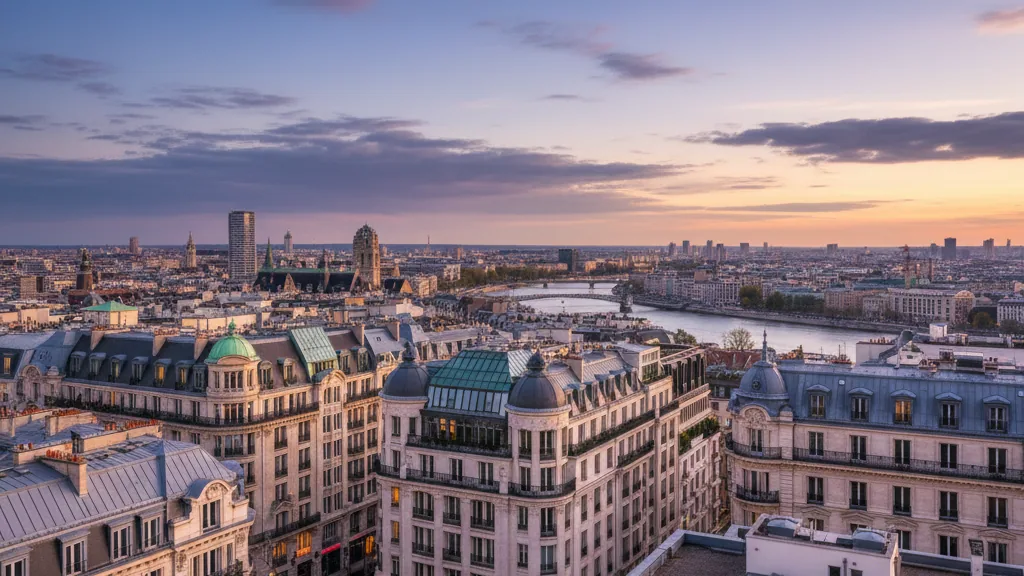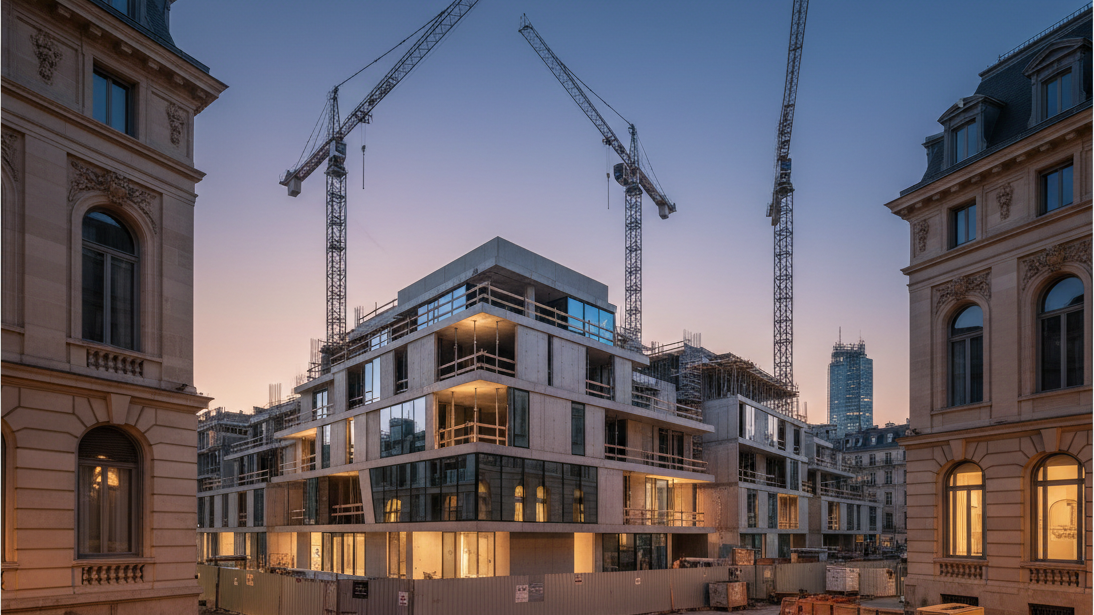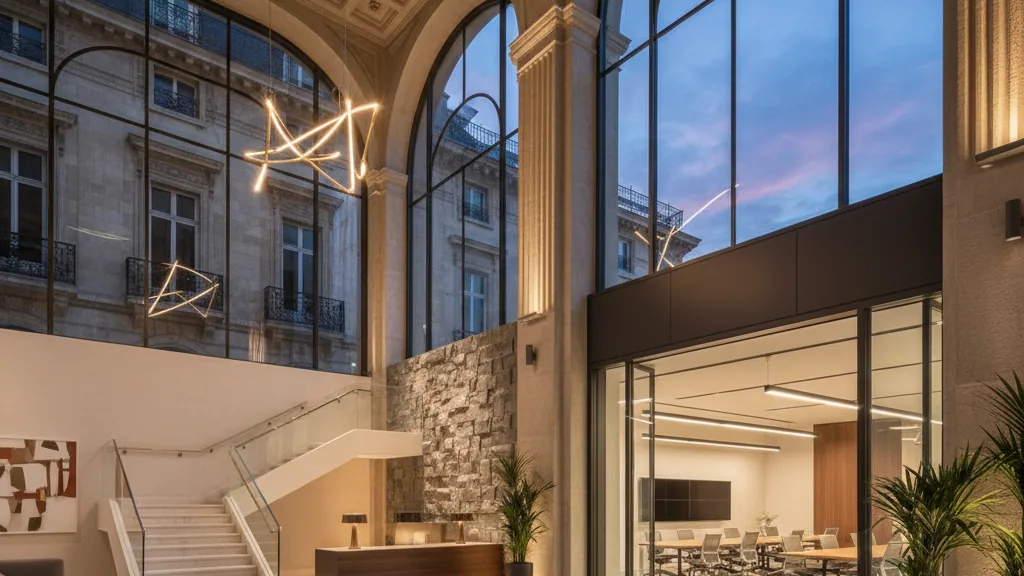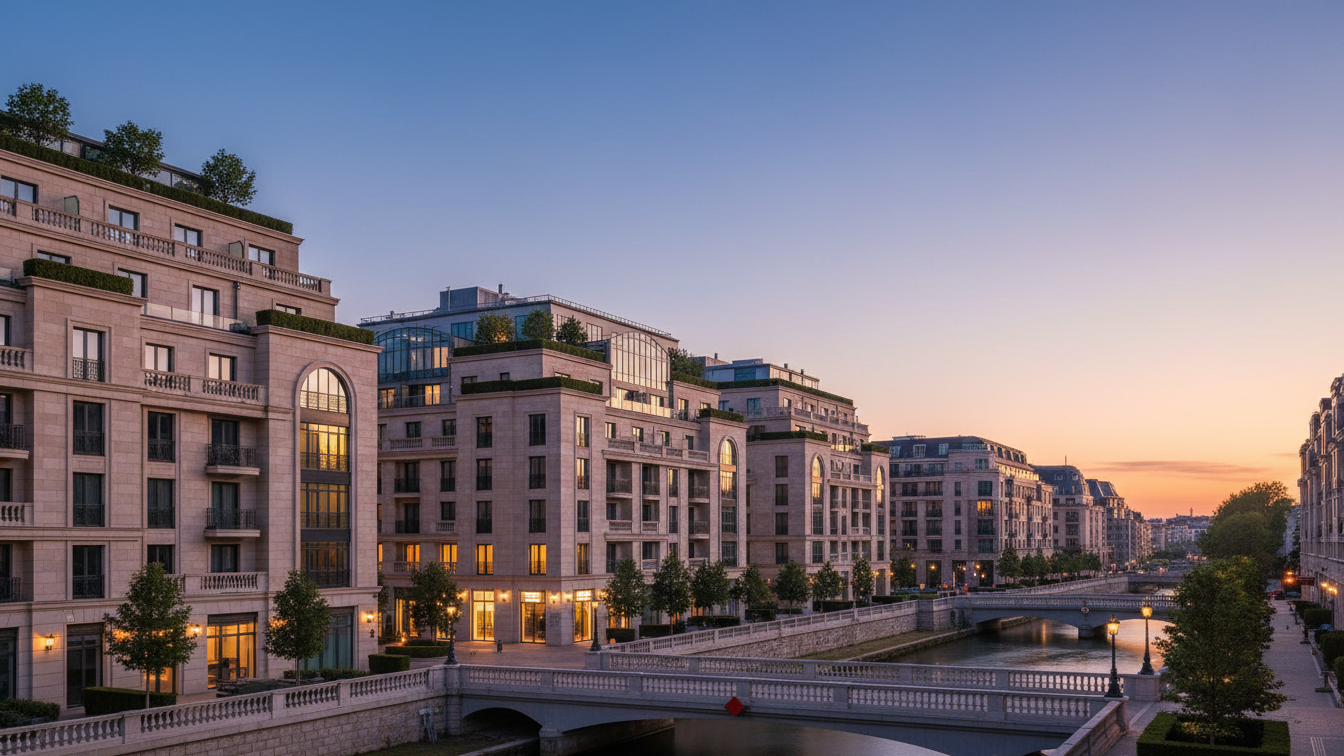
The Düsseldorf office market recorded a take-up of approximately 200,000 sqm, which, according to an analysis by BNP Paribas Real Estate, represents a solid result. This was achieved despite persistent geopolitical uncertainties and a complex economic environment. The take-up was 8% above the average of the last five years and exceeded the previous year's figure by almost 28%.
After a stable first half-year, market momentum significantly accelerated in the third quarter of 2026. Almost half of the total take-up was registered during this period. A key factor in this was the lease of approximately 37,000 sqm by the European energy company Uniper, which also ranks among the largest office leases in Düsseldorf in a long-term comparison.
The large deal segment, comprising leases over 10,000 sqm, was correspondingly strong and contributed significantly more than a quarter to the total take-up. Simultaneously, considerable market activity was also observed in smaller office spaces, with around 41% of the total attributable to areas up to 1,000 sqm. The prime rent in the Düsseldorf market area has remained at 46 EUR/sqm since Q3 2025. The average rent, however, continued its upward trend, reaching a new high of 24 EUR/sqm, which corresponds to an increase of over 4% compared to the previous quarter.
Industry Distribution and Vacancy Development
The Uniper lease led to the 'Other Services' category heading the industry distribution with an above-average 32% or approximately 63,000 sqm. In Düsseldorf, this sector primarily includes energy service providers, private educational institutions, and real estate service providers. Traditionally strong consulting firms ranked second with approximately 27%. This is due not only to a multitude of medium-sized contracts but also to the second-largest lease of the year, the approximately 17,000 sqm office space lease at Kennedydamm by KPMG. Retail companies also contributed a double-digit share to the take-up with over 16%, primarily through numerous smaller lease agreements.
The vacancy volume has remained stable for several quarters and currently stands at around 1.25 million sqm. This represents an increase of 7% compared to the previous year, but an almost sideways movement of -0.2% compared to the previous quarter. Only about 45% of the vacant spaces offer modern fittings. New build first-occupancy spaces also remain scarce, with only 7,000 sqm available in the preferred city centre locations. The vacancy rate is currently 12.4% in the market area and 9.4% in the city area.
Outlook and Perspectives
The Düsseldorf office market achieved a solid result in the first three quarters of 2026 despite adverse conditions. The strong third quarter was crucial for this. An improved starting position is also expected for the final quarter. Recent adjustments to GDP growth forecasts by leading German economic institutes and positive developments in leading indicators such as the Ifo Business Climate Index could provide new impetus for space demand. Existing large search enquiries support the expectation of a positive development in the coming months. A year-end result between 250,000 and 300,000 sqm appears realistic under these circumstances.
On the supply side, a stable, or at most slightly increasing, development of vacancies is emerging. At the same time, there continues to be high demand for modern new build spaces, especially in central and attractive locations. However, supply there is limited. Philip Bellenbaum, Head of BNP Paribas Real Estate GmbH in Düsseldorf, points out that early leases of prime spaces, such as Taylor Wessing's decision for Benrather Karree for occupancy at the end of 2028, reduce the supply early on. This underlines that high-quality office spaces in good inner-city locations continue to be absorbed quickly.