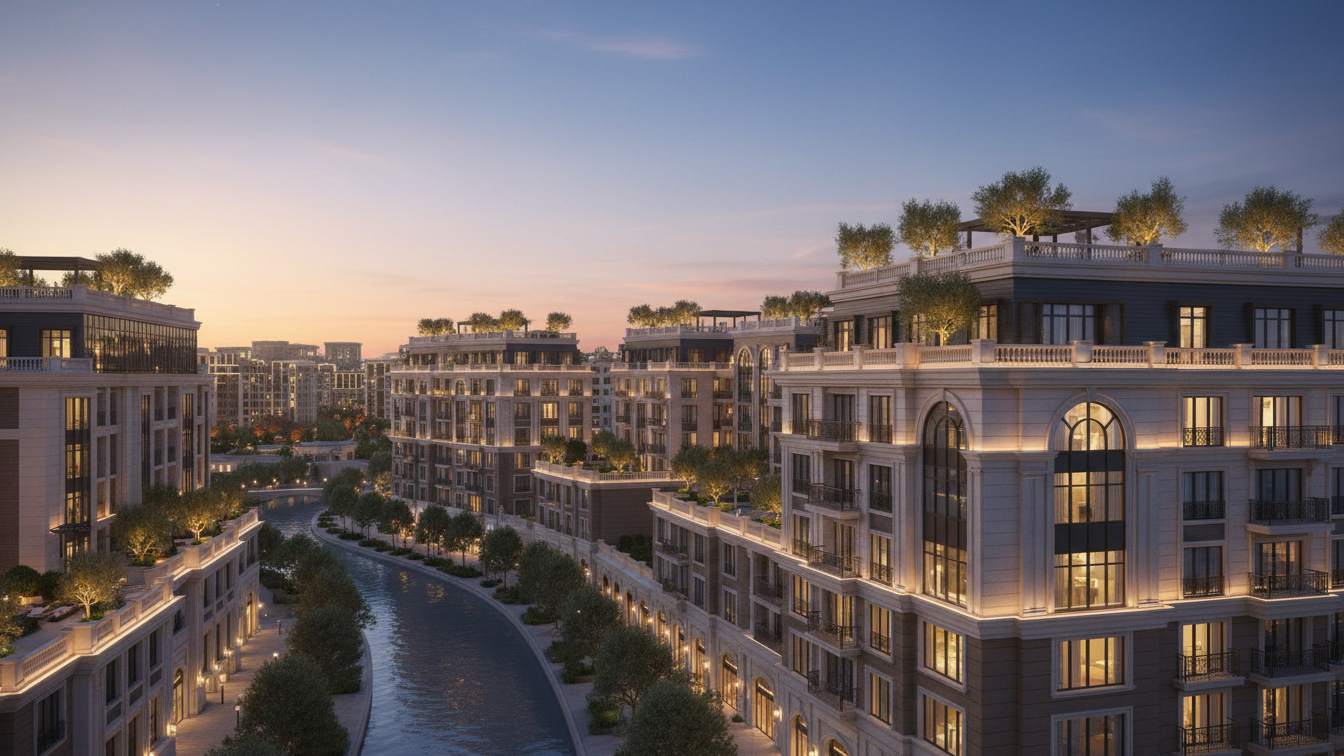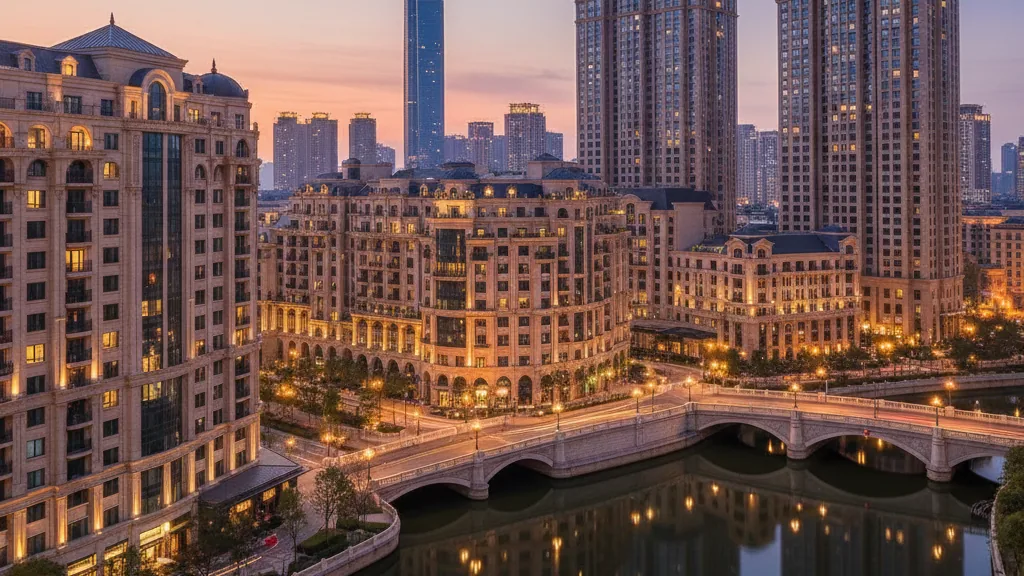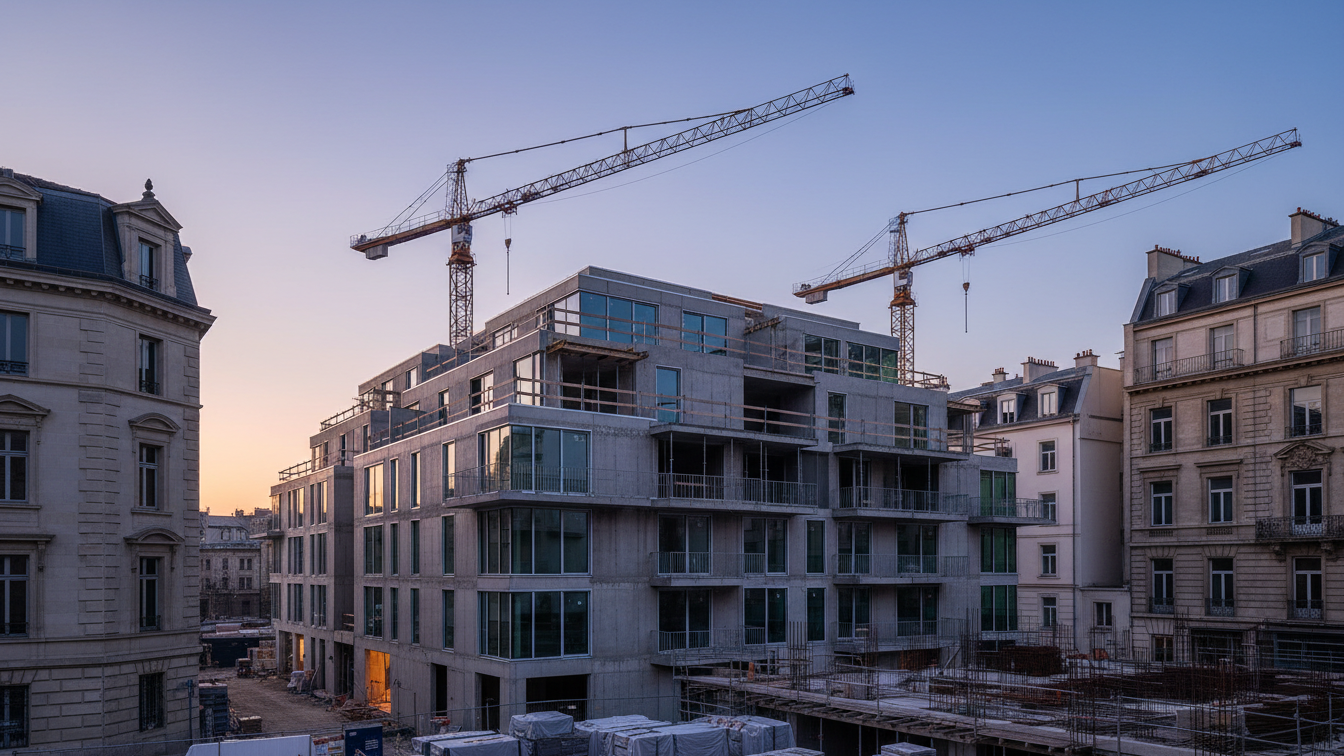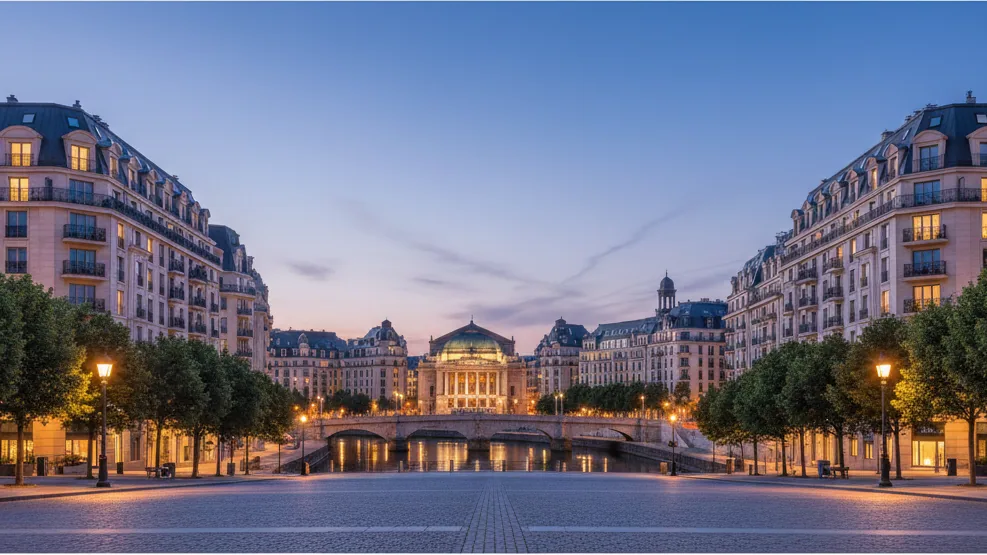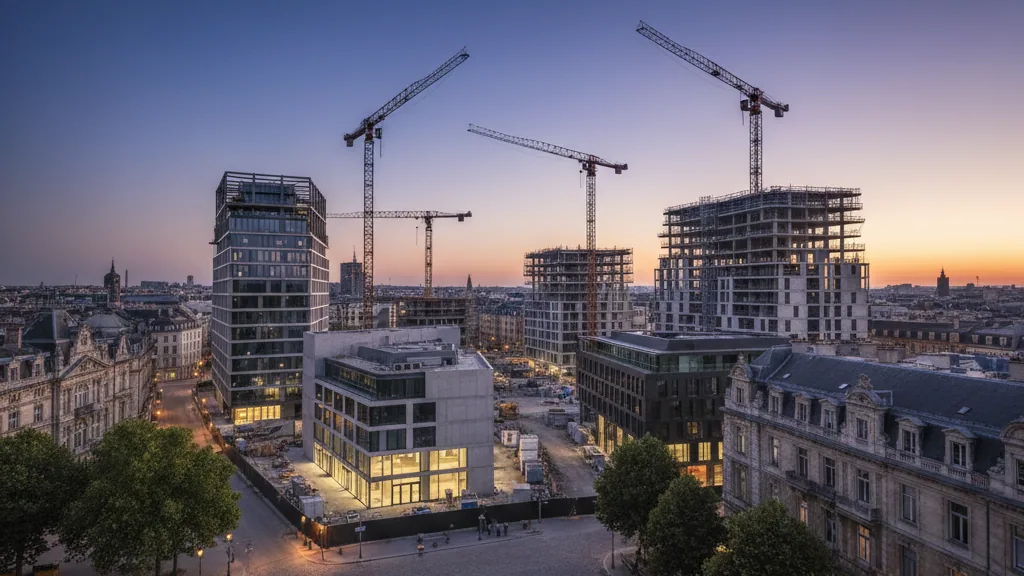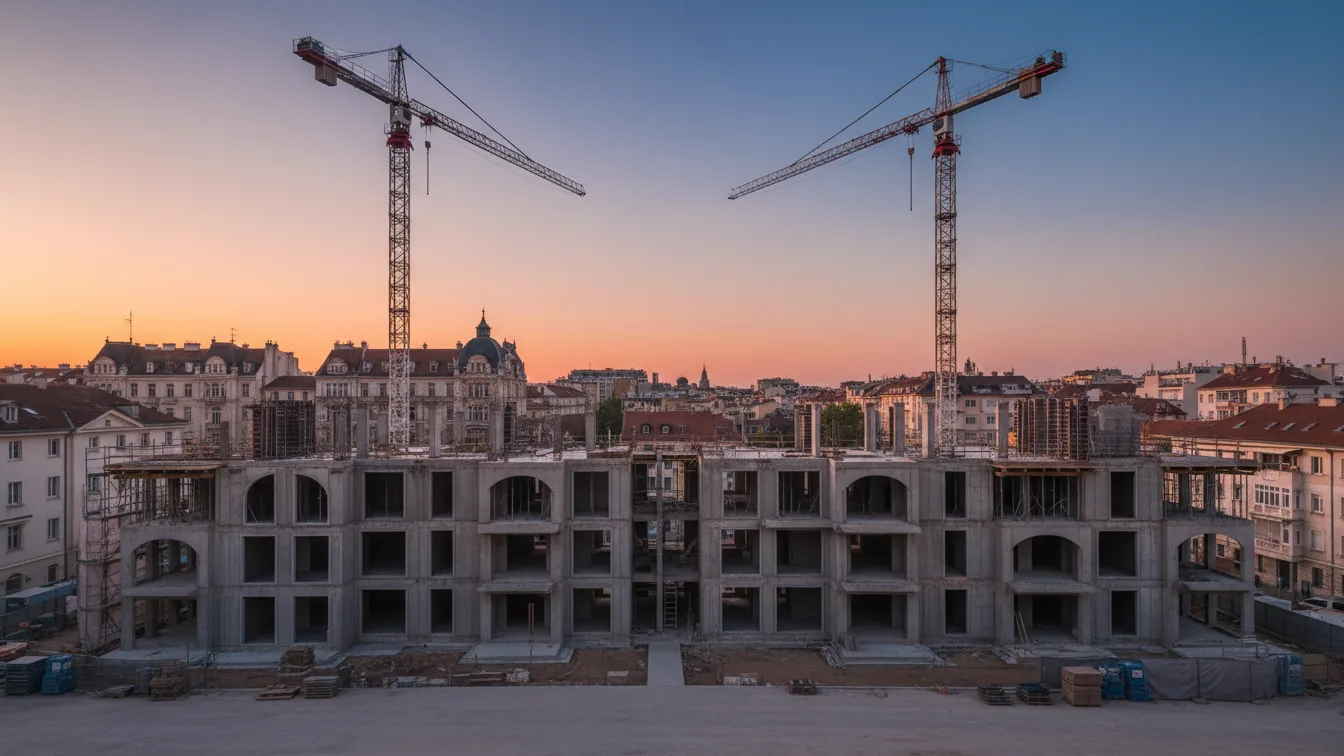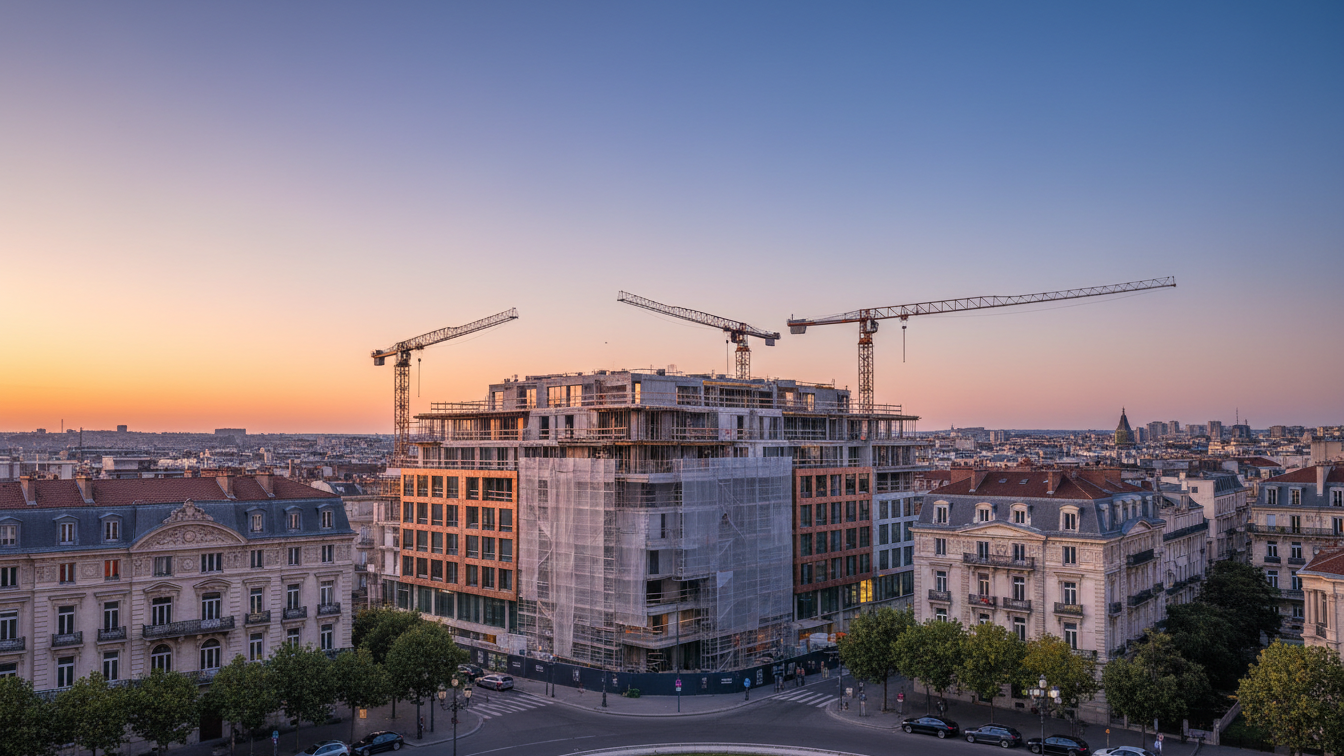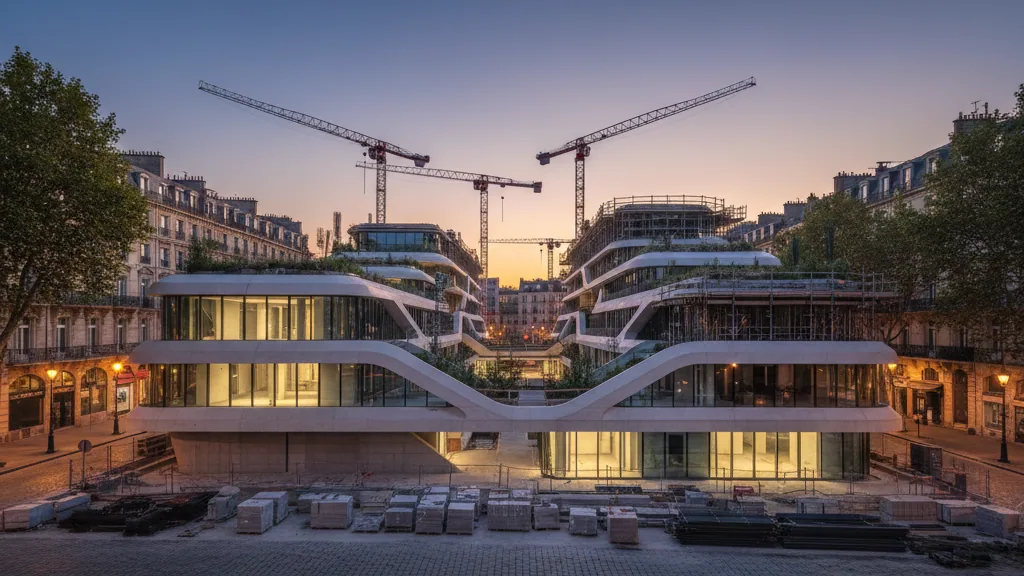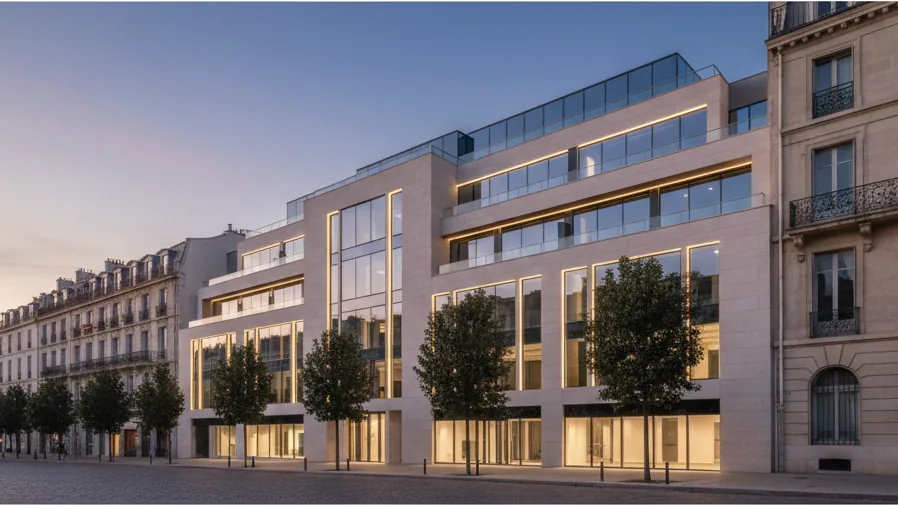
For three decades, the New York family-owned business F&T Group has shaped the urban development of Downtown Flushing in the borough of Queens. To mark the company's thirty-year anniversary, ground was broken for the second construction phase of the large-scale mixed-use scheme Flushing Commons, which encompasses a gross floor area of around 600,000 square feet. Helen Lee, Executive Vice President and Principal of the company, is continuing the long-term development strategy established by the founding generation.
F&T Group's roots trace back to the early 1980s, when the Lee family emigrated from Taiwan to Queens. What initially began as a pure construction business under Michael Lee expanded into a full-fledged property development firm in 1996 alongside partner Sunny Chiu. Helen Lee joined the company in 2014 following roles in the financial sector and earning a master's degree in real estate economics from the Harvard Graduate School of Design.
Mix of uses and expansion of Flushing Commons
Following the completion of the first phase of Flushing Commons with around 660,000 gross square feet in 2017, the newly commenced second construction phase adds decisive functional elements to the neighbourhood. Plans include 156 residential units, 100,000 square feet of office condominium space, a new YMCA facility, and 148,000 square feet of retail space.
The design of open spaces plays a central role in the scheme. The centrepiece of the current construction phase is a 1.3-acre public park designed by New York landscape architecture studio Future Green. The grounds are intended to feature an amphitheatre, water installations, and recreational areas to address the shortage of green space in central Flushing. Lee stresses that open spaces should not be assessed in isolation by their yield per square metre, but rather act as an identity-forming focal point that attracts visitors and increases dwell time throughout the entire district.
International inspiration for local retail
The company's development work in Downtown Flushing began in the 1990s with residential buildings such as Colden Garden, before F&T systematically consolidated plots. With the Queens Crossing project, the firm delivered the first Class A office building in the neighbourhood, meeting strong demand for medical and commercial practices. Subsequent major schemes such as One Fulton Square and Tangram consolidated this positioning.
For the retail spaces, Lee draws deliberately on concepts from Asian metropolises. There, shopping centres function primarily as social meeting points, so-called third places, where families spend time, dine, and attend events rather than merely running errands. Given that Flushing is characterised by a strong Asian demographic and an international profile, the company views this user-oriented adaptation as the key to revitalising retail sustainably.