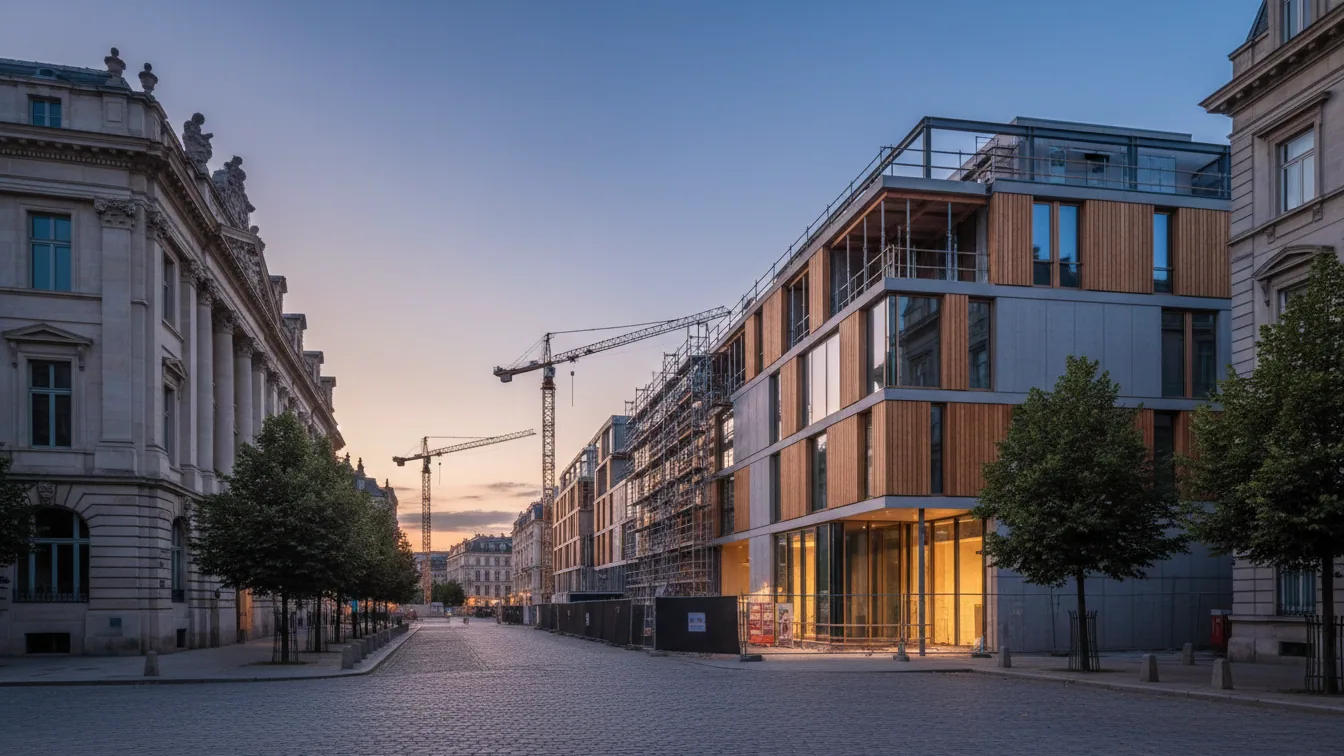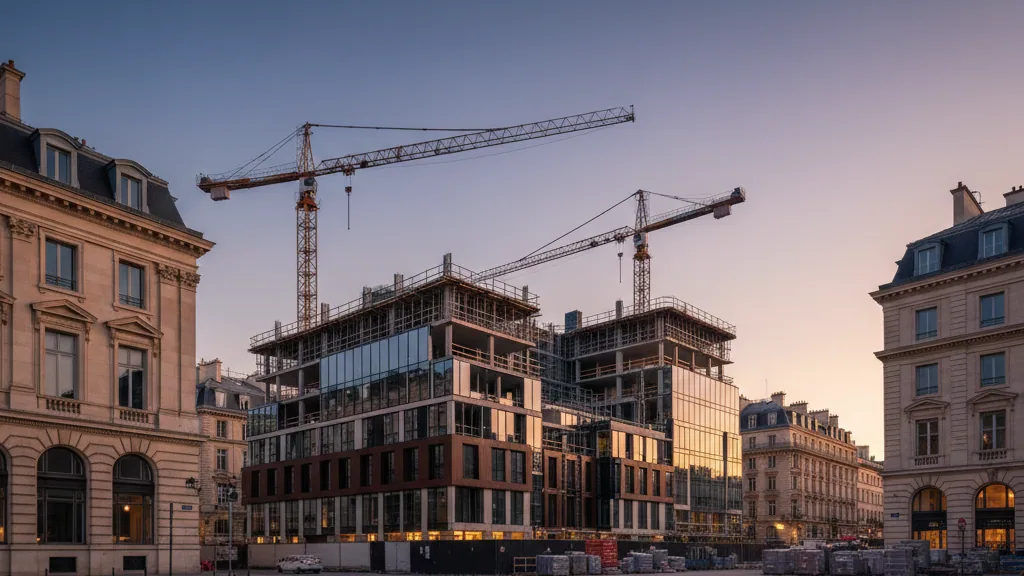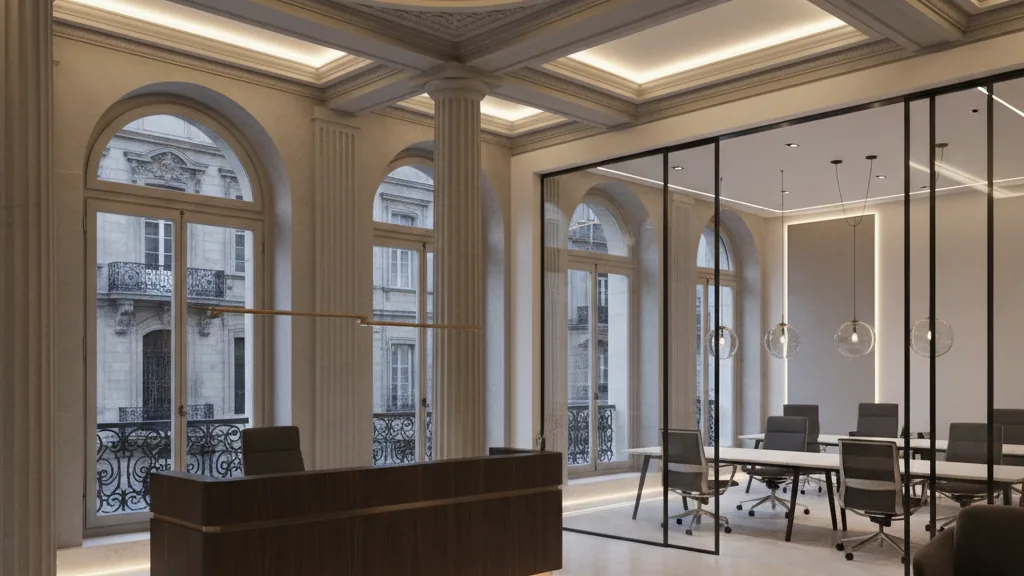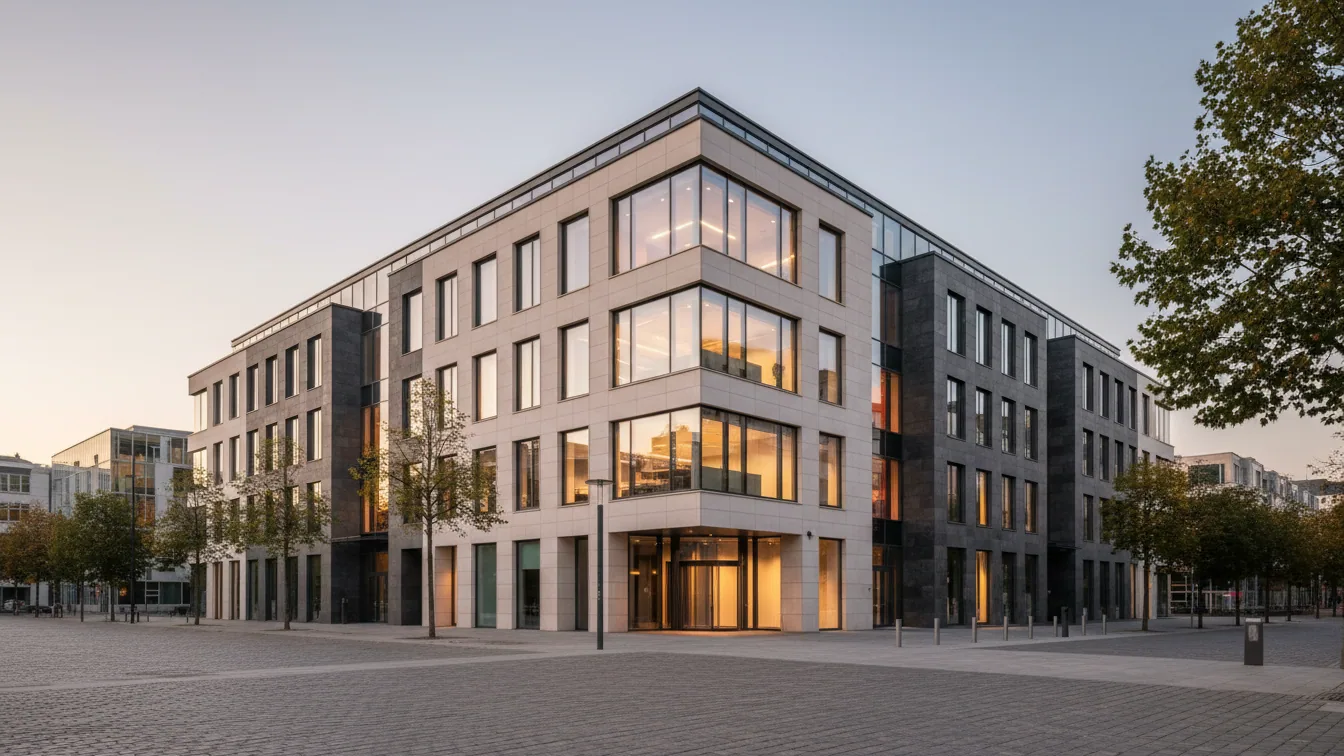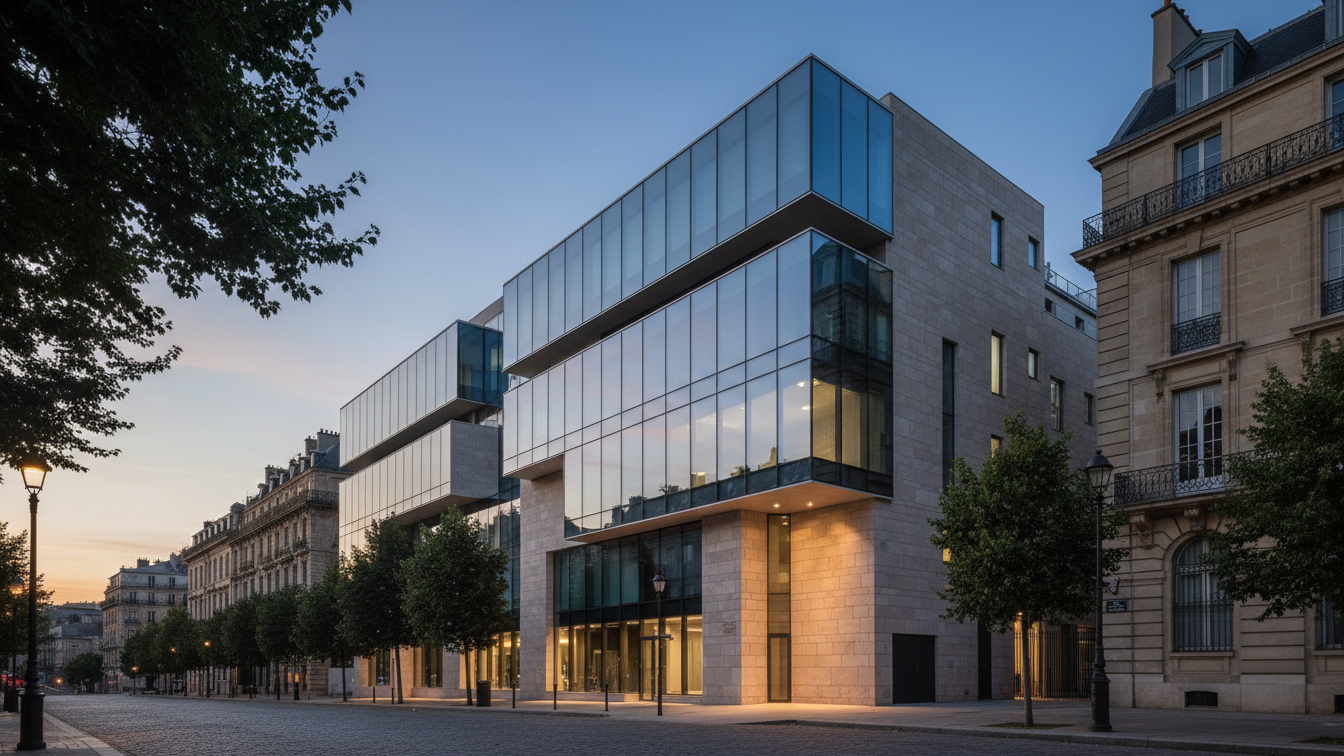
The recently published Greyfield Index 2026 illustrates for the first time, based on data, that construction within the existing stock represents the dominant form of construction in a growing number of German federal states. Redevelopment, repurposing, and revitalisation are thus manifesting themselves as decisive factors in construction activity nationwide. Timm Sassen, founder and owner of the Greyfield Group, states that the existing stock has become the norm in many regions, no longer the exception. He emphasises that the index reveals a noticeable industry development: the future of construction is based on what already exists. Redevelopment, repurposing, extension, additional storeys, and revitalisation are continuously gaining relevance and developing into the central driver of construction activity in Germany.
According to the latest evaluations of the Greyfield Index, the nationwide index value stands at just under 80 points. This means that approximately 44 percent of all construction activities already relate to the existing stock. A significant development is particularly observable at the level of the federal states. In Bremen, Hesse, North Rhine-Westphalia (NRW), Saarland, and Thuringia, the proportion of construction activities within the existing stock segment already exceeds new build. Here, the existing stock shapes construction events. The regional differences further visualise the degree of transformation. Where land is limited, city centres are dense, existing buildings are older, and transformation pressure is high, construction within the existing stock gains importance. Brandenburg, Hamburg, and Mecklenburg-Vorpommern form the trailing states in the comparison.
Regional Shifts and Political Challenges
In North Rhine-Westphalia, the most populous federal state, a pronounced shift within large cities is evident. Existing stock measures there are already significantly more extensive than new build projects. For example, in Düsseldorf and Bochum, over two-thirds of all construction activities take place within the existing stock. The trend already observed in the previous year thus continues, and the existing stock is increasingly establishing itself as an anchor of stability for the construction and real estate industry.
Timm Sassen states that the central question is no longer the relevance of the existing stock, but the speed of response from politics, funding structures, building regulations, and financing. Anyone who wants to create housing, reduce CO₂, and minimise land consumption must consistently make the existing stock the primary option. This requires simplified standards, adequate funding conditions, and the support of cities and municipalities. The Greyfield Index makes it clear that the existing framework conditions in many areas are still geared towards new build. Funding programmes, approval processes, norms, and public debate often follow this logic, even though construction activity is increasingly taking place within the existing stock.
Transparency through the Greyfield Index
The Greyfield Index serves as a transparency instrument. It shows where redevelopment is taking place in Germany, where the existing stock surpasses new build, and where political and economic framework conditions need to be adjusted. The Greyfield Group collects and updates the index annually. The methodology relates building permits and building completions within the existing stock to the corresponding new build figures. This quantifies the impact of redevelopment, repurposing, extension, additional storeys, and revitalisation on the construction and real estate industry. The index thus provides a data-supported basis for politics, municipalities, investors, property owners, and the construction industry. The overarching goal is not just to describe the transformation from new build to existing stock, but to make it measurable.