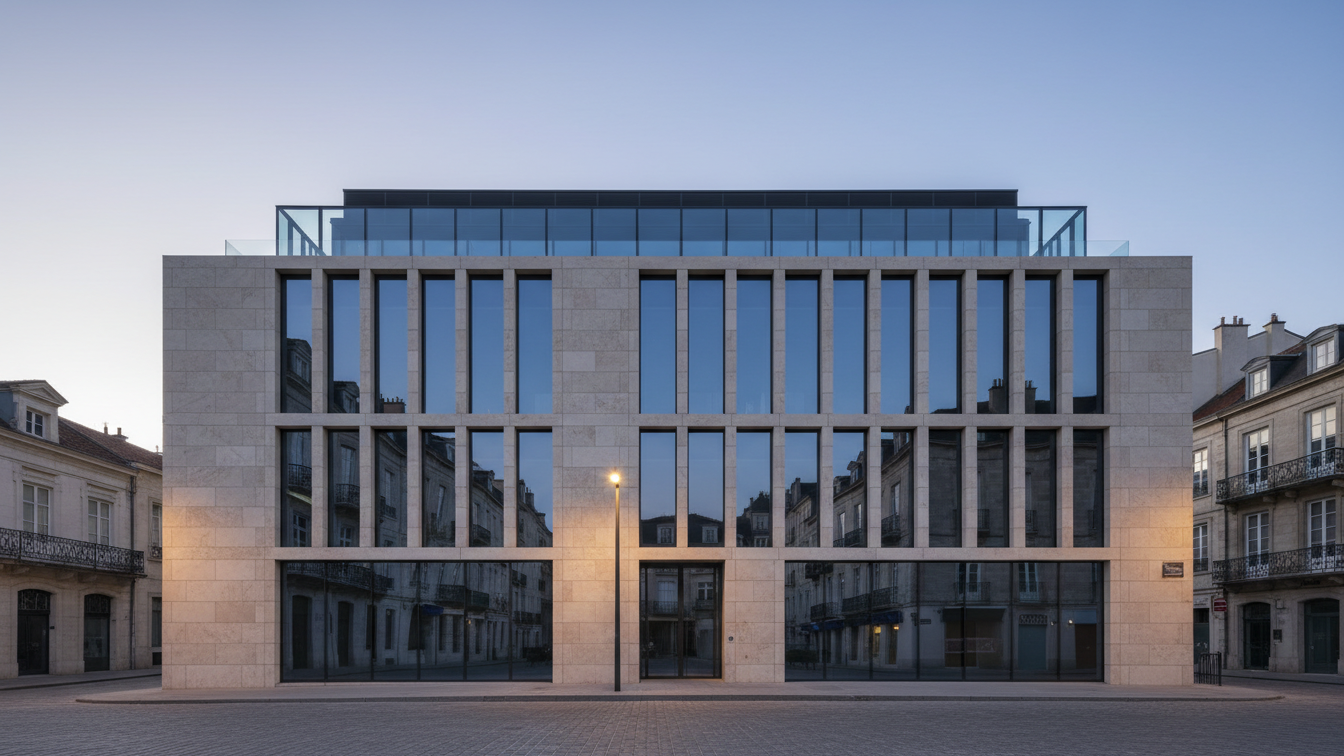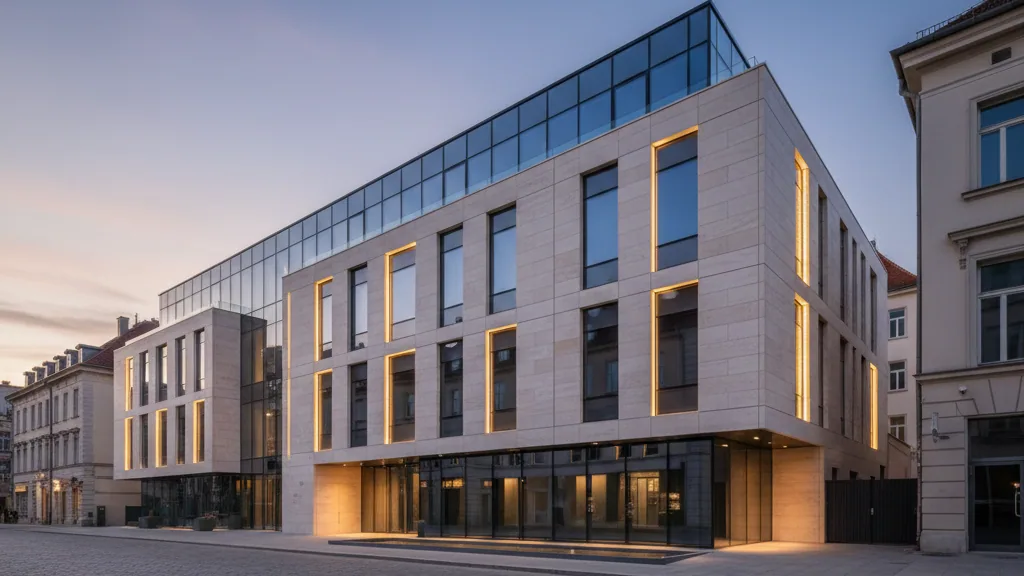

The development of a new HOGA Campus is planned for Berlin-Tempelhof. This project aims to create a central training and innovation hub for the hospitality sector in the German capital. The concept for the campus was presented by several stakeholders, including Franziska Giffey, Senator for Economic Affairs, Energy and Public Enterprises, Katharina Günther-Wünsch, Senator for Education, Youth and Family, and Wolfgang Schyrocki, State Secretary for Finance. Jörn Oltmann, District Mayor of Tempelhof-Schöneberg, and Gerrit Buchhorn, CEO of DEHOGA Berlin and board member of HOGA Campus Berlin eG, were also involved in the presentation.
The planned site covers an area of approximately 34,000 square metres in the Attilastraße and Röblingstraße area. A specially founded cooperative, consisting of DEHOGA Berlin and nine other members, will be responsible for the development and operation of the campus. The goal is to consolidate training, further education, practical experience and professional exchange in one central location to meet the demand for qualified skilled workers in gastronomy, hospitality and tourism in Berlin and to retain them in the region in the long term.
Comprehensive Usage Concept
The current concept envisions a multi-faceted use of the campus grounds. In addition to a senior secondary school specifically for the hospitality sector, a training hotel and vocational and university courses are planned. Furthermore, areas for professional development and further training, as well as an association and innovation centre, will be created. This diversity is intended to offer a comprehensive educational and networking platform.
- —Senior secondary school for the hospitality sector
- —Training hotel
- —Vocational and university courses
- —Areas for professional development and further training
- —Association and innovation centre
- —Accommodation options for apprentices
- —Spaces for founders to test gastronomic concepts
In the long term, over 3,000 apprentices and students will be able to learn and qualify at the HOGA Campus. Additionally, 500 to 600 jobs are envisaged at the site. The State of Berlin supports the project by acquiring the land and subsequently making it available to the cooperative under a building lease agreement. This creates the necessary conditions for a long-term educational and innovation hub for Berlin's hospitality sector.
Strategic Importance and Political Support
Franziska Giffey emphasised the importance of tourism as a key economic factor for Berlin, generating an annual turnover of EUR 8.4 billion and securing around 225,000 jobs. She stressed the necessity of well-trained skilled workers for the future viability of the industry and described the HOGA Campus as a future project for Berlin. The campus is expected to have the potential to become a leading training institution in Germany and Europe. Katharina Günther-Wünsch underlined the importance of the campus for the career orientation of young people and the securing of skilled workers for Berlin.
Wolfgang Schyrocki, State Secretary for Finance, explained the cooperation between the public sector and private initiative. The State of Berlin creates the conditions through a strategic property policy, while the industry takes responsibility and invests. Gerrit Buchhorn of DEHOGA Berlin emphasised that the campus goes beyond a classic educational institution and will promote networking and knowledge exchange. An important component is also affordable accommodation for apprentices, to attract young people to a professional future in Berlin. The campus in Tempelhof is intended to be groundbreaking nationwide, connecting education, economy, innovation, and social participation to strengthen Berlin's competitiveness.