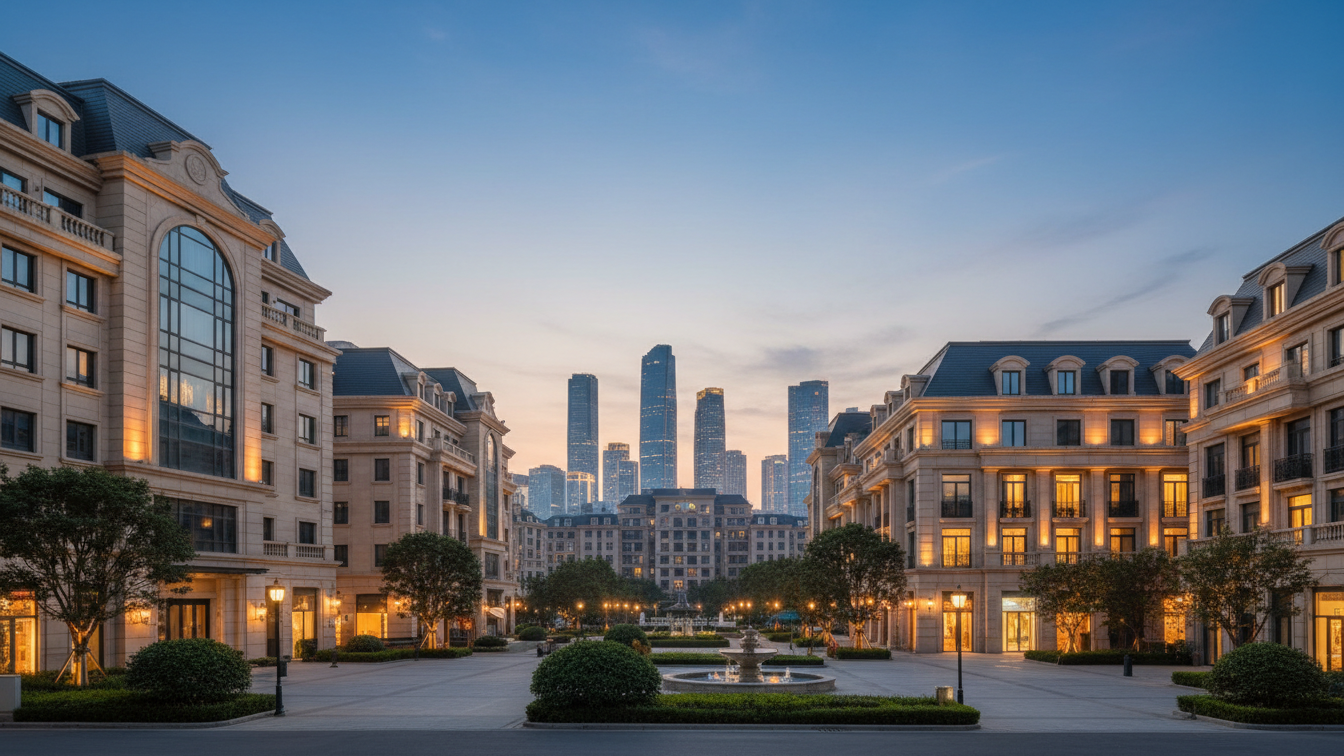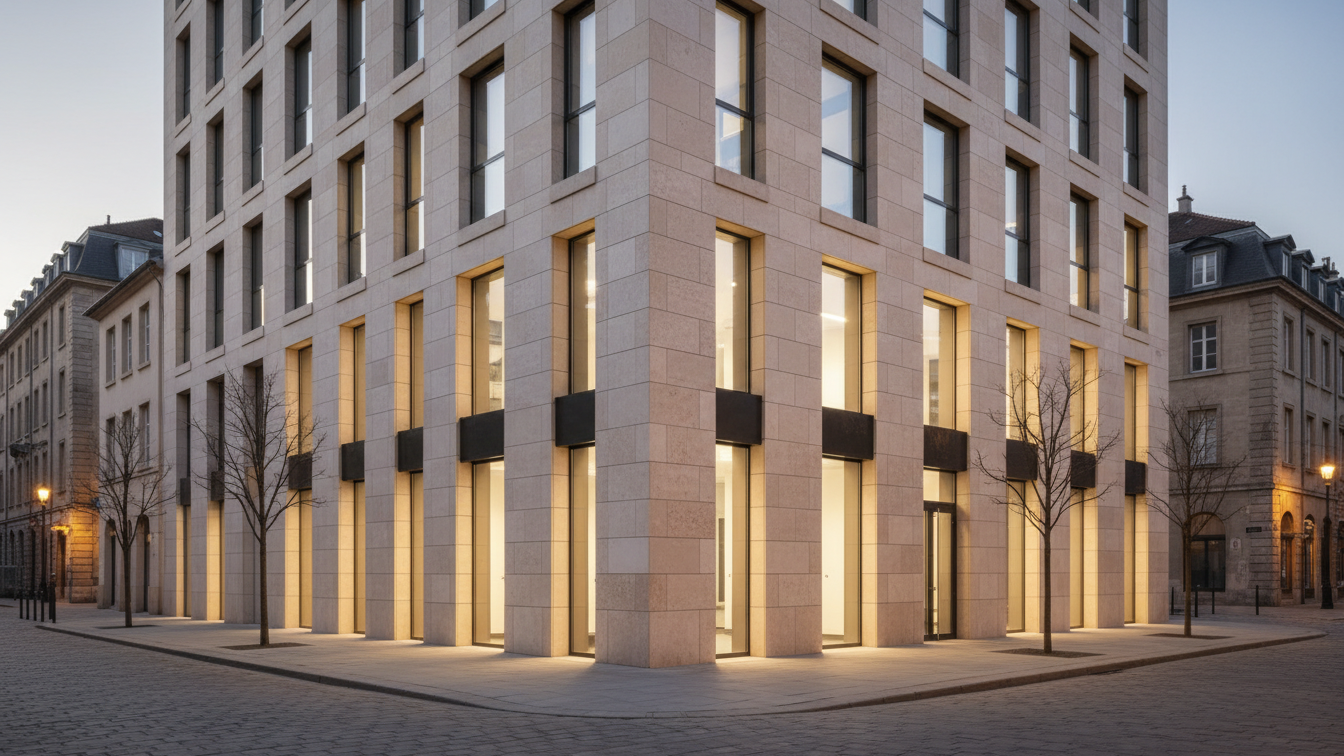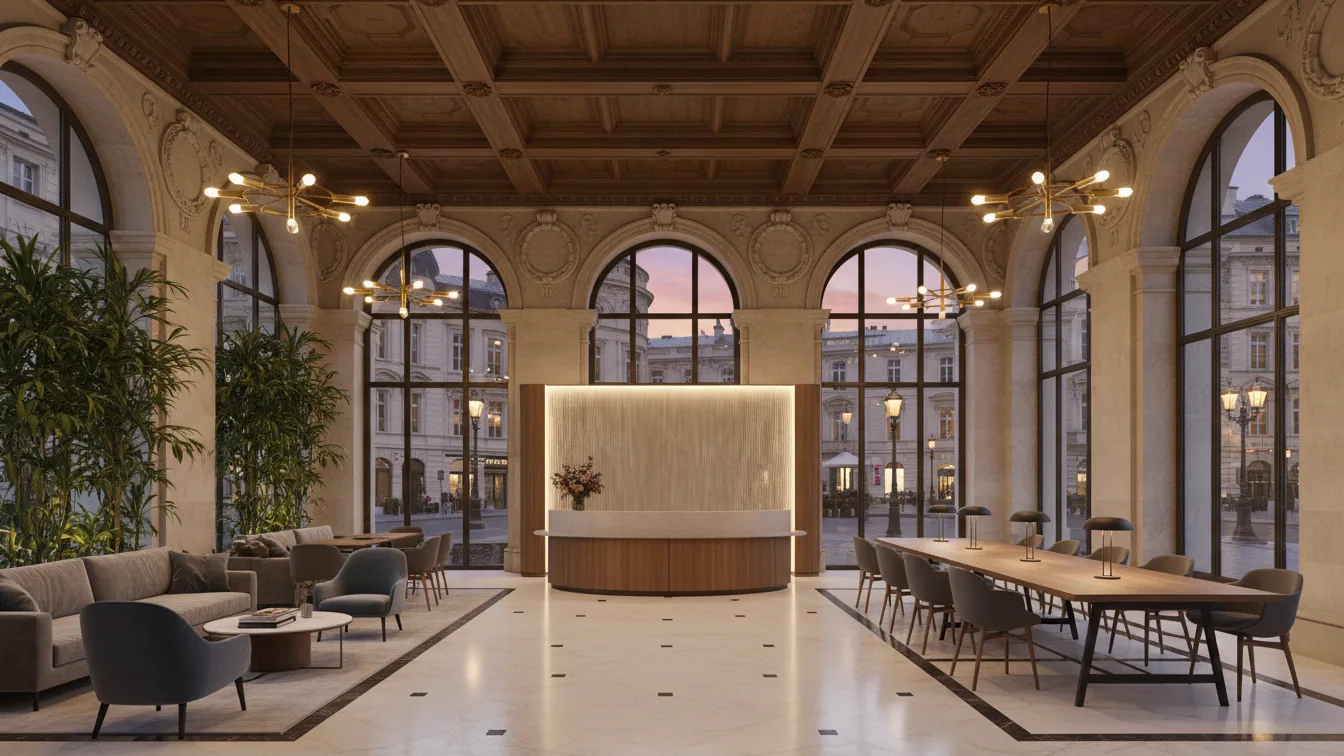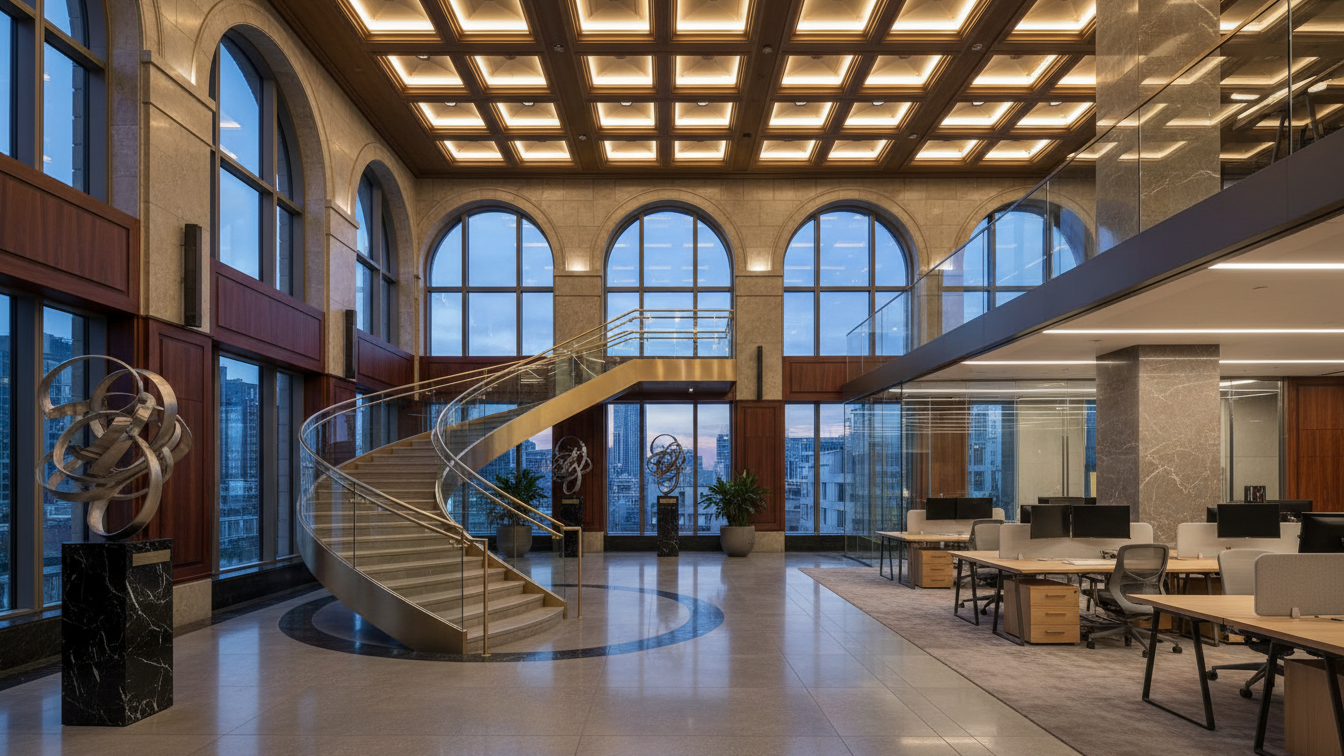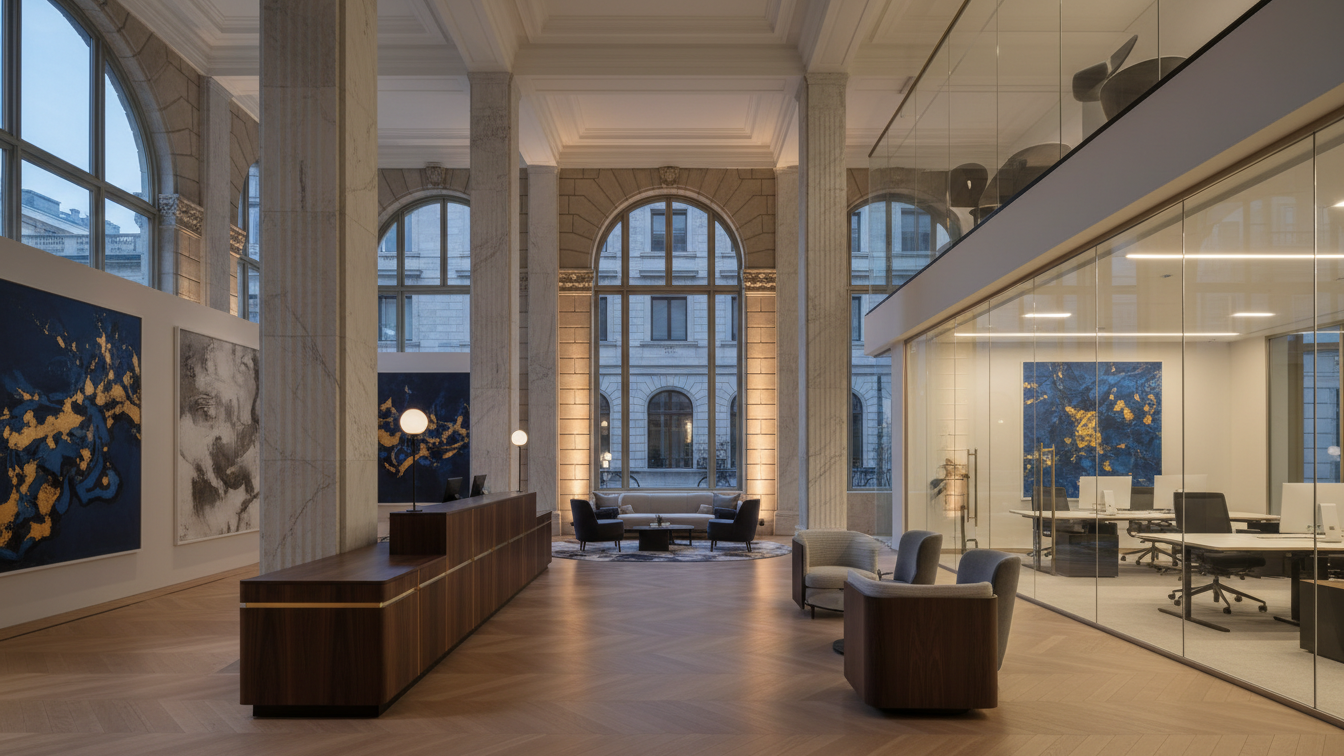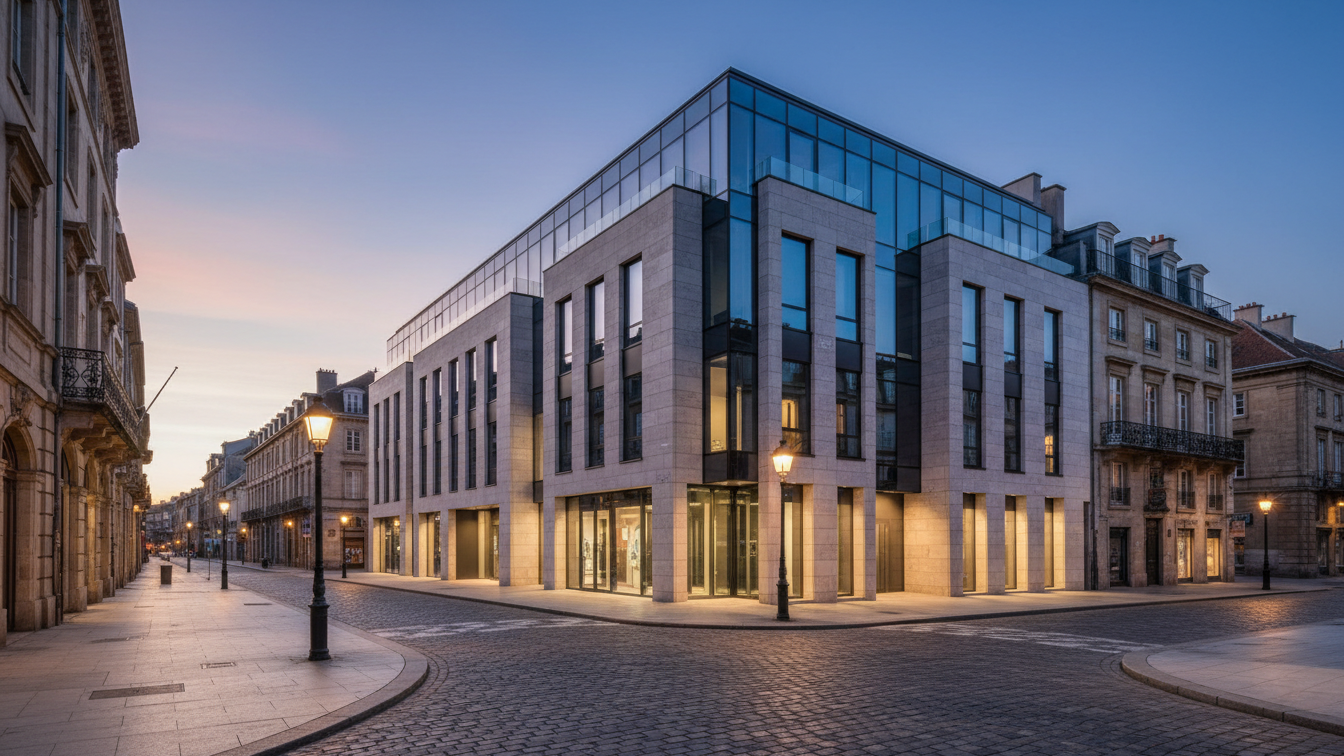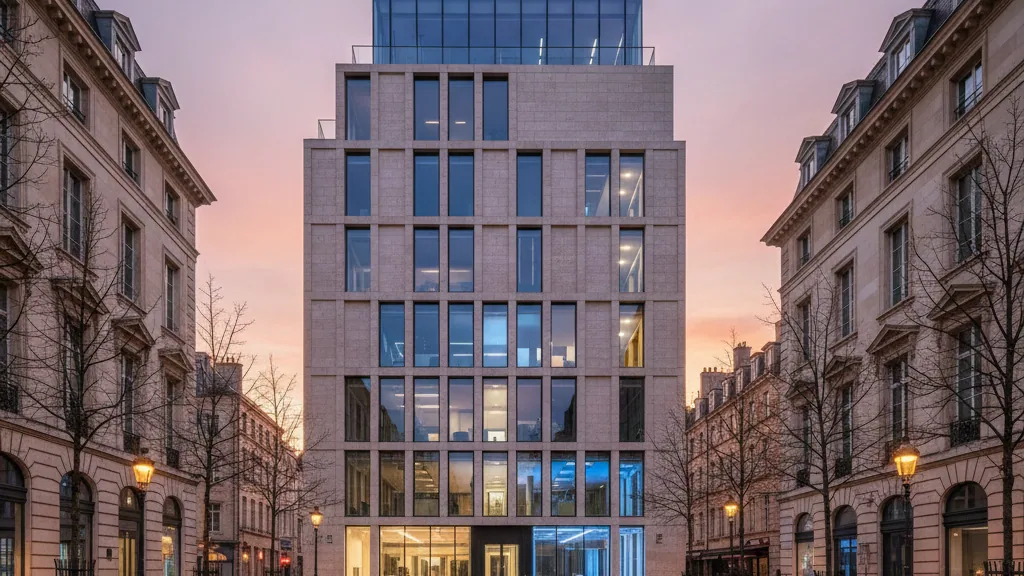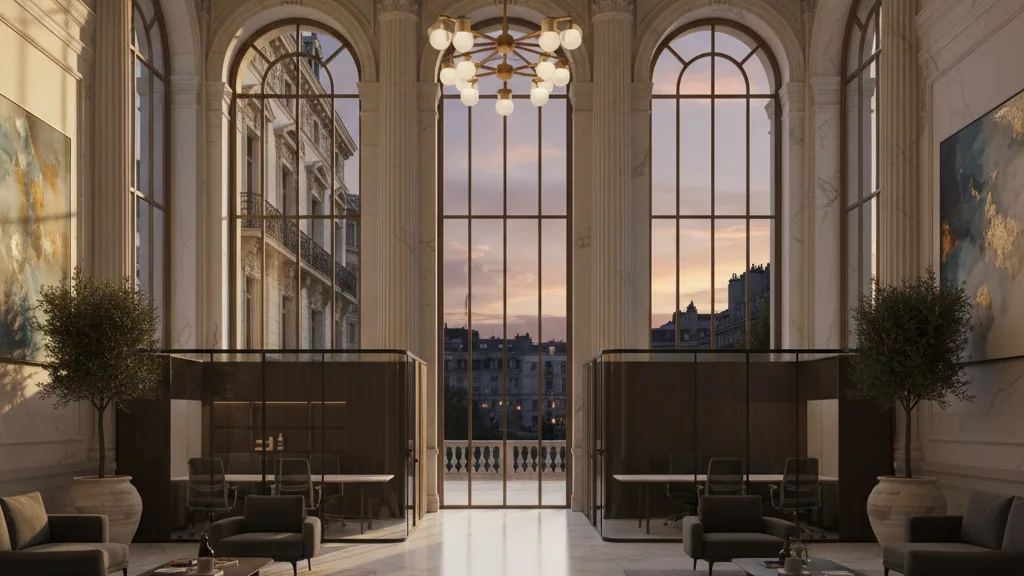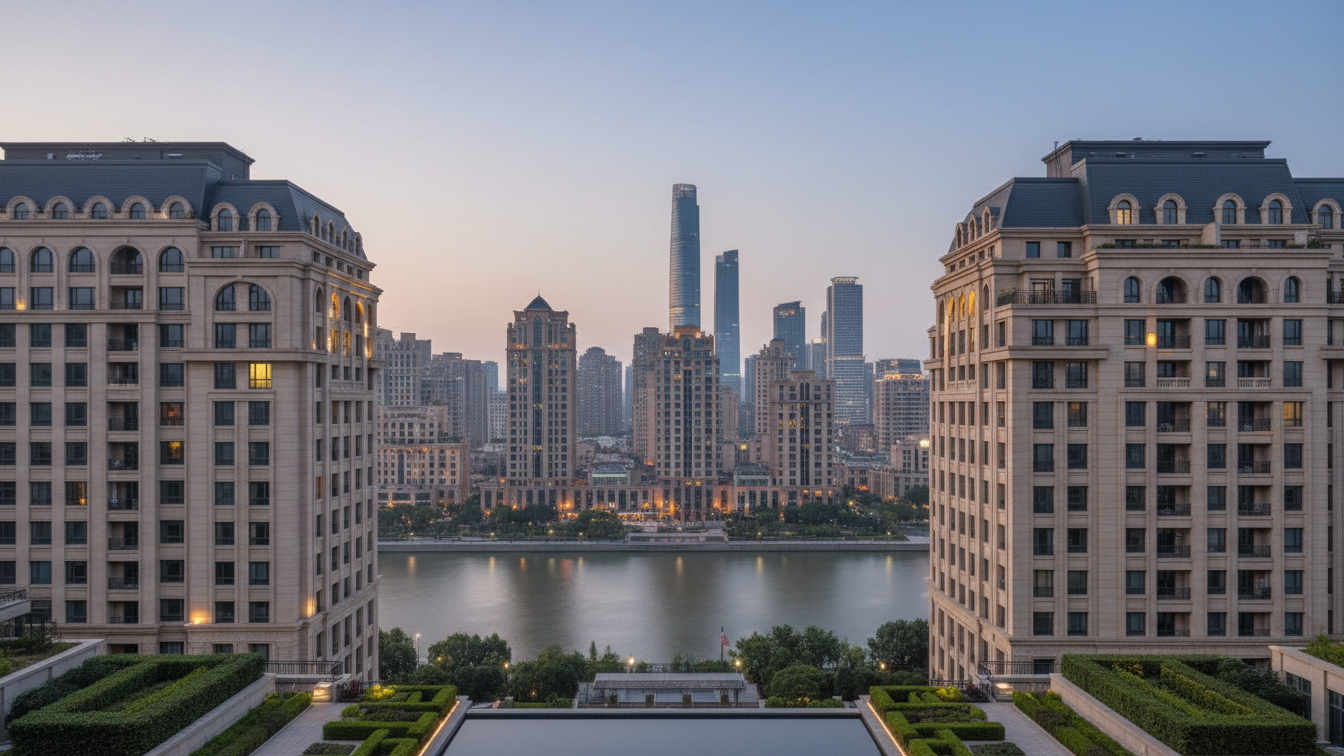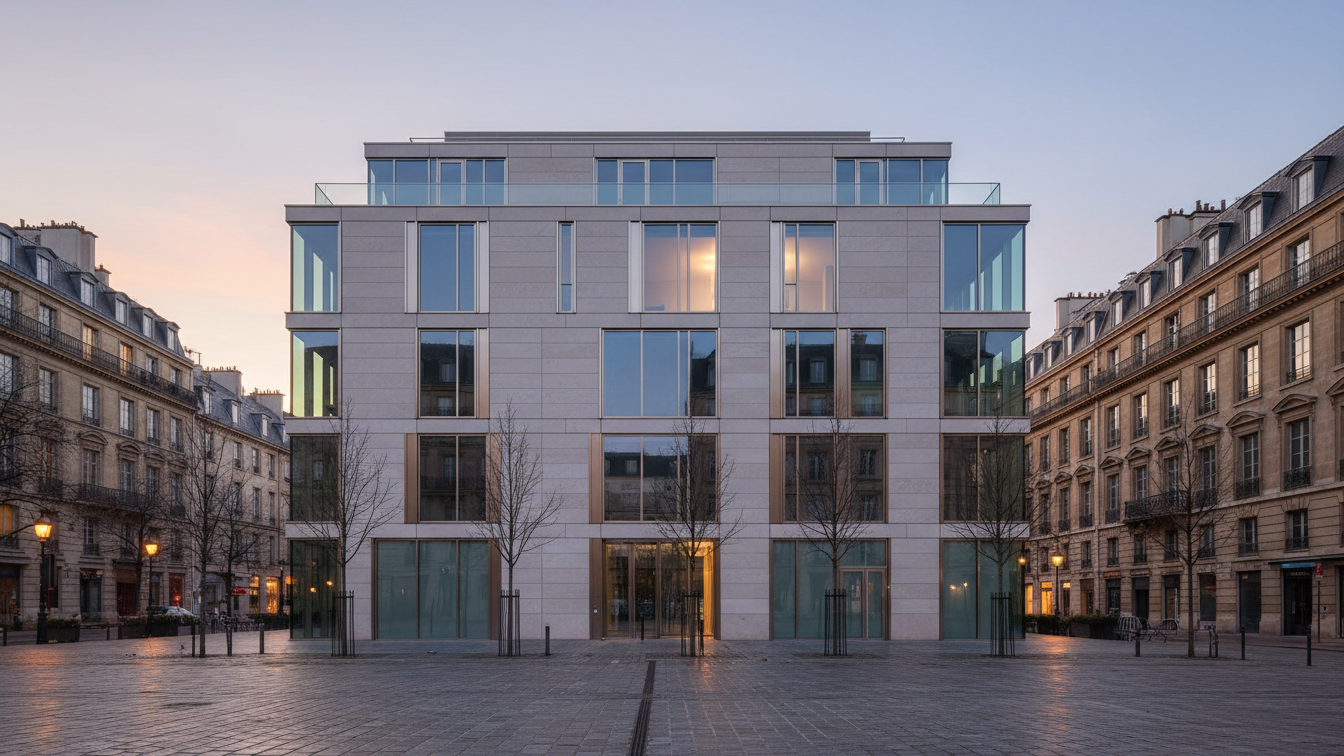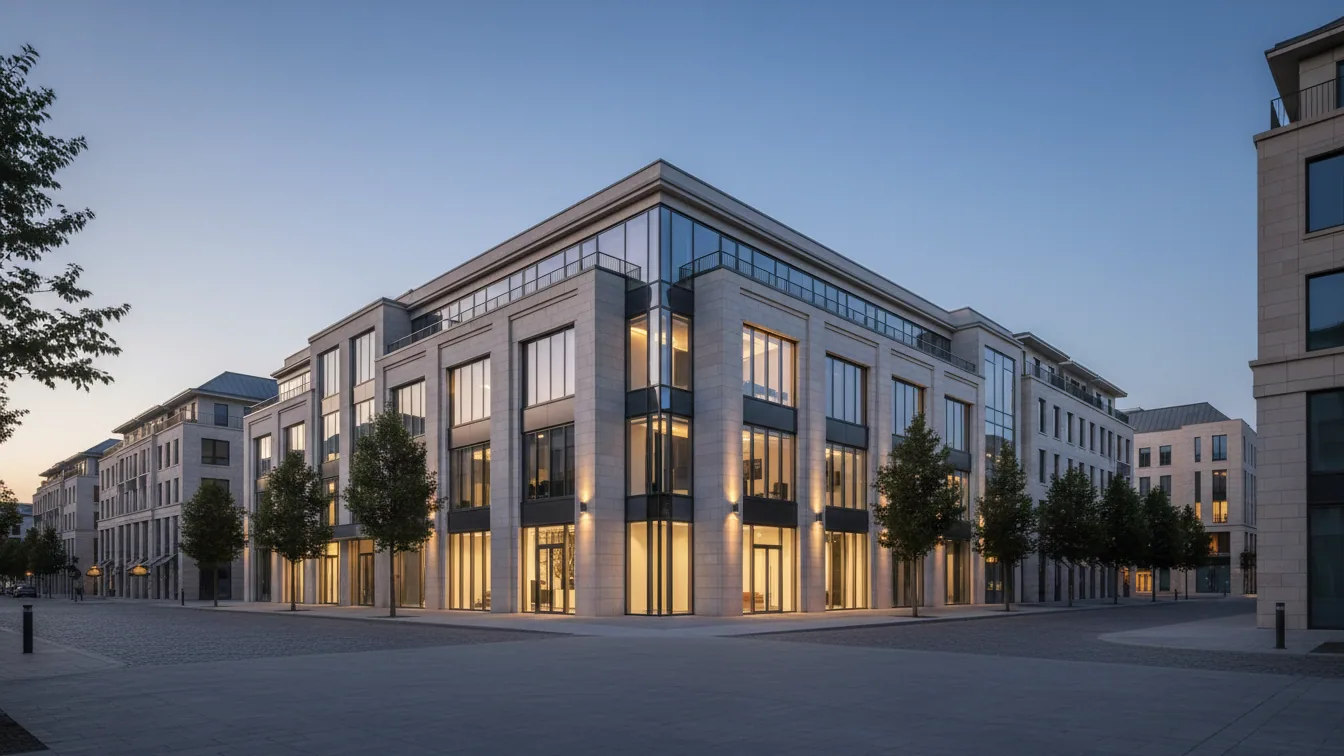
IHG Hotels & Resorts has reached a significant milestone with the opening of its 50th voco hotel in Europe. Since its launch in 2018, the format has become the hotel group's fastest-growing premium brand. The expansion drive focuses on in-demand urban and resort destinations as well as city districts. Across Europe, a further 26 properties are currently in the development pipeline.
The growth strategy of voco relies on a combination of new builds and conversions of existing hotel properties. The flexible brand and design concept enables swift adaptation to different building structures. At the same time, hotel owners benefit from IHG's global corporate platform, including the worldwide distribution network and the IHG One Rewards loyalty programme. In the German market, the brand currently operates one hotel, with three further projects under development.
International additions and environmental benchmarks
Recent openings in the European portfolio include voco Budapest D8 as the first property in Hungary and voco Antalya Konyaaltı in Turkey. In the United Kingdom, voco London Bloomsbury adds to the offering: the 114-room hotel is situated in a historic building in London's Fitzrovia neighbourhood, in close proximity to the British Museum, Covent Garden and Soho.
The group is also setting new benchmarks in sustainability: voco Zeal Exeter Science Park marks the delivery of the first net-zero hotel within IHG. The project demonstrates how ambitious environmental building standards and contemporary premium hospitality can be harmonised.
- —Five consecutive awards as Europe's leading premium hotel brand at the World Travel Awards
- —Planned market entry into Uzbekistan with the first hotel project in Tashkent
- —Market debut of the first European voco Suites scheduled for 2027 in Çeşme, Turkey
Focus on owners and flexible conversions
Karin Sheppard, SVP & Managing Director Europe at IHG Hotels & Resorts, attributes the success to the confidence of property owners and the efficiency of the concept. Investors increasingly demand adaptable brands that enable an accelerated market entry while preserving the individual character of a property. Integration into the global infrastructure provides the necessary commercial backing for future growth.