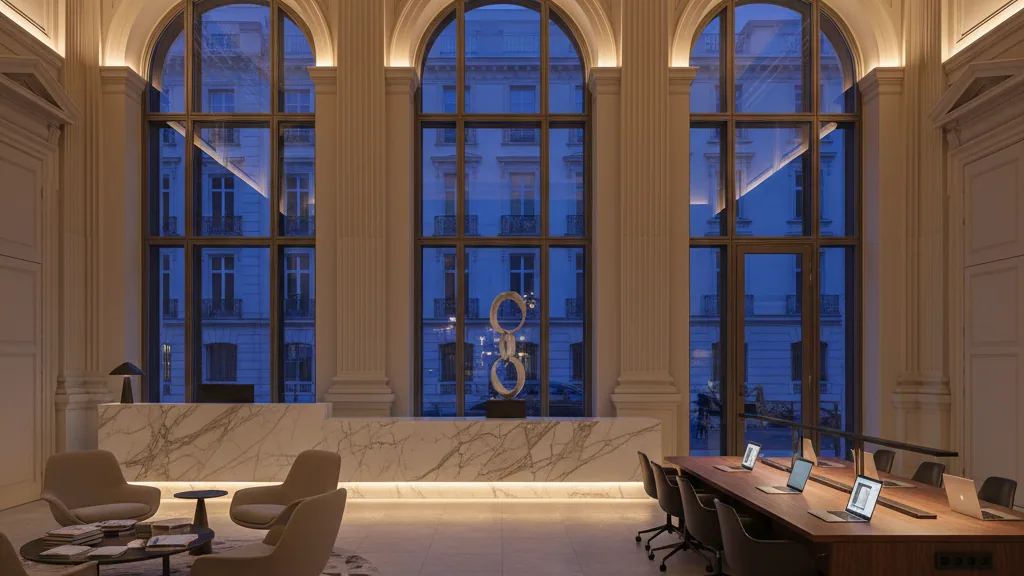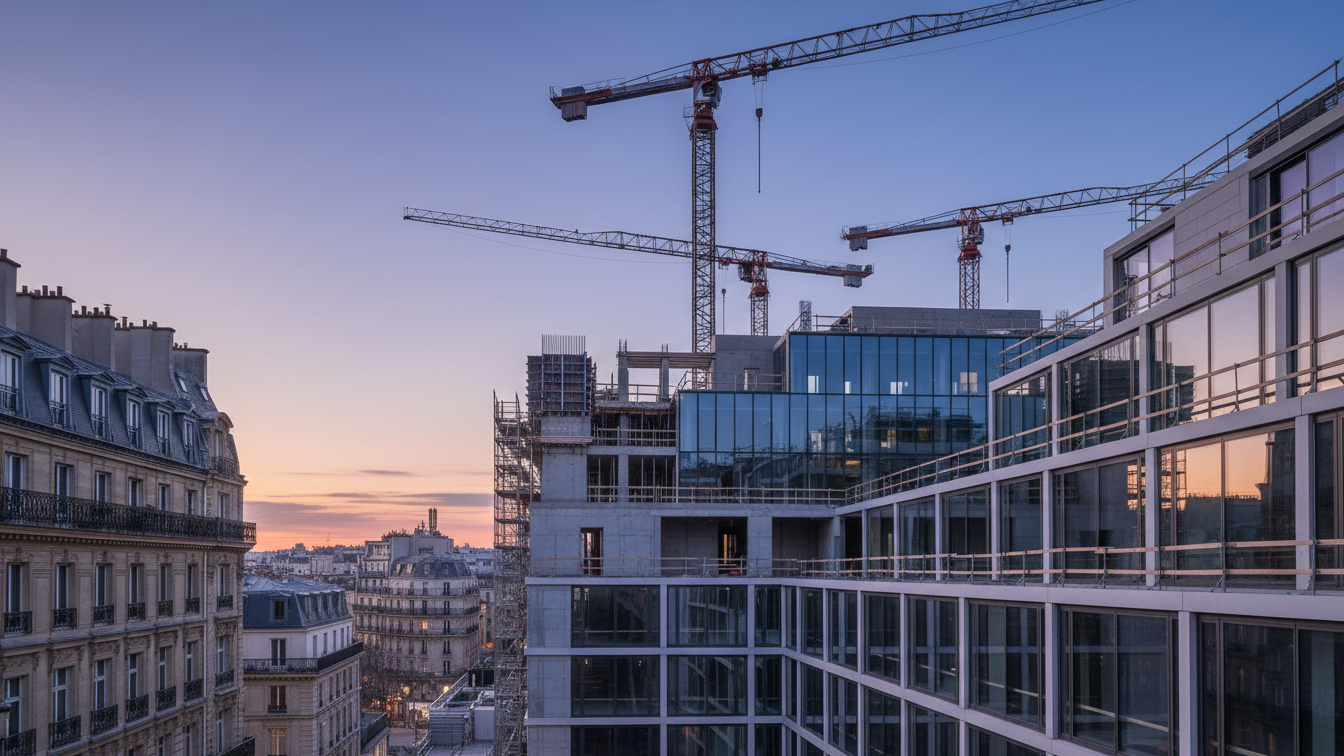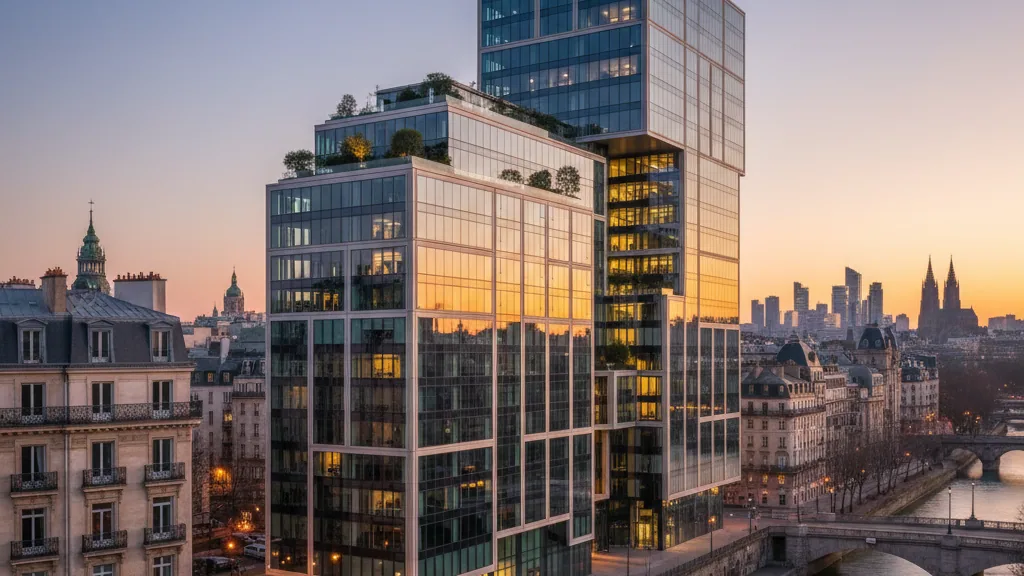
Investment readiness for office transactions is showing signs of revival in 2026. The preference of commercial property investors for office deals reached 11 per cent in the second quarter. This marks a significant increase compared to just 4 per cent at the start of 2025, who identified the office sector as having the most opportunities. These findings come from SitusAMC's latest quarterly ValTrends research report, which was exclusively made available to Commercial Observer ahead of its official publication.
Although office sentiment in the survey was 11 per cent, below the 16 per cent seen in the first quarter, overall trends within the sector are on the rise. This follows years where investor confidence in this asset class remained in the low single digits, according to Peter Muoio, head of SitusAMC Insights. Muoio attributed the renewed interest to greater clarity in valuations. The increasing pressure on some distressed loans could also be a factor in the figures, Muoio added. He stated that investment conditions in the office segment had improved over the past year or eighteen months, and a renewed interest was palpable.
Growing Optimism and Capital Flows
Part of the increased optimism towards office facilities stems, according to Muoio, from the “growing confidence” in the financial feasibility of office conversions. The report showed that cap rates for offices fell by 10 basis points (bps) in the second quarter, but remained 80 bps above their long-term average. The increasing enthusiasm for office ventures in the ValTrends report is part of a more balanced preference for various property types that has developed over the last year.
Multi-family properties remained the top-ranked asset class in the second quarter, yet optimism cooled in the survey from 60 per cent to 36 per cent compared to the previous quarter. Muoio explained that the decline was likely due to oversupply issues, particularly in the so-called Sun Belt, which are taking longer to resolve than originally anticipated. Investor preference for industrial properties rose by 16 percentage points from the previous quarter to 32 per cent, ranking second in the CRE sentiment rankings. In the same period last year, industrial sentiment stood at 35 per cent.
Jen Rasmussen, Vice President at SitusAMC and co-author of the report, pointed out that expectations for increased demand for data centres, driven by the growth of artificial intelligence (AI), are fuelling much of the industrial optimism. Rasmussen warned, however, that data centres currently pose significant risks as more people oppose developments, including a recent moratorium in New York state. She cautioned that while enormous amounts of capital are flowing, the development of AI is still uncertain. The question is whether large areas could be used for other purposes if expectations are not met.
Underwriting and Financing
Retail properties ranked third in the survey with 21 per cent, following a 13 percentage point increase from 8 per cent in the previous quarter. Surveyed investors noted that retail demand is improving, particularly for well-located shopping centres dominated by food anchor tenants. Investors surveyed by SitusAMC indicated that underwriting standards are “historically strict”, but financing availability matches long-term averages.
Muoio remarked that lending standards remained “relatively restrictive” due to increased interest rates, stricter debt service coverage ratio requirements, and closer scrutiny regarding potential refinancing risks. He emphasised that the discipline of both equity and debt capital is stricter from a historical perspective. Muoio added that clients are increasingly stating the need for precise knowledge of a property's immediate surroundings. This leads to a much more detailed consideration in valuation, be it for equity or debt capital.