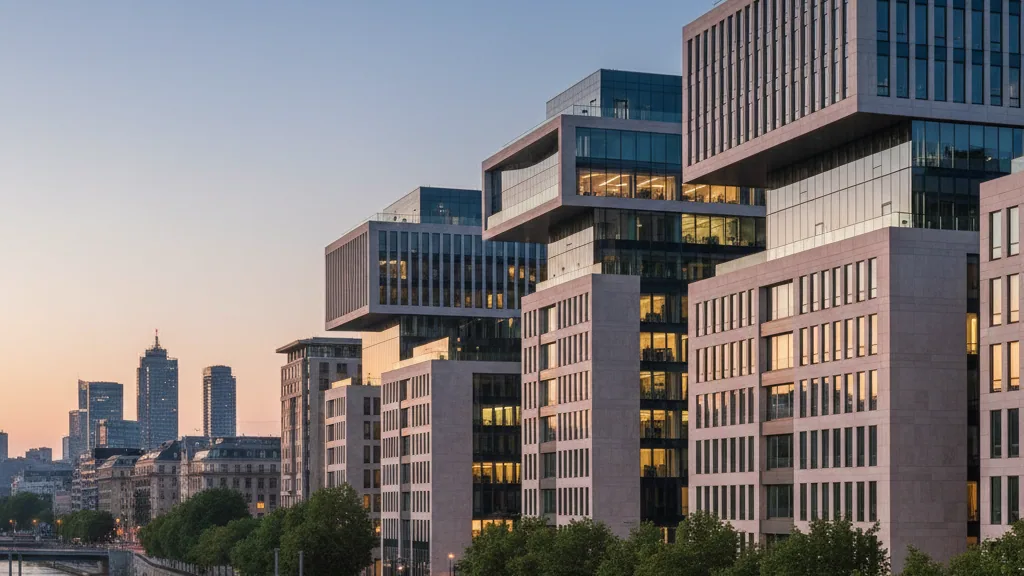
The current public hearing in the German Bundestag on the draft law amending residential and commercial tenancy law, known as 'Miete II' (Rent II), is a central focus for the real estate sector. This debate highlights the potential impacts of legislative adjustments on various segments of the real estate market, particularly with regard to housing provision and the value retention of existing properties.
Experts and stakeholders in the sector are closely monitoring the discussions. The intended reforms could have far-reaching consequences for investment decisions in new construction projects as well as for the long-term maintenance and modernisation of existing buildings. The complexity of tenancy law requires a differentiated approach to avoid unintended negative effects.
Challenges for New Construction and Preservation of Existing Properties
A central aspect of the deliberations concerns the promotion of new housing construction. Should tenancy law restrictions impair the economic viability of new building projects, this could lead to a slowdown in construction activity. This would counteract the easing of housing markets, which is urgently needed, especially in urban centres. The creation of additional living space is considered essential to meet the growing demand.
In addition to new construction, the preservation of existing properties is of great relevance. Sustainable management and regular maintenance of existing properties are crucial for maintaining living quality and the value retention of the portfolio. Interventions that make it more difficult to refinance modernisations or necessary repairs could lead to an investment backlog in the long term and thus to a deterioration of the housing stock. This also includes measures in the area of climate protection, such as energy-efficient refurbishments, which often require high initial investments.
Implications for Climate Protection
The discussion about tenancy law also touches upon the implementation of climate protection goals in the building sector. Measures for energy efficiency and the reduction of emissions are an integral part of the national climate strategy. If tenancy law reduces incentives for investments in these areas, this could significantly delay the achievement of climate targets in the building sector. A framework is needed that considers both the interests of tenants and the necessity of investments in future-proof infrastructure.