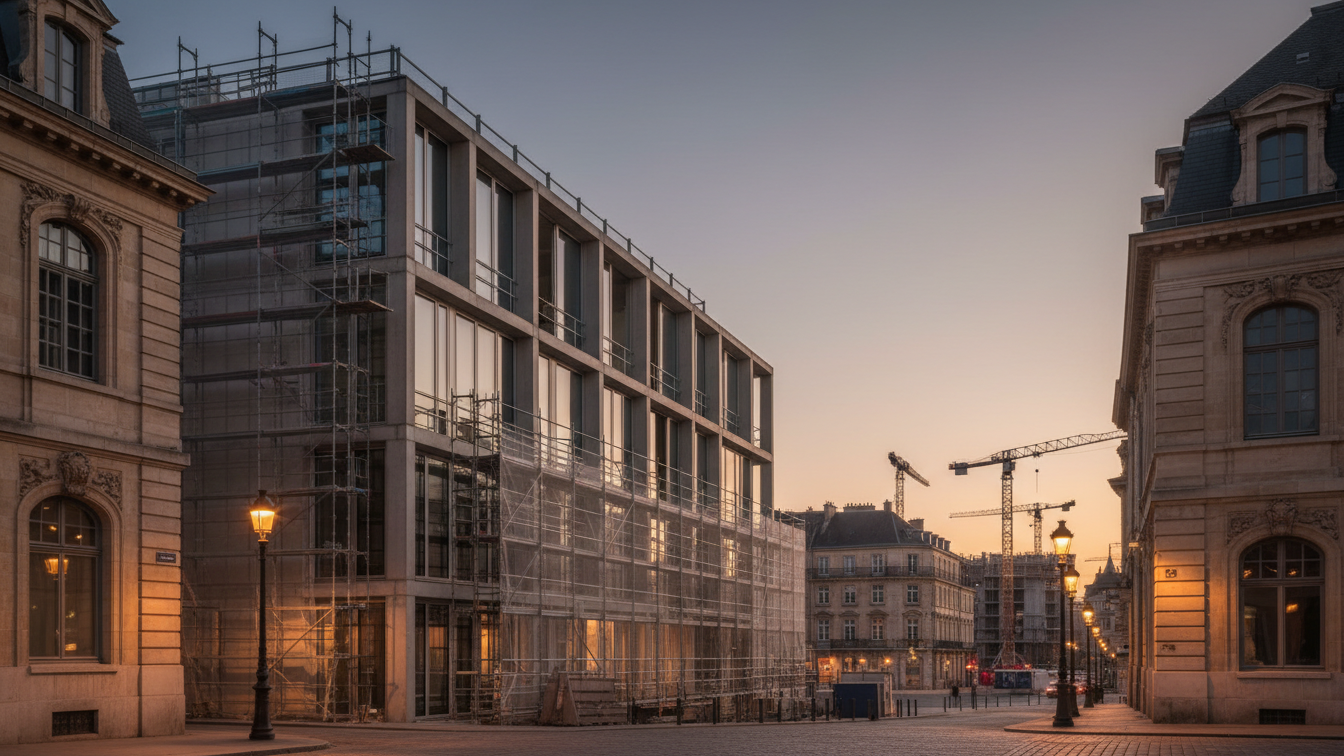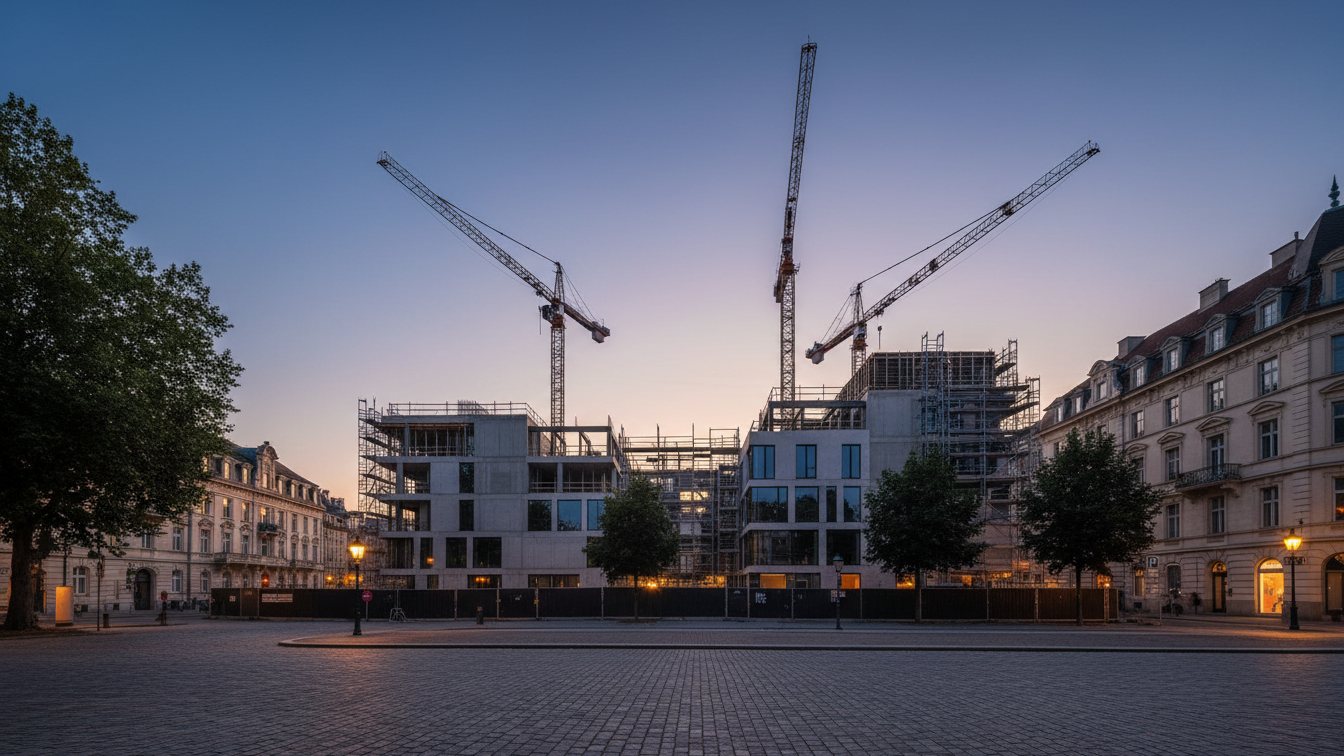
Two alarming headlines recently underscored the growing challenges in addressing New York City's housing crisis: rents reached record levels, while the number of vacant homes in more densely populated boroughs drastically decreased. These developments highlight the long road still ahead to ensure that every New Yorker has a stable, high-quality home that is financially viable.
Data shows that the median monthly rent for new leases in Manhattan reached a record high of $5,000 in July – an increase of 6.4 per cent compared to 2025 – while the number of available units decreased by more than 69 per cent. In Brooklyn, the median rent reached a record high of $4,500 per month, with the number of available units falling by 27 per cent. Furthermore, the Mamdani administration announced in August that in the first six months of 2026, only 12,491 affordable homes were preserved or created – the lowest half-year total since 2022.
New York City is considered one of the most expensive places globally to build affordable housing. This is due to a variety of factors, including rising insurance costs, land scarcity, and a complex permitting and regulatory system. Against this backdrop, and considering circumstances beyond its direct control, it is crucial for the city administration to utilise all available means to facilitate, accelerate, and make more cost-efficient the construction and preservation of affordable units across all five boroughs.
Proposals for Increased Efficiency
The Mamdani administration has taken initial steps in the right direction with its proposed Streamlining Procedures to Expedite Equitable Development (SPEED) reforms and the Block-by-Block Housing Plan. Voters now have the opportunity to support this progress by adopting the ballot proposals championed by the Mayor's Commission on Government Efficiency (COGE) in November. As a member of COGE, I have spent months, along with other commissioners, gathering opinions from residents, business owners, stakeholders, and elected officials across all boroughs to collect information on how the city administration can be modernised, streamlined, and improved to benefit all New Yorkers.
The five proposals on the ballot are the result of extensive collaboration and compromise. Three of them specifically aim to remove obstacles to the construction and preservation of much-needed affordable housing. From the perspective of affordable housing development, Prop 4, which would create a centralised permitting agency for construction projects across all city agencies, is possibly the most important. Currently, developers must navigate more than a dozen agencies and obtain 40 separate permits from 18 offices before construction can begin. Each handover carries the potential for delays. For affordable projects, which are financed with tight margins and strict subsidy deadlines, a delay can mean the difference between a project's realisation and its failure.
Concrete Measures for Acceleration
Prop 4 consolidates these permits into a central body, enables more Department of Buildings (DOB) departments to sign certificates of occupancy, and centralises the approval of water projects under a single authority. This does not affect safety reviews or public participation, but merely smooths out unnecessary friction and complications. Two other measures on the ballot support this goal:
- —Prop 3 would shorten the deadline for selling or leasing small city-owned properties from seven months to 90 days, potentially allowing more vacant public land to be used for housing.
- —Prop 2 would accelerate city contracts with non-profit housing providers from 13 months to six months, without weakening labour standards.
These proposals focus on processes and do not represent a comprehensive overhaul. Admittedly, they do not go as far as some stakeholders would wish, but they reflect genuine collaboration and diverse input. Members of the New York Association for Affordable Housing (NYSAFAH) welcome the opportunity to work with City Hall and appreciate its willingness to address concerns. Although there is not agreement on all points, we share the conviction that New Yorkers deserve high-quality, affordable housing, and the government should not hinder its construction and preservation. These ballot proposals are a continuation of this work. I ask New Yorkers to examine them closely and carefully weigh their merits. Every month a project waits for a permit means another month someone is overpaying for too little space or cannot find housing at all. In November, I ask you to vote 'Yes'.