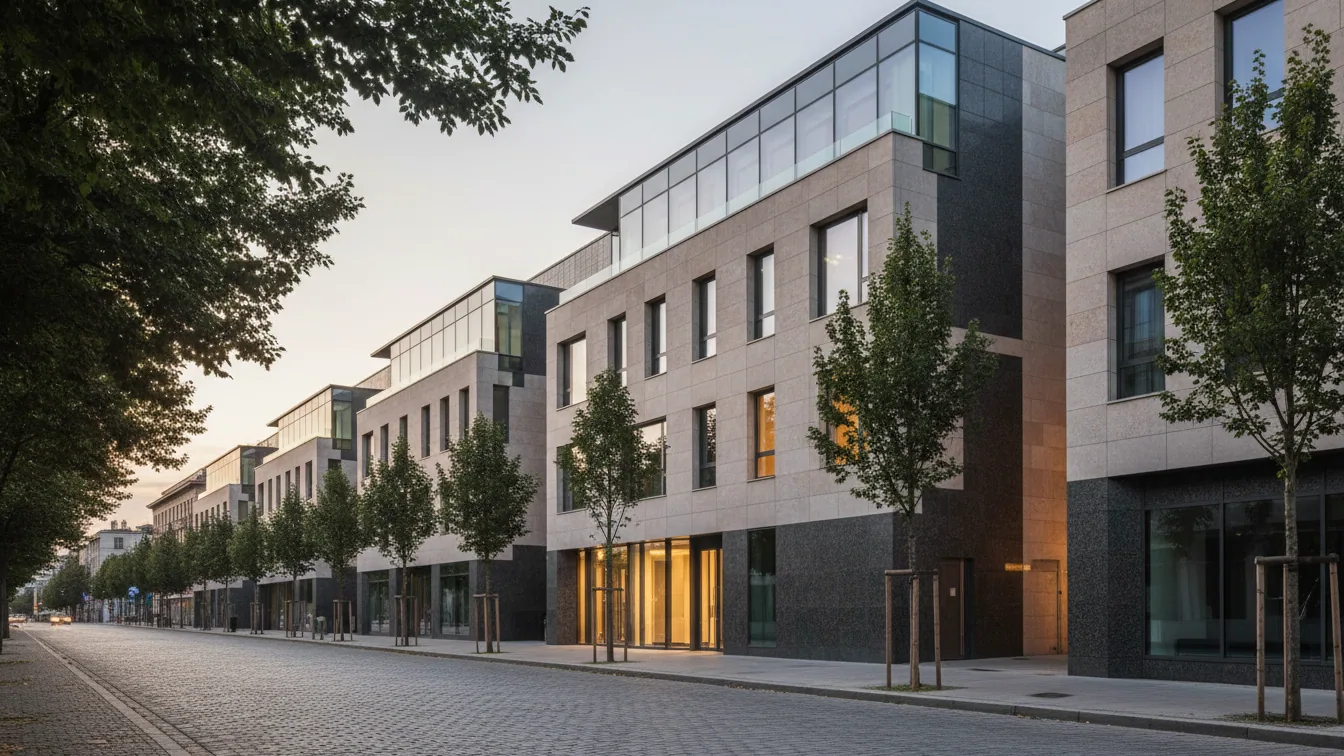
A three-storey terraced house in Andover, Hampshire, was recently acquired for £255,000. This transaction was financed using bridging finance, which enabled an 80% loan-to-value ratio. This type of financing was crucial as the property required significant renovation work, which would have precluded the granting of a traditional buy-to-let mortgage.
The acquisition by a property investor highlights the role of flexible financing solutions for properties deemed too risky by banks and mortgage lenders due to their condition or lack of immediate rentability. Bridging loans are specifically designed for such scenarios, offering quick liquidity for the purchase before extensive modernisations are carried out and long-term financing can be established.
Strategic Financing for Renovation Properties
The decision to use bridging finance allowed the investor to acquire the property despite its extensive renovation needs. After the renovation work is completed, the house is expected to increase in value and qualify for a traditional buy-to-let mortgage. This will enable the investor to replace the temporary bridging finance with a more favourable, long-term solution and subsequently rent out or resell the property.
This case illustrates the necessity for tailored financing products in the British property market, particularly for properties that offer potential for value appreciation through renovation. Bridging finance providers play a central role in activating such properties by closing capital gaps and giving investors the opportunity to acquire and enhance undervalued assets. The 80% loan-to-value ratio also demonstrates the financier's confidence in the property's potential post-renovation.
- —Property: Three-storey terraced house
- —Location: Andover, Hampshire
- —Purchase Price: £255,000
- —Financing Type: Bridging finance with 80% LTV
The transaction reflects a common approach in property investment, where attractive returns are sought through strategic acquisition and value creation via renovation. Without the availability of such flexible financing options, many properties requiring renovation would remain unused, potentially slowing down the market.