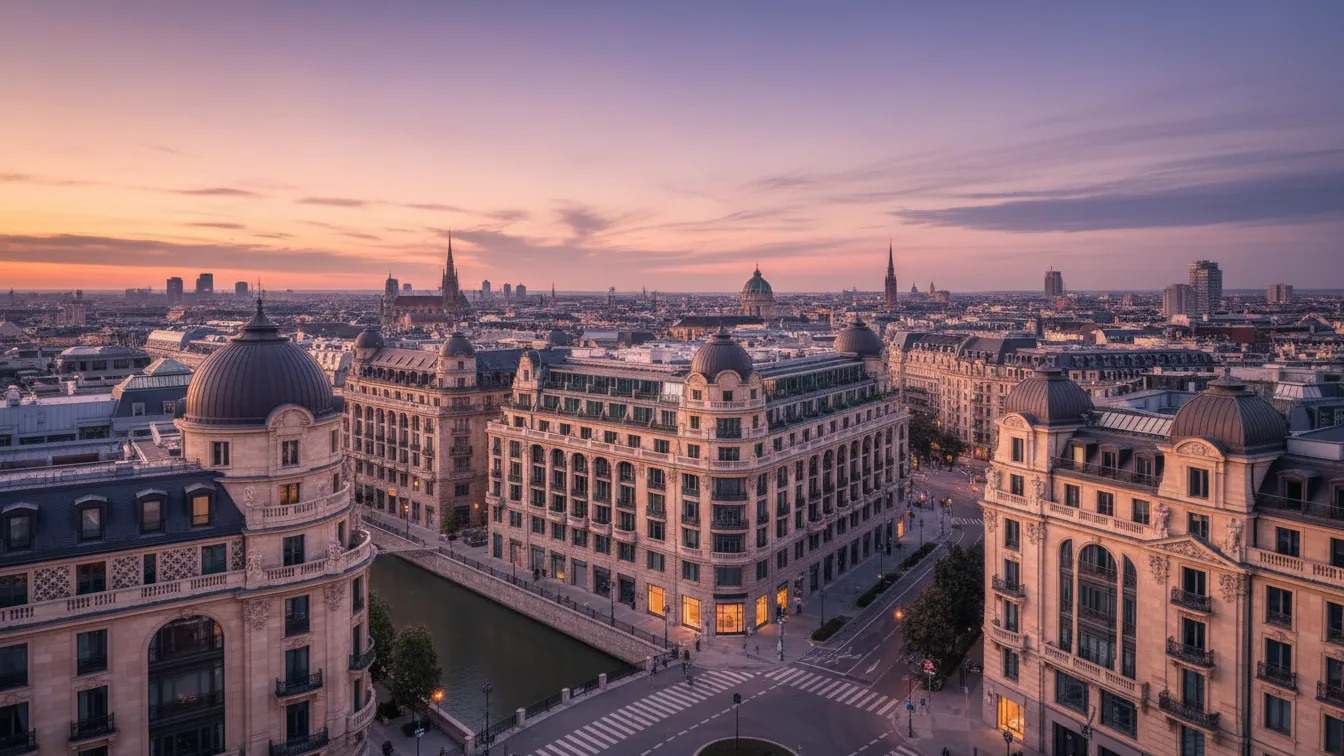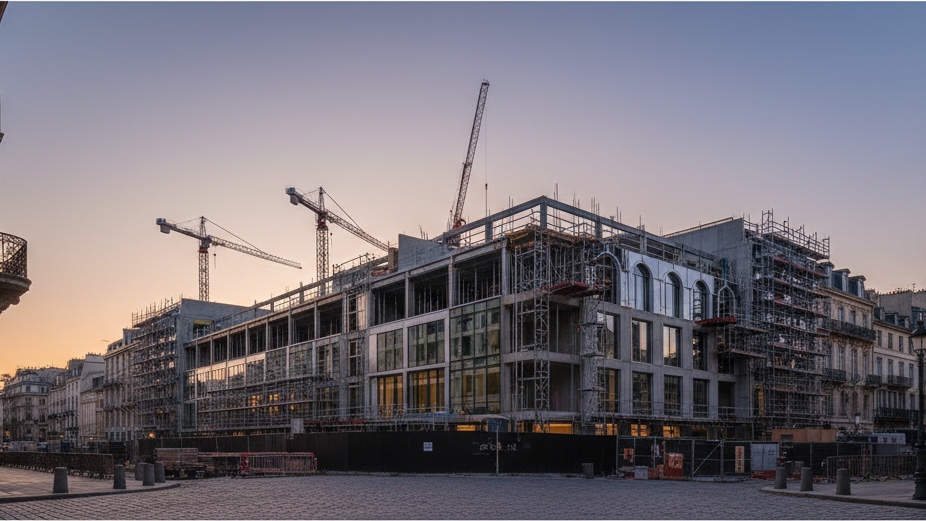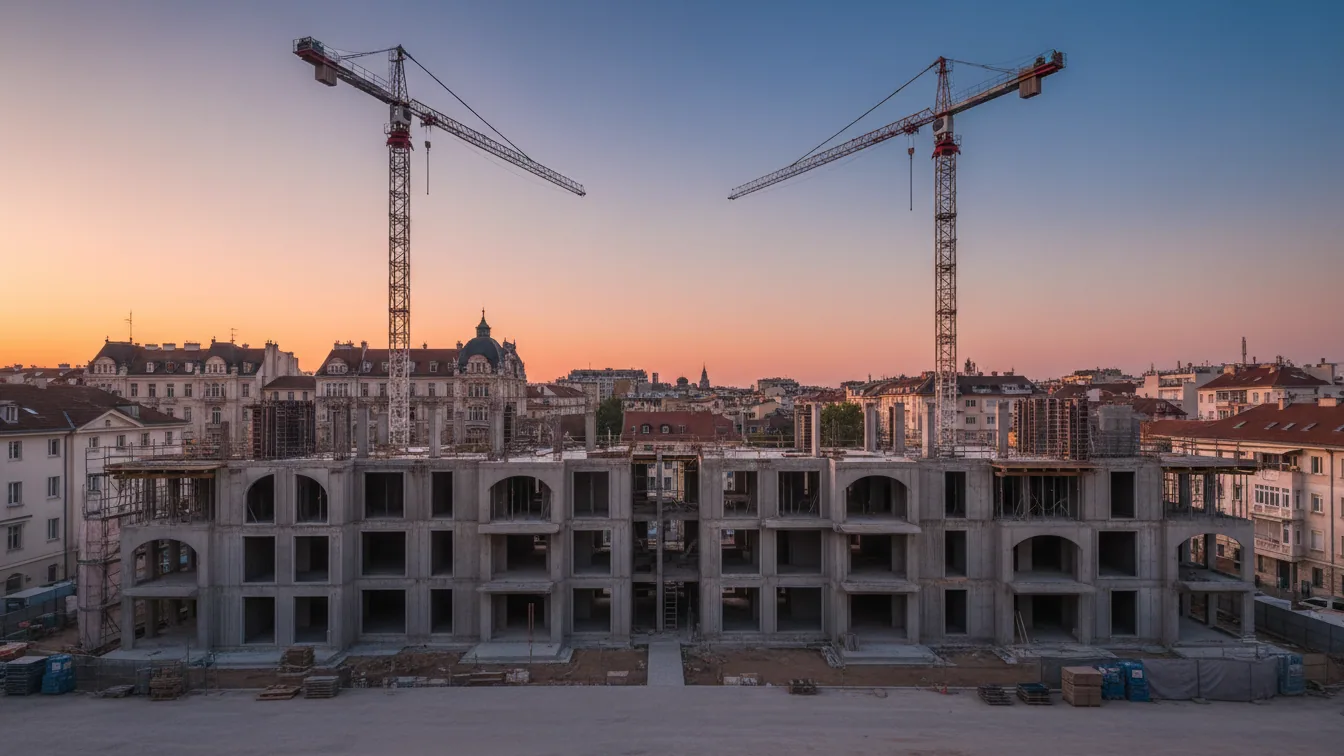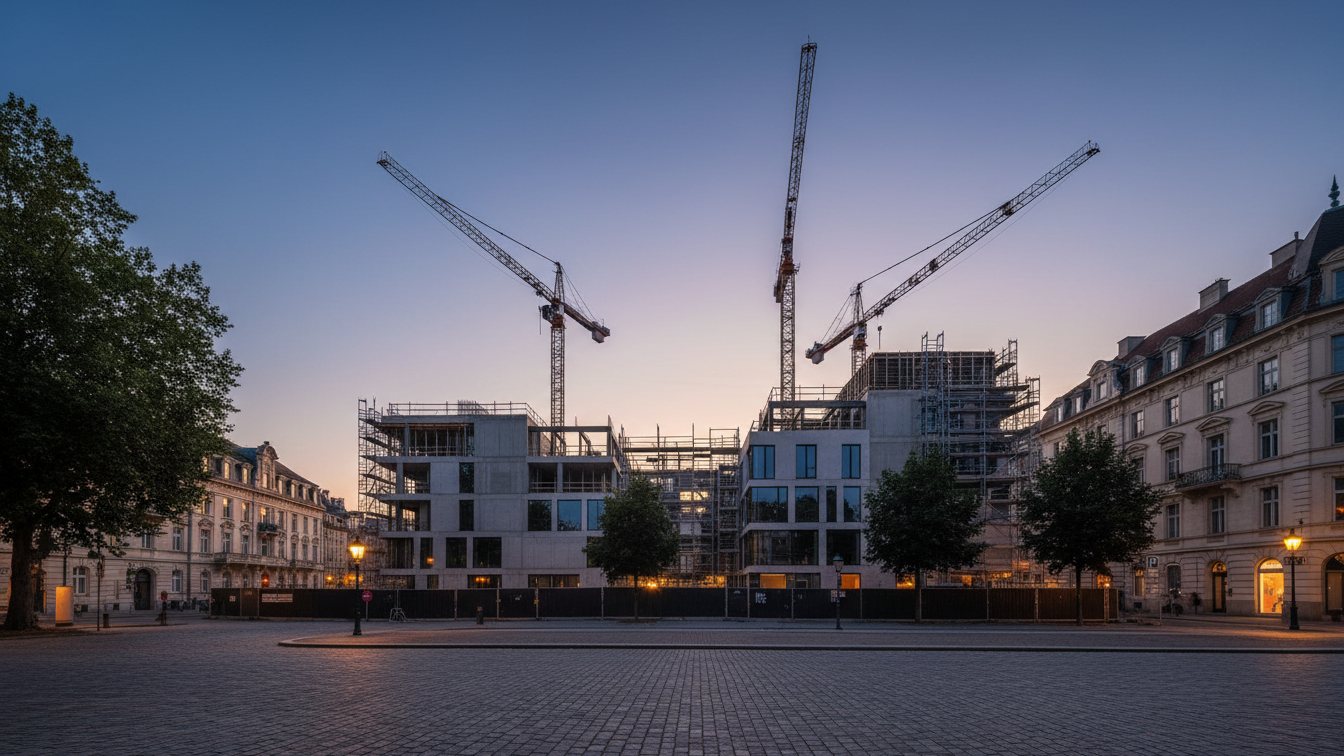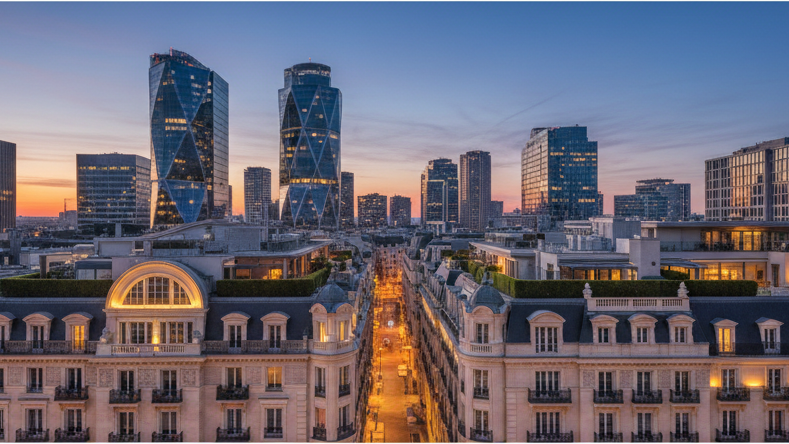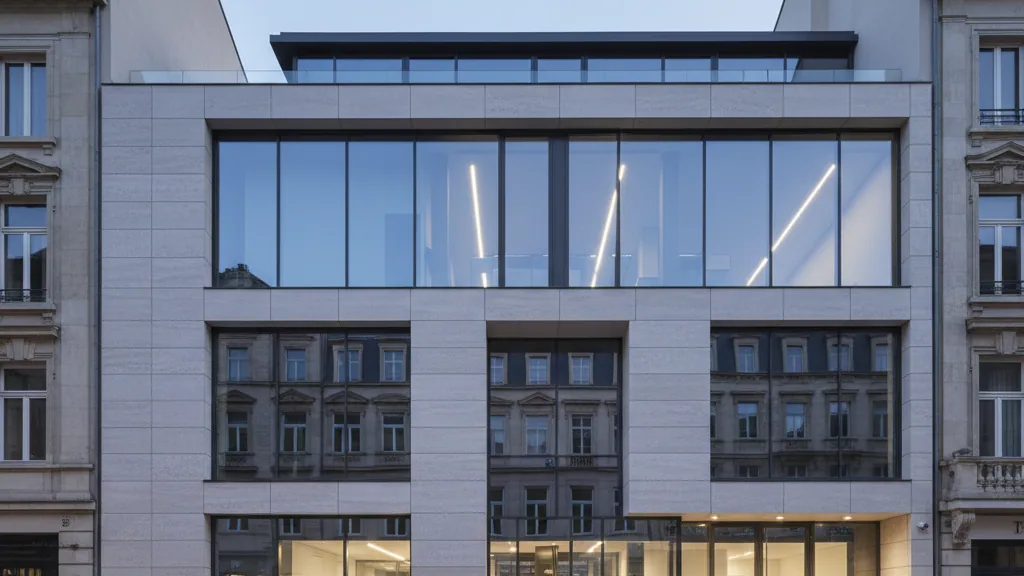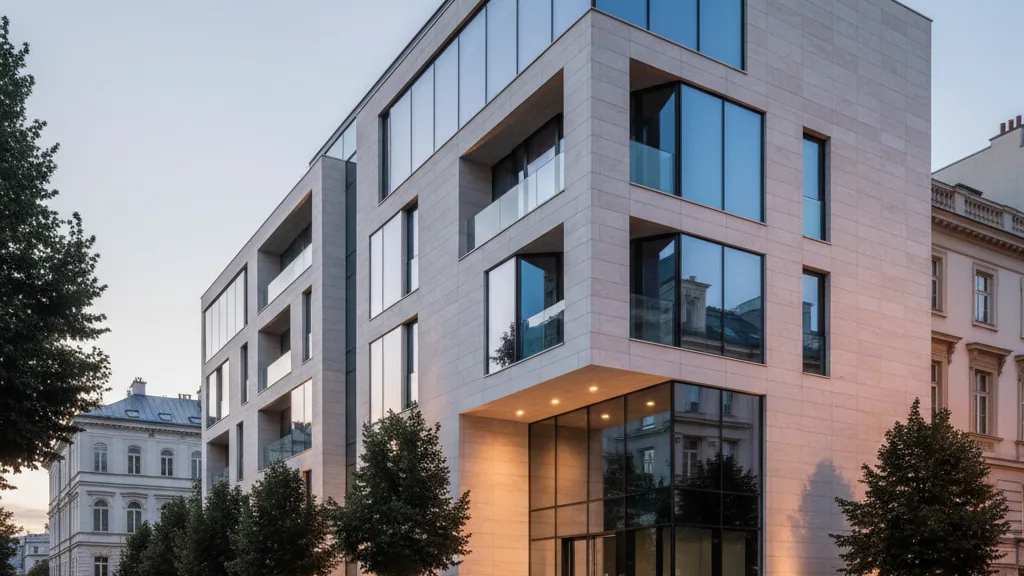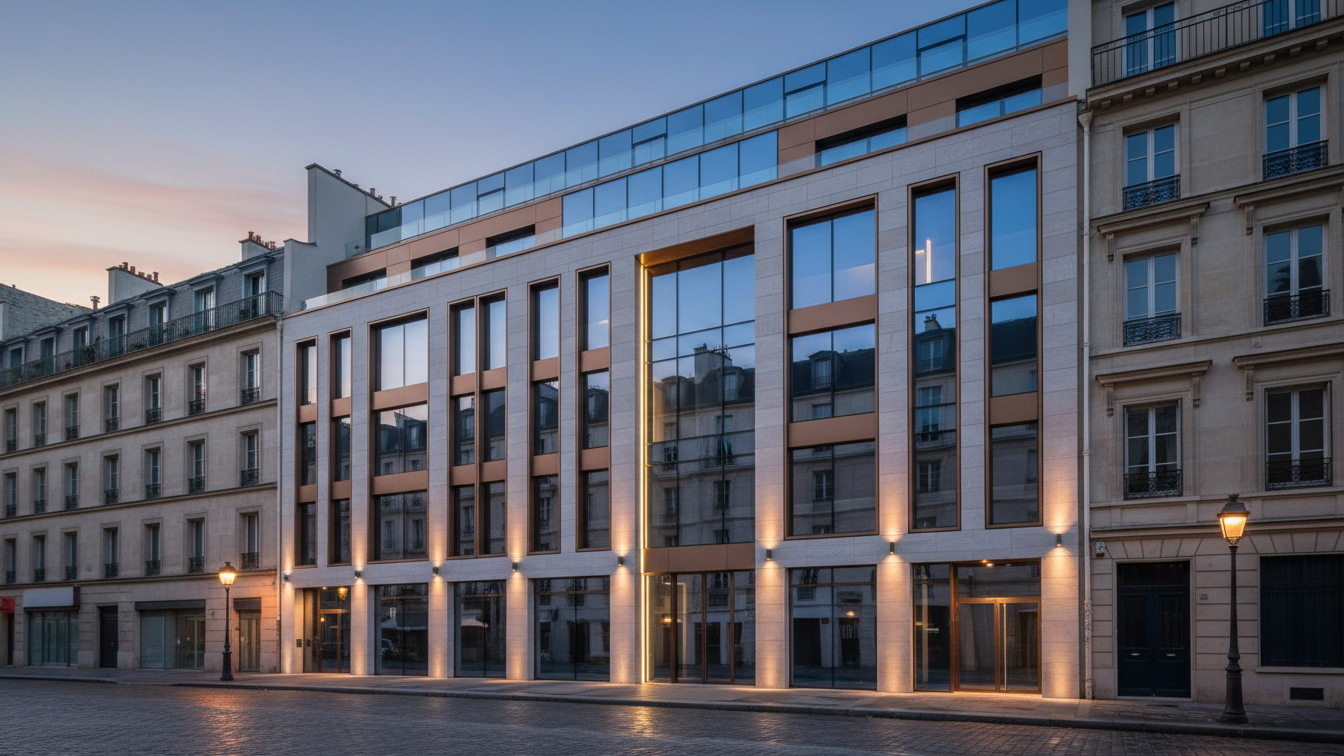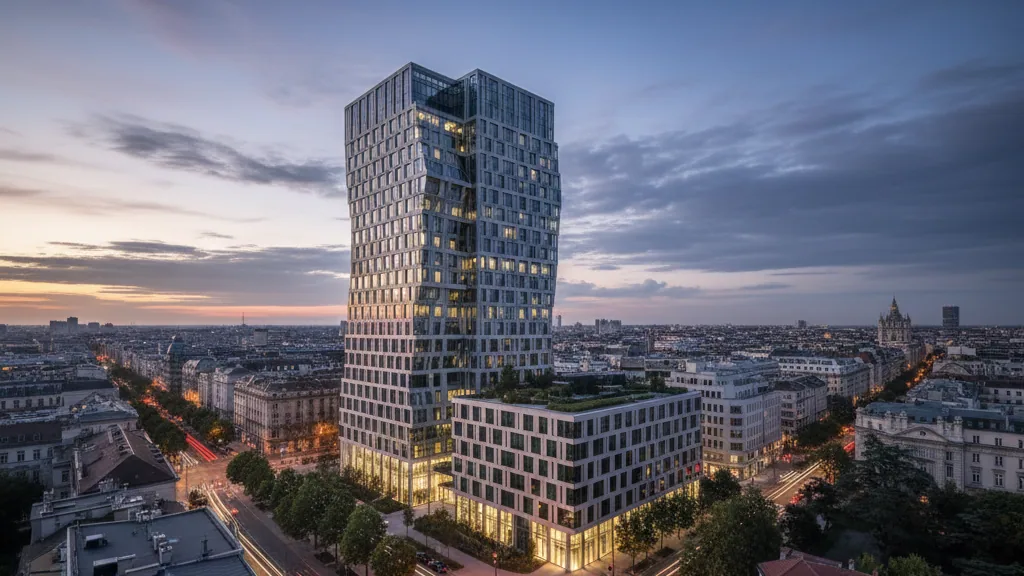
The completion of the new buildings in Module 8 marks the conclusion of one of the most extensive transformation projects in Siemens' recent history: the Siemens Campus Erlangen. This project will henceforth consolidate the various Siemens sites in the greater Nuremberg area. The investment sum of approximately one billion EUR, made between 2014 and today, has enabled the development of a former research site into an open, sustainable urban quarter, which now provides workplaces for around 16,000 employees from the metropolitan region.
Siemens is already extending this development strategy with the construction of the Siemens Technology Campus at Erlangen's Europakanal, which began last year. This subsequent investment underscores the commitment to Germany as a location and to the 'Made for Germany' initiative. The Siemens Campus Erlangen is now accessible to the public and presents itself as a transparent, integrated area. A total of 18 new buildings have been realised, including an impressive reception building and a modern laboratory building. All operational business units of Siemens are present on the campus, from the research of Siemens Foundational Technologies to customer support from the Middle Franconia branch and training by Professional Education. Catering facilities and shops also establish the campus as a meeting point for both Siemens employees and the population of Erlangen.
Modern Working Environments and Sustainability
The Siemens Campus Erlangen combines advanced working environments with consistent sustainability standards. The use of renewable energies, rainwater management, extensive green roofs, and intelligent building technology contribute to nearly CO2-neutral operation. The buildings were developed continuously, from conventional construction methods to timber-hybrid constructions and energy-efficient 'All-Electric-Buildings' using CO2-reduced building materials. Veronika Bienert, CFO of Siemens AG and spokesperson for the Management Board for the Nuremberg metropolitan region, emphasised that the campus is an example of innovation, collaboration, and sustainability, demonstrating the successful interplay of modern working environments and urban development. Here, interdisciplinary teams create the technologies and solutions of the future.
With the completion of Module 8, Siemens Digital Industries receives a new home on campus, where competencies in automation and industrial software are bundled. Cedrik Neike, member of the Management Board of Siemens AG and CEO Digital Industries, highlighted that this strengthens innovative power and is a clear commitment to Erlangen as a location, which is known worldwide as an epicentre of automation. The Mayor of Erlangen, Jörg Volleth, acknowledged the project as a long-term commitment by Siemens to the city and a strengthening of the international science and business location. He highlighted the joint continuation of this development through the planned southern quarter, which will create urgently needed housing for various target groups, thereby fostering an open, vibrant urban district that combines work, living, and life.
The project management by Siemens Real Estate, the group's property company, is considered groundbreaking for the transformation of former industrial and research sites into open and sustainable urban quarters. Many of the concepts and technologies tested on the campus are already being applied in the development of other Siemens sites worldwide.