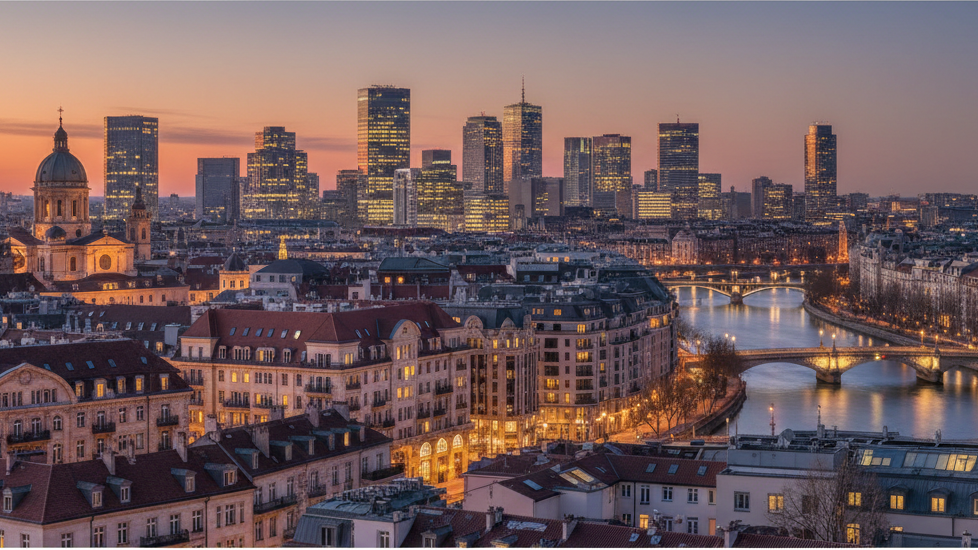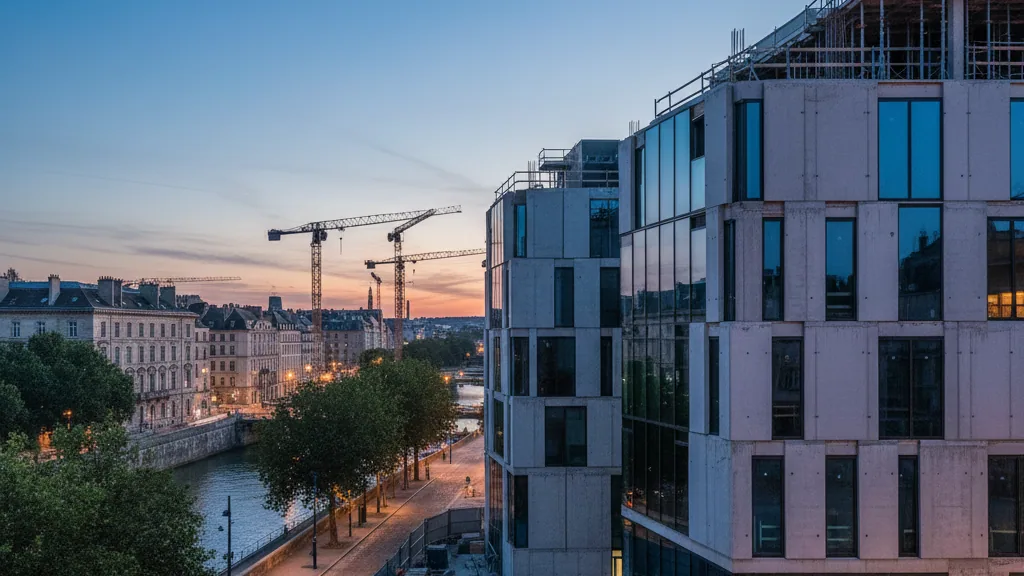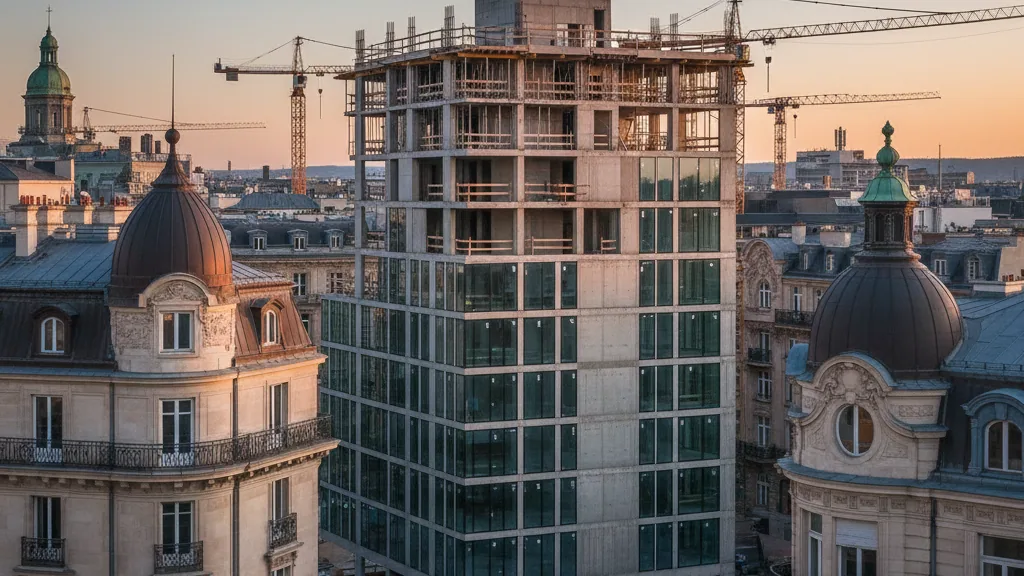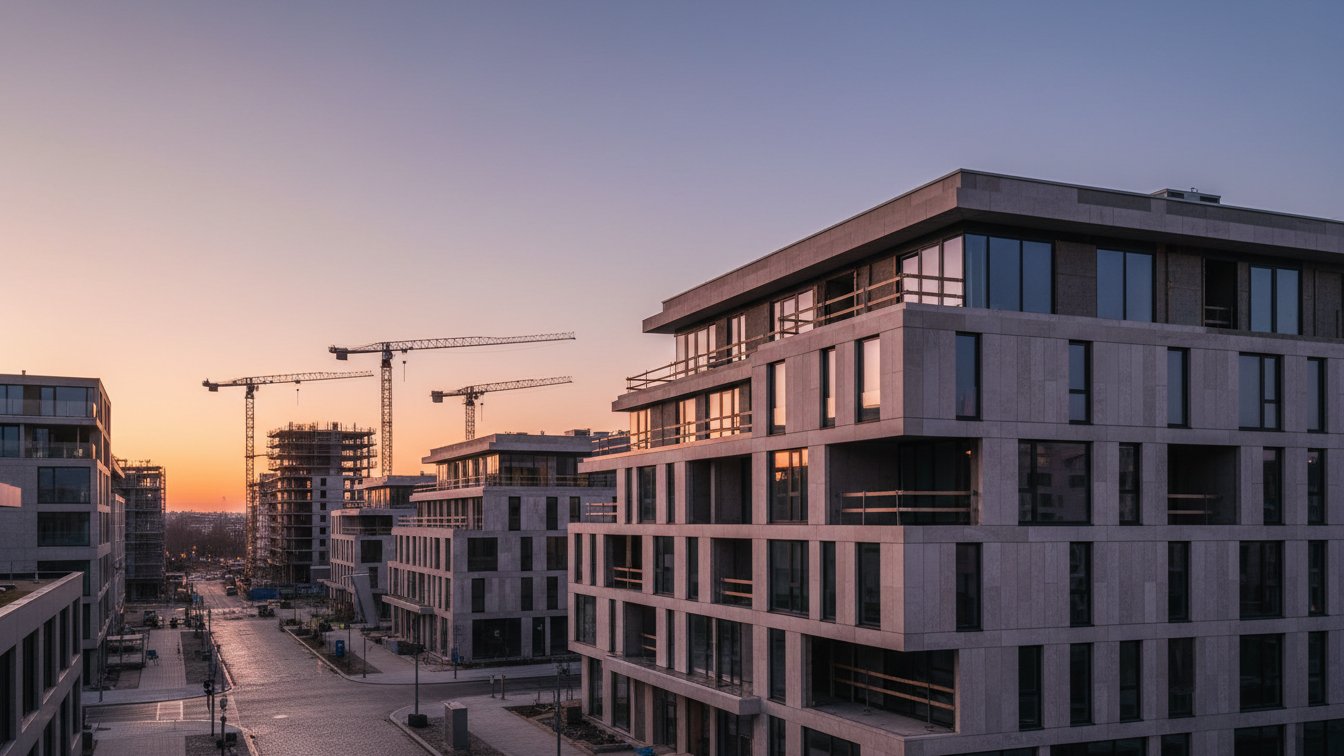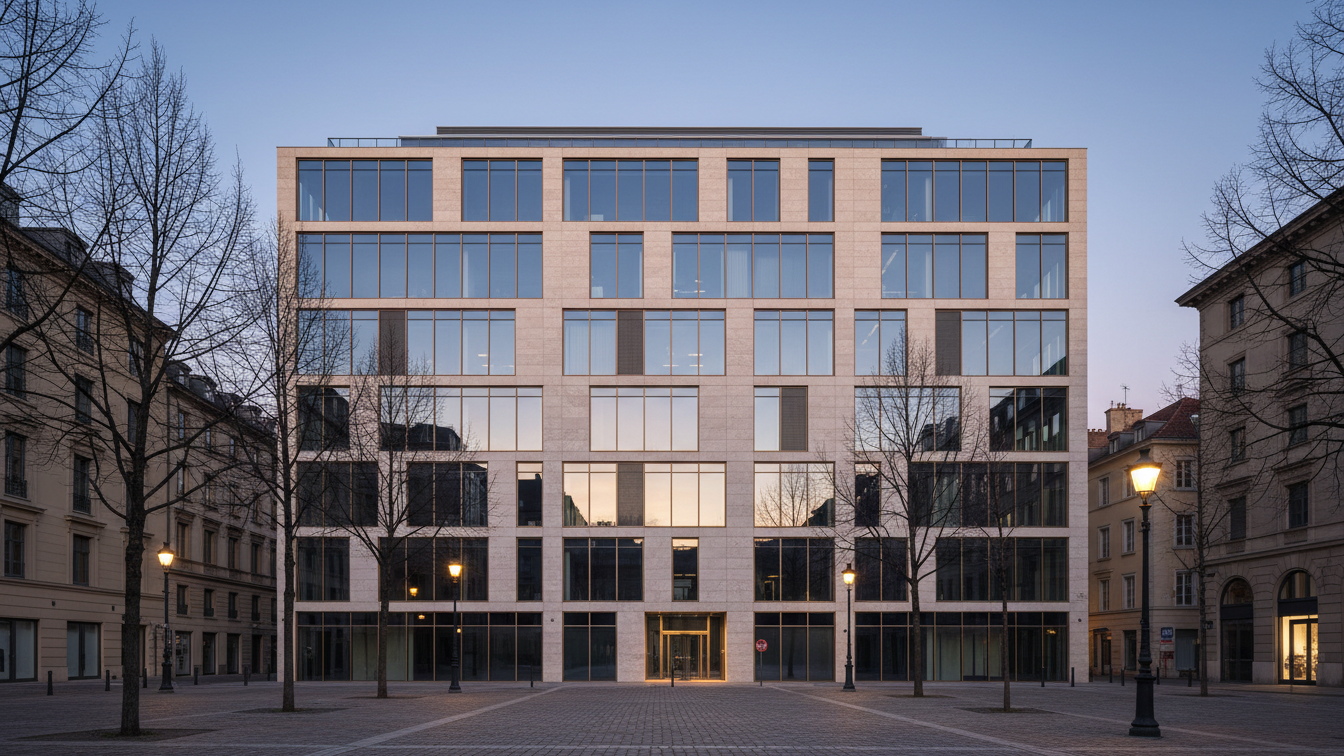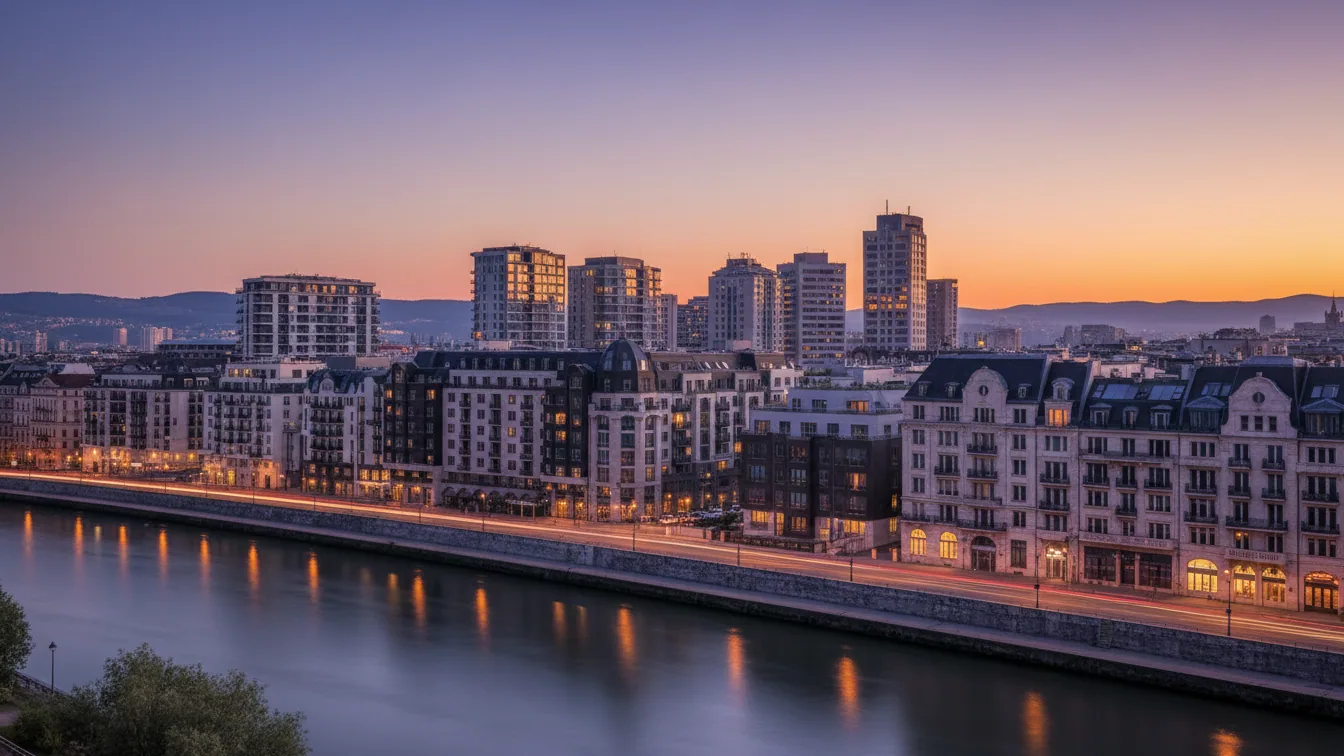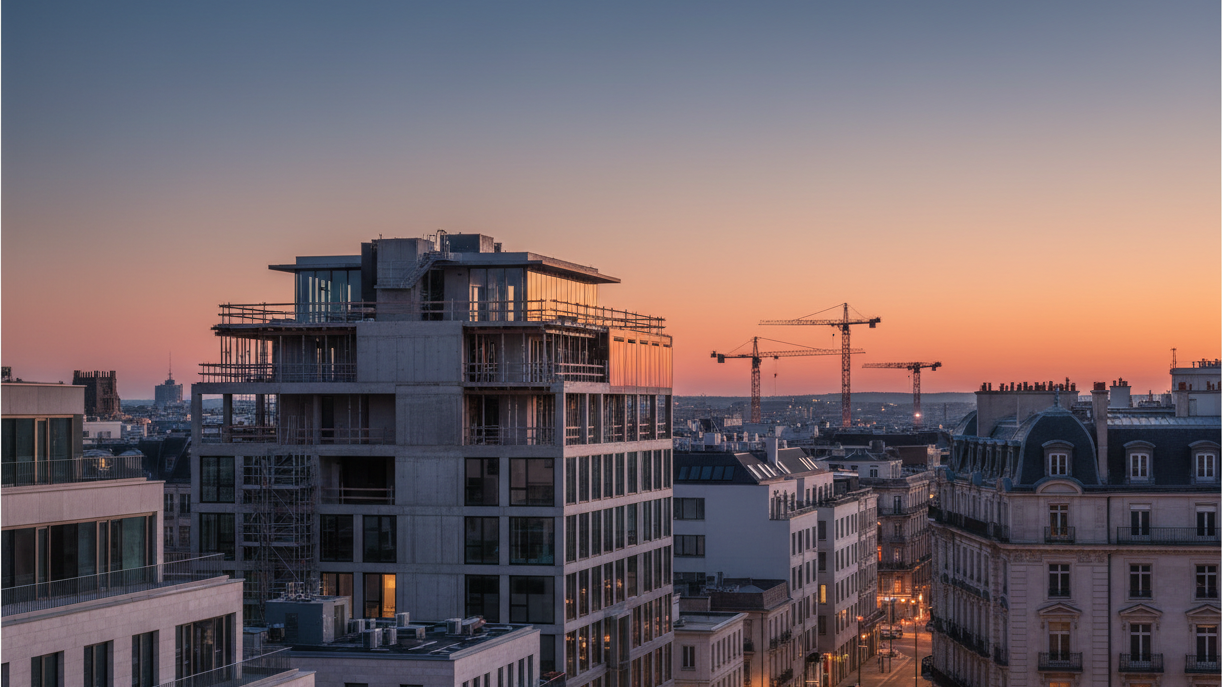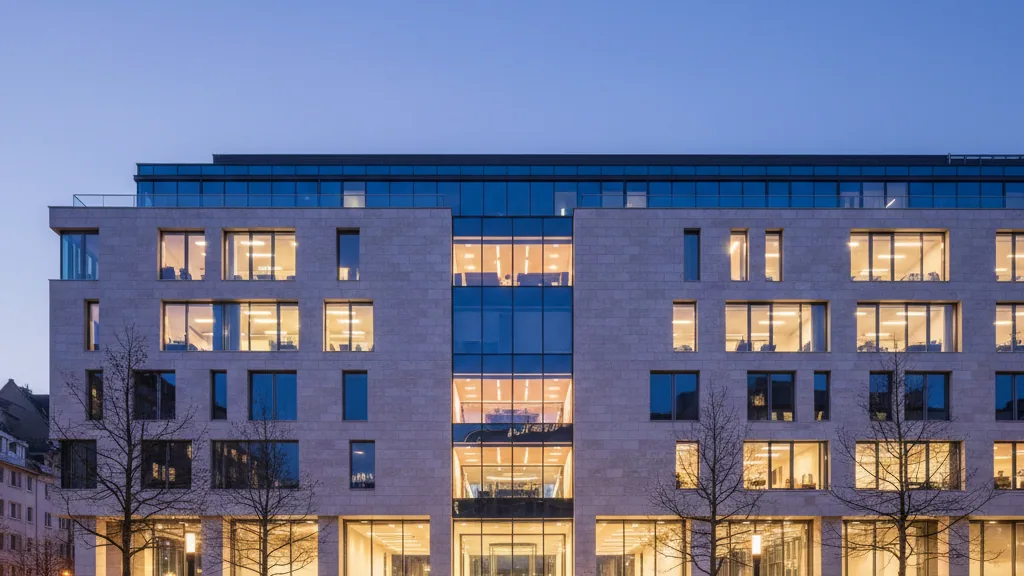
In numerous locations across Germany, there is a discrepancy between vacant or underutilised commercial property stock and a persistent demand for additional residential space. This structural situation leads to urban development challenges in many regions, as well as an inefficient use of existing infrastructure. The transformation of formerly commercially used areas into residential purposes is considered a strategic response to this development.
The initiative for the repurposing of commercial properties into residential space addresses several core problems simultaneously. It enables the reactivation of buildings that would otherwise remain unused and suffer from a renovation backlog. At the same time, such projects can alleviate the housing situation in urban and suburban areas without having to designate new construction sites. This also supports more sustainable urban development.
Funding Aspects and Programme Goals
The newly introduced funding programme aims to increase the economic attractiveness of such conversion projects and to motivate investors and project developers to implement corresponding projects. Specific incentives are created to mitigate the costs and risks associated with repurposing.
- —Financial support for renovation and conversion measures.
- —Promotion of the creation of urgently needed housing.
- —Incentives for the revitalisation of existing properties and their reintegration into the urban structure.
The implementation of this programme represents a pragmatic approach to reducing vacancy while simultaneously addressing the housing shortage. The focus on existing building conversion also has the advantage that it often takes place in already developed areas, meaning that existing infrastructure can be utilised more effectively.
Perspectives for the Real Estate Market
From the perspective of the real estate market, the programme opens up new potential for investments in existing buildings. It promotes innovative concepts aimed at the sustainable use of resources and land. The development of former commercial properties into residential quarters can thus make a significant contribution to urban renewal and increase the attractiveness of city districts.
The successful implementation of these transformations largely depends on efficient administrative processing and precise coordination among the stakeholders involved. A clear definition of funding criteria and an unbureaucratic application process are essential to achieve the desired effects on the housing market and to fully exploit the potential of dormant commercial spaces.