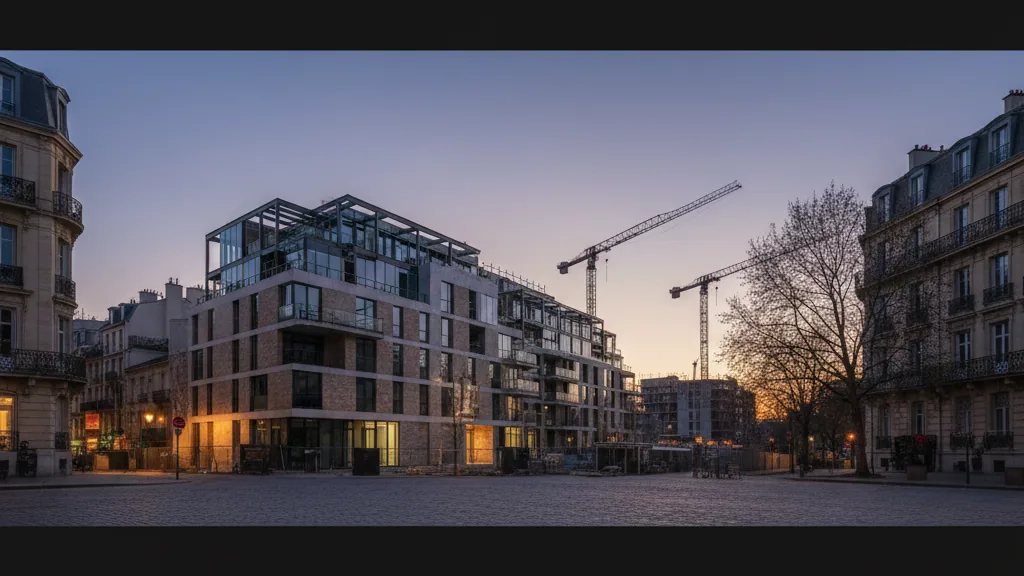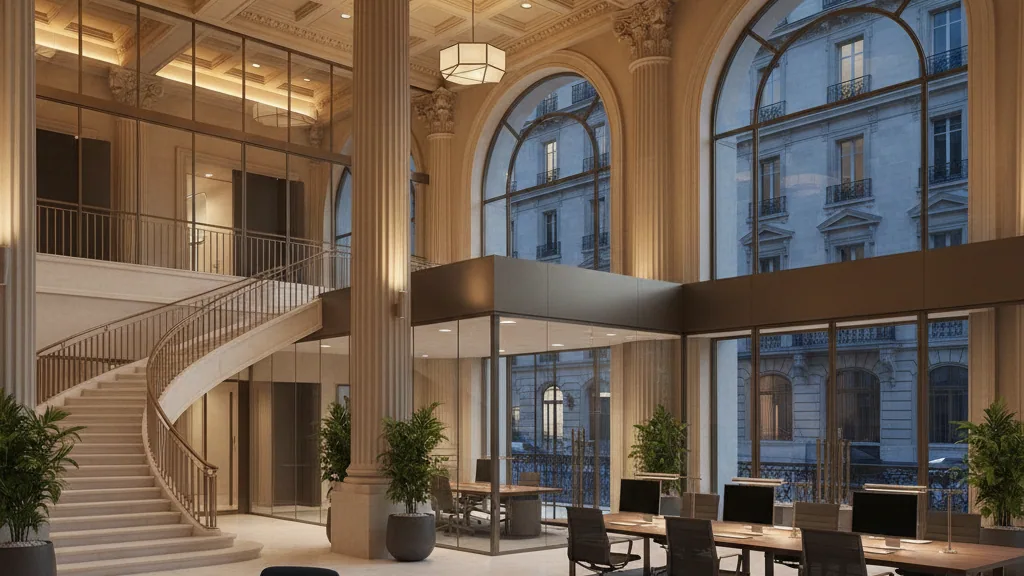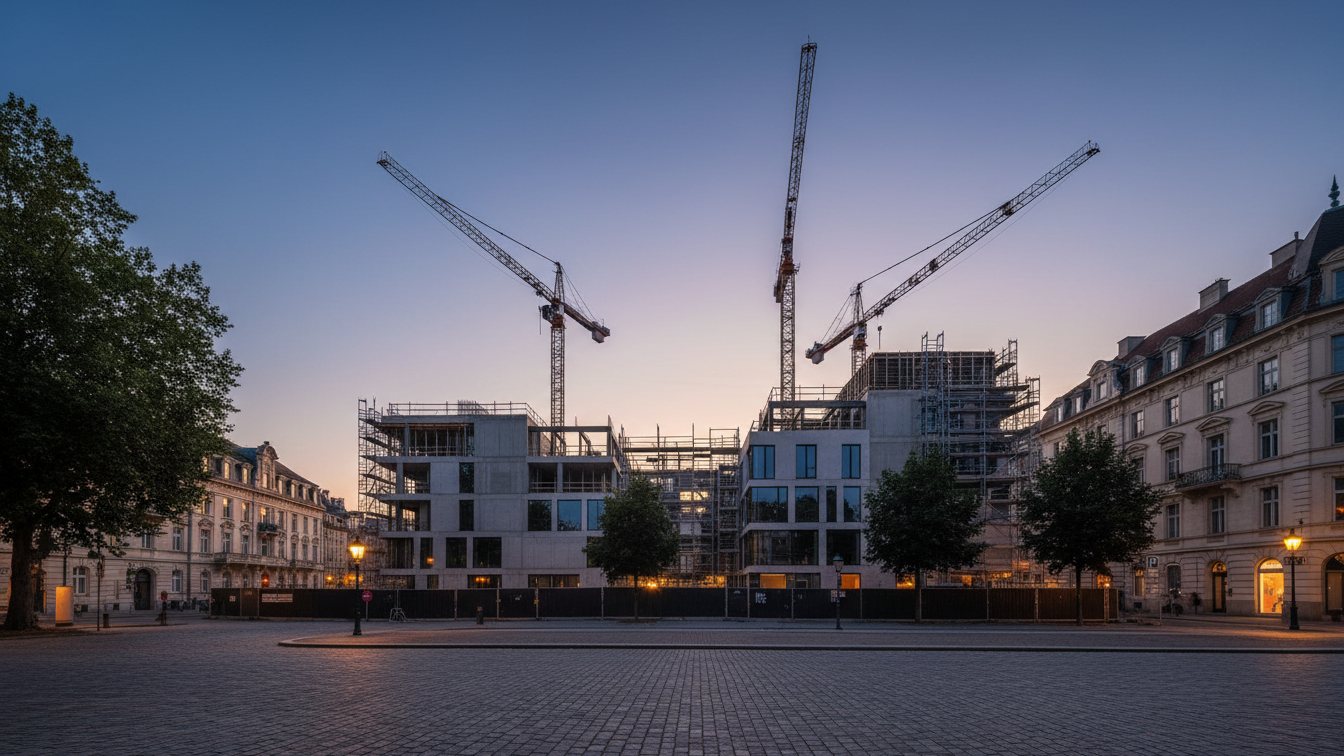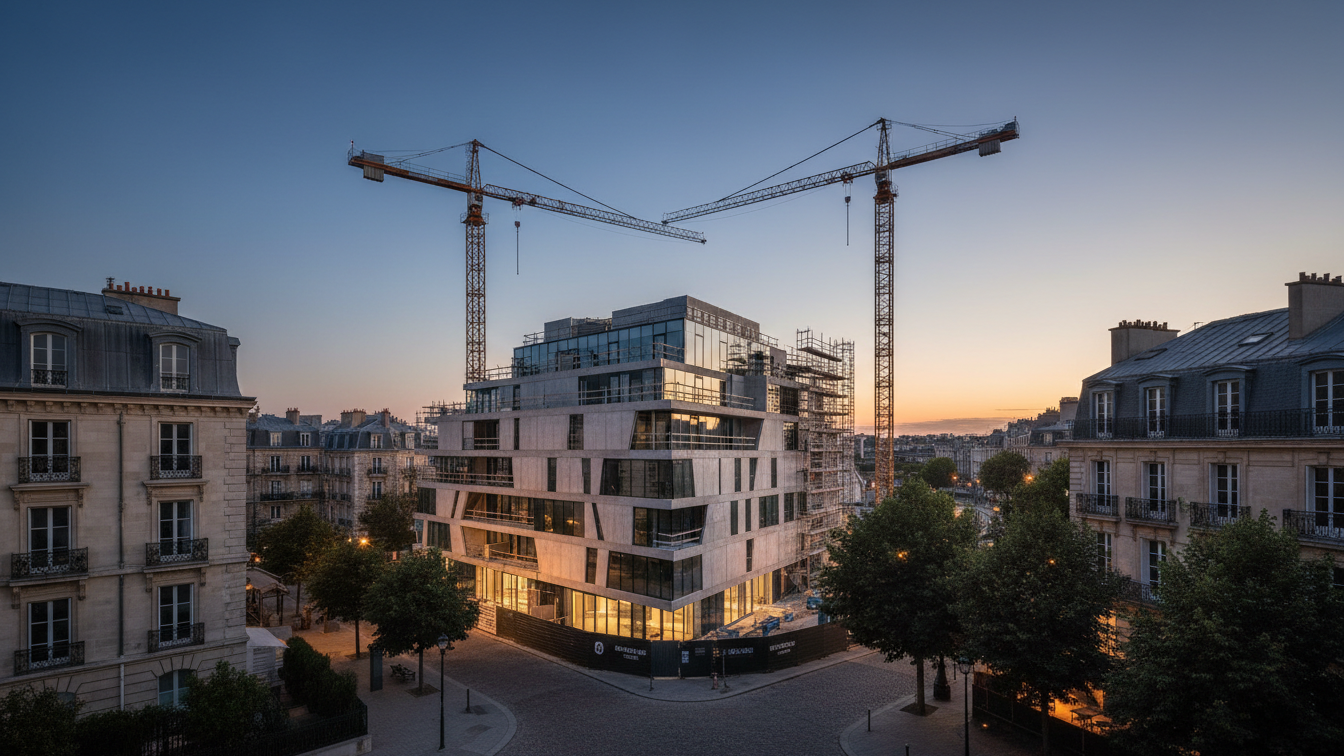
The Urban Land Institute (ULI) has responded to ongoing structural changes in Europe's city centres. At the suggestion of ULI member Midstad, the ULI's previous Retail Council has been strategically reoriented and expanded to include the aspect of mixed-use. In the future, the body will operate under the name Mixed-Use Council.
This reorientation reflects a fundamental shift in urban development. Monofunctional retail concepts are increasingly losing relevance, while mixed-use districts are gaining importance as more resilient and sustainable models. In addition to traditional retail, mixed-use concepts integrate various other types of use to achieve higher footfall, improved quality of stay, and a long-term strengthening of city centres as social and economic hubs.
Integrated concepts for urban spaces
Within the ULI network, Midstad continuously participates in specialist discussions on the future of urban development. A key focus of this collaboration is the transformation of existing inner-city properties. The goal is to develop vibrant and resilient places that generate a measurable social and ecological impact. The renaming of the Council underscores ULI's commitment to recognising current developments early and actively shaping the discourse to promote integrated and human-centred urban development.
Sabine Georgi, Managing Director of ULI for Germany, Austria, and Switzerland, explained that the evolution from the Retail to the Mixed-Use Council consistently addresses the changing demands on city centres. She emphasised that mixed-use is not a temporary phenomenon but a fundamental prerequisite for vital and future-proof urban spaces. The Council offers an essential platform to actively shape this transformation together with industry stakeholders.
Needs-based development
Dr. Kevin Meyer, Managing Director of Midstad, added that the challenges facing city centres today can no longer be solved in isolation by retail. He emphasised the necessity of holistic concepts that intelligently combine various uses and consistently focus on people's needs. The renaming to Mixed-Use Council should therefore be understood as a logical step and an important signal for the further development of the industry.
- —Work environments
- —Healthcare services
- —Educational institutions
- —Residential districts