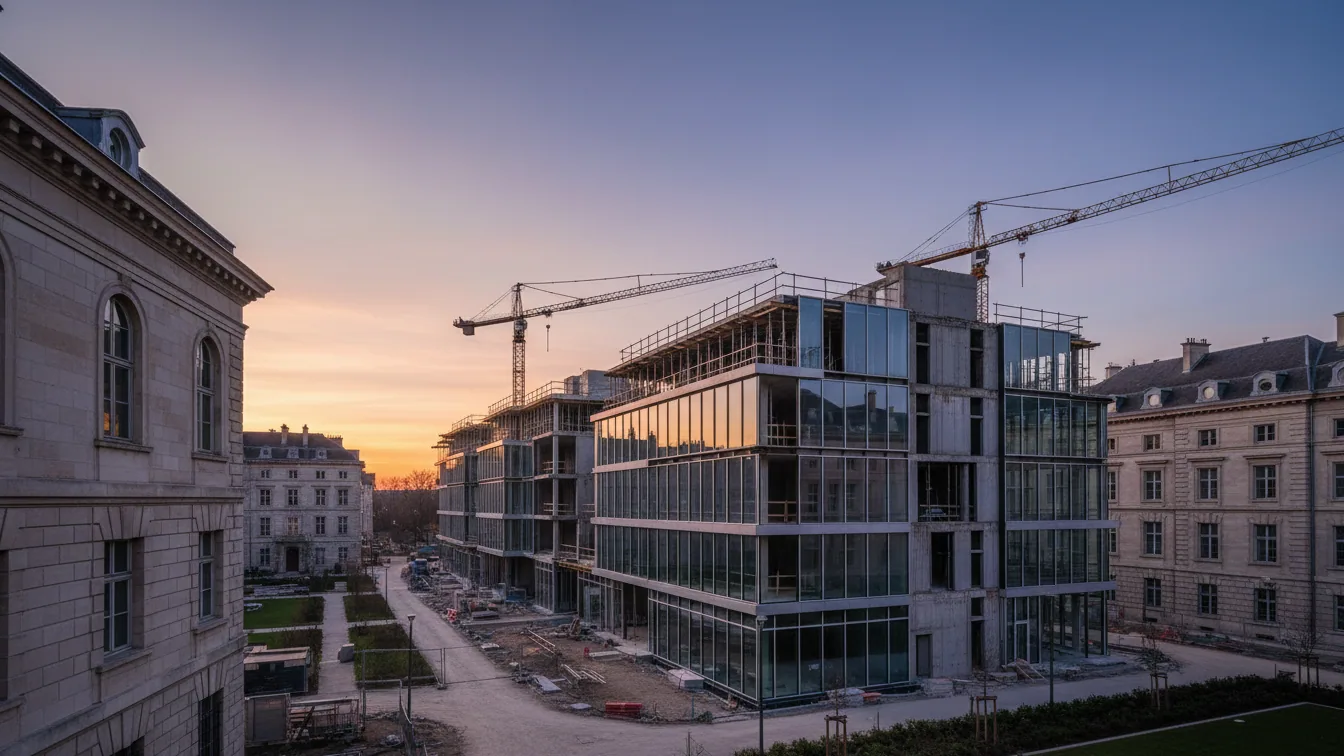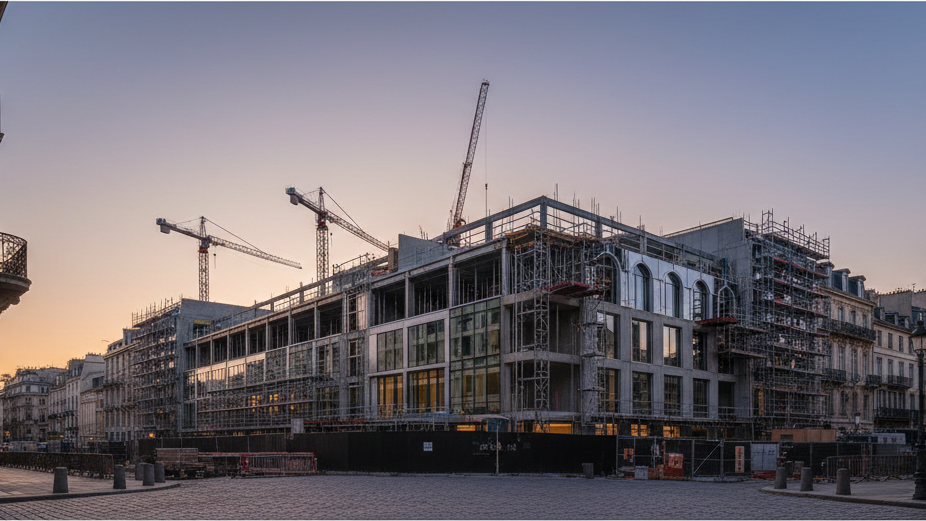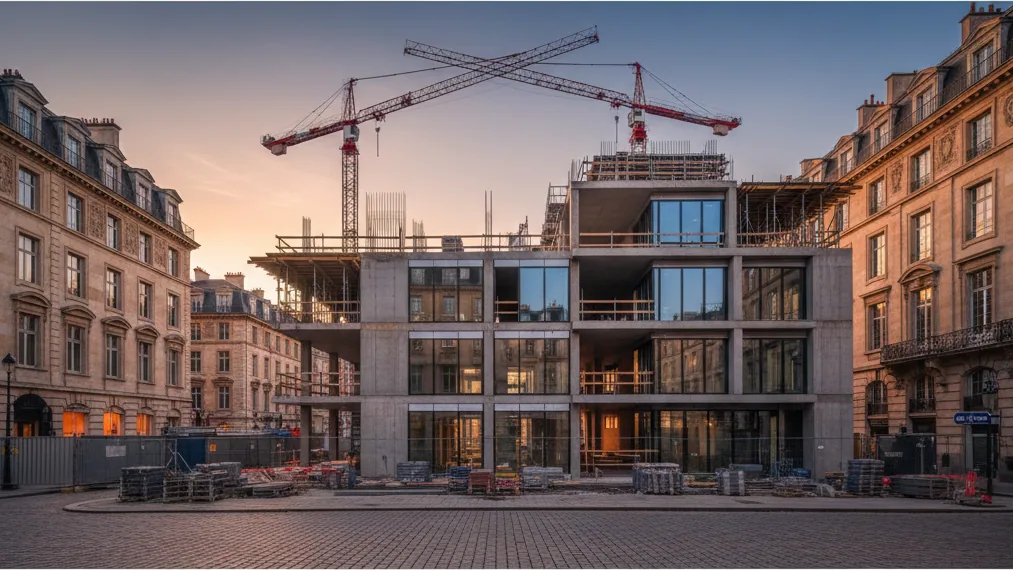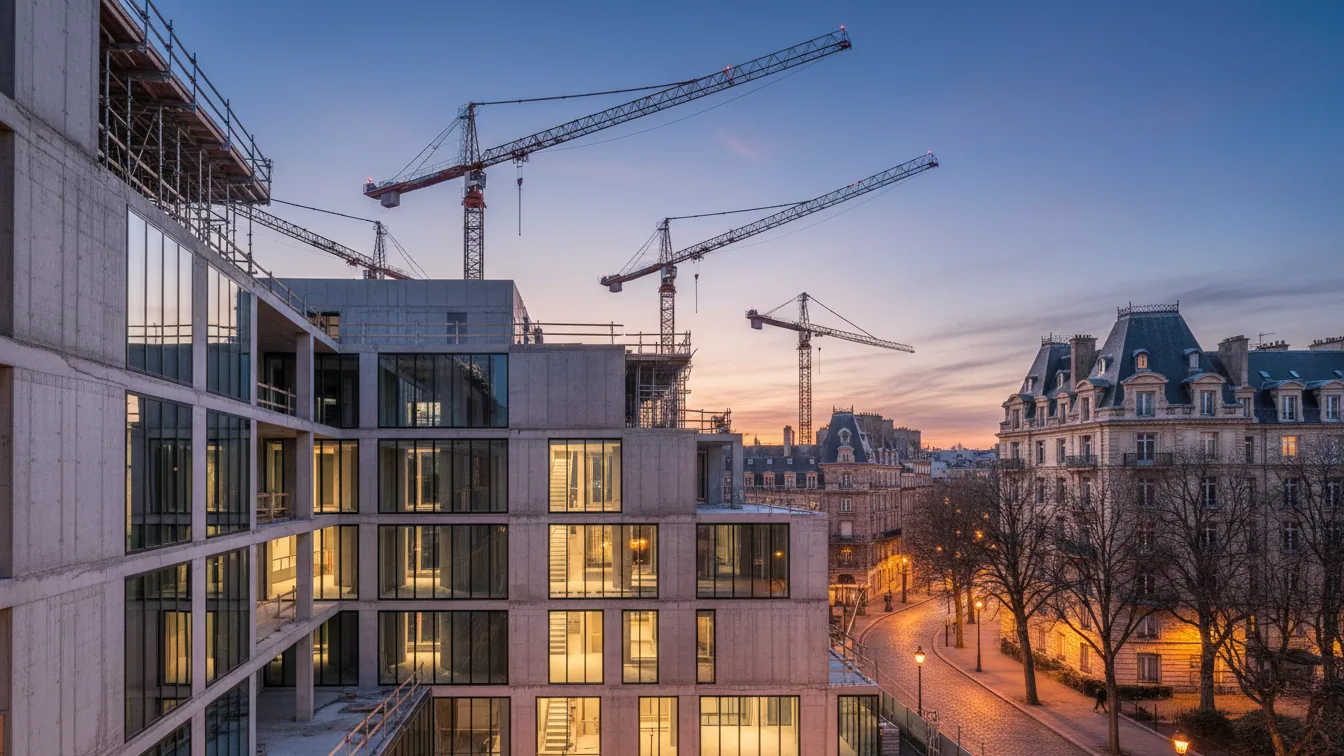
The Federal Statistical Office has published building permit figures for the first three quarters of 2026. According to the data, 190,200 dwellings were approved nationwide during this period, representing an 8.4 per cent increase compared with the same period of the previous year. At first glance, the survey indicates a slight revival in construction activity.
Although the German Real Estate Association (IVD) views the development as a positive signal, it distances itself from the assumption of a genuine trend reversal in residential construction. IVD President Dirk Wohltorf emphasised that every additional permit is fundamentally welcome, but the true benchmark must remain completed residential projects. Paper planning approvals provide no relief to home seekers as long as actual completions are lacking.
Discrepancy between planning approval and implementation
The association cites the timing of applications as a key reason for caution. The permits now granted are largely based on plans submitted prior to the interest rate rises and the debate surrounding Germany as an investment location. Consequently, the implementation of many of these projects is in doubt. The scale of the issue is illustrated by the figures for 2025: in that year, building permits for around 35,700 dwellings lapsed, marking the highest figure since 2002.
According to the IVD, the absence of tangible construction activity is driven by persistently high construction costs, escalating regulations and a lack of planning certainty. In addition, political discussions such as those concerning the socialisation of housing stock in Berlin are weighing on the investment climate and preventing approved permits from translating into actual construction contracts.
Calls for predictable framework conditions
To avert the housing construction crisis, the IVD urges a fundamental improvement in economic framework conditions. Steps to relieve private builders and investors must be implemented immediately so that new construction can once again be made financially viable. The association's core demands include:
- —The practical implementation of the construction acceleration initiative (Bauturbo) to effectively speed up planning and approval processes
- —The establishment of Building Type E as a new baseline standard for cost-effective construction with dependable quality
- —A reliable and economically attractive design of state subsidies for new construction
- —The binding implementation of the announced Pact for Homeownership
In the association's view, incremental relief is insufficient to resolve structural deficits in residential construction. While rising permit figures are a necessary start, the true success of housing policy measures is ultimately measured solely by the handover of completed homes.