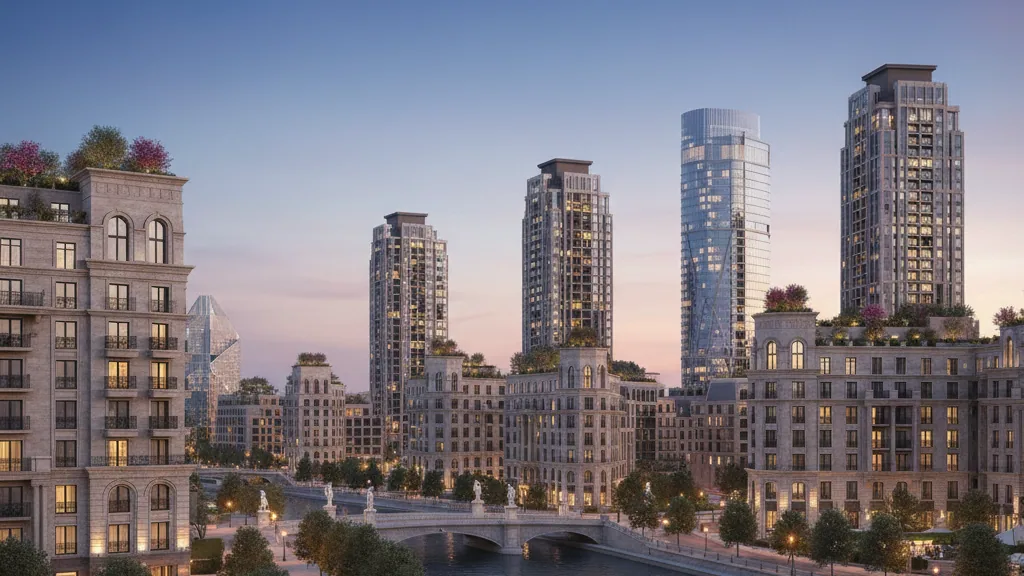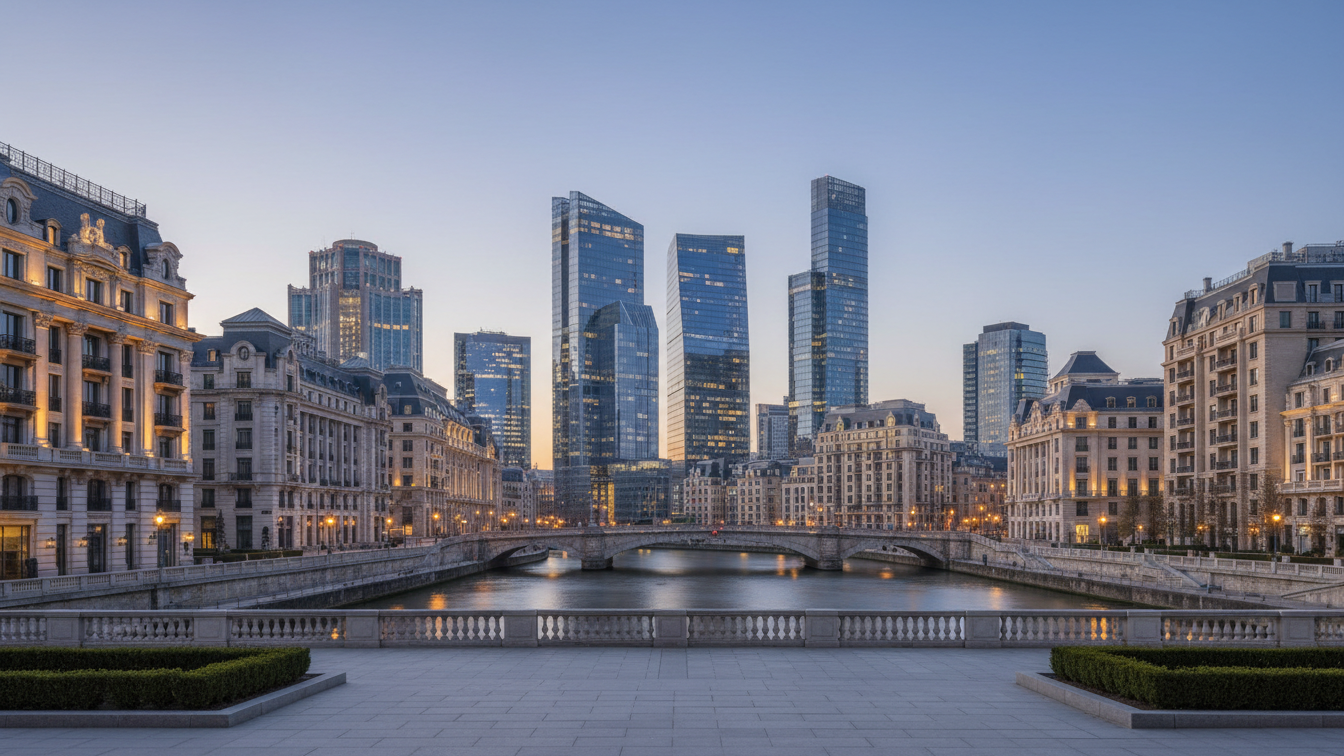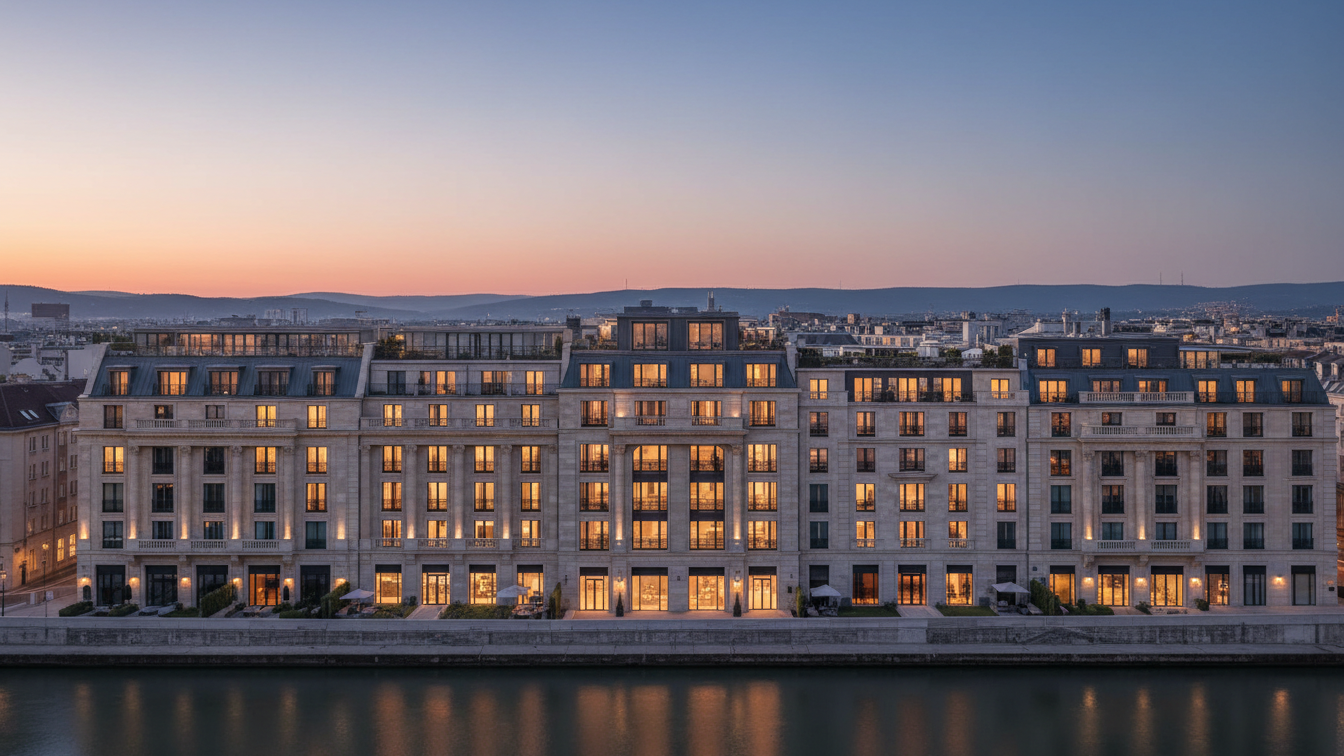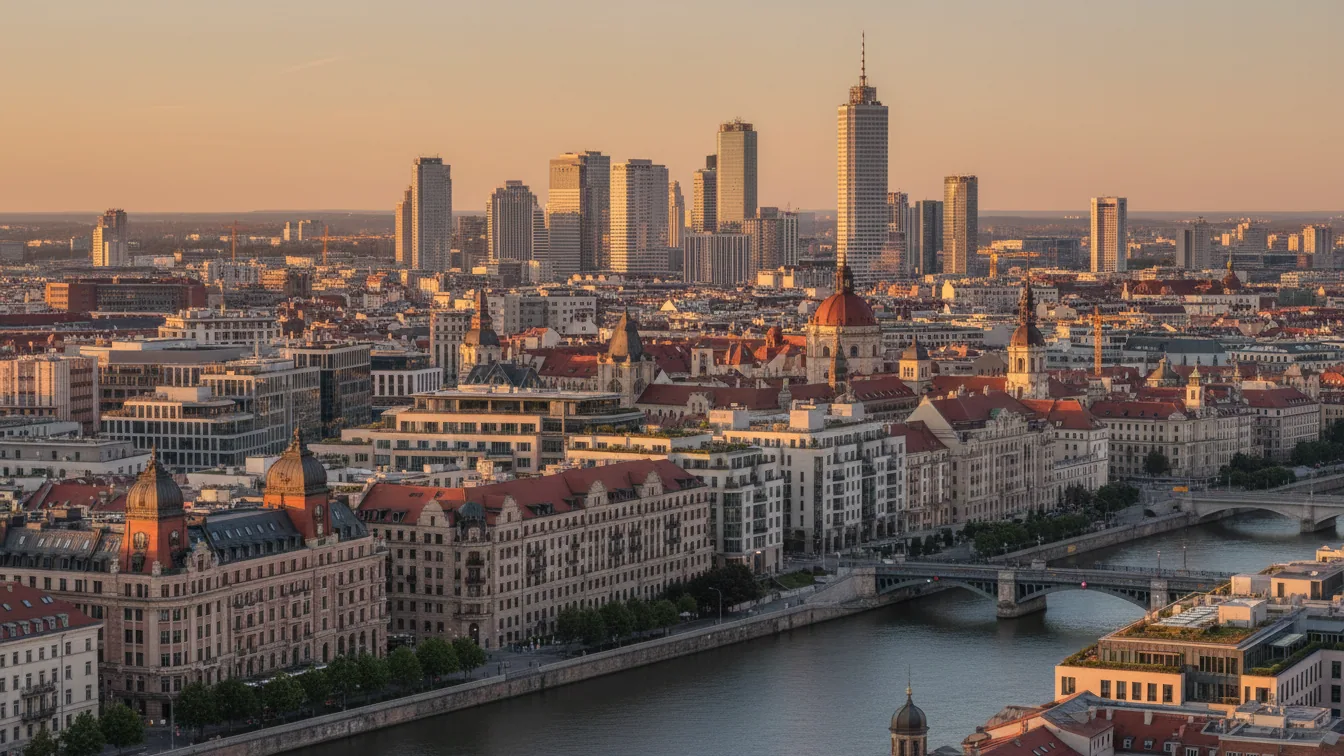
Dubai, traditionally a business location characterised by strong growth, has experienced dynamic development in recent years. Figures from the Dubai Department of Economy and Tourism (DET) show that a total of 19.59 million overnight guests were registered in 2025, representing a 5 per cent increase compared to the previous year. In addition, a quarter of a million new residents settled in the city. The presence of German companies in the emirate also increased by over two-thirds in the 2023/24 period.
These positive impulses contributed significantly to the increase in property prices. However, current geopolitical conflicts are influencing the overall situation. Tourism recorded a temporary decline, and the real estate market came under pressure. Particularly in the off-plan segment, asking prices were temporarily observed to be up to 25 per cent below the previous year's level. Property sales fell by approximately 32 per cent between February and March 2026. For a market long accustomed to high growth rates, this represents a significant setback.
Characteristics of crisis resilience
Despite these corrections, Dubai's investment capacity for international buyers is still considered viable. The location has a heterogeneous economic structure that does not rely exclusively on oil supplies. Trade, logistics, finance, tourism, and real estate form the pillars of its diversified economy. This attracts buyer groups from various regions of the world. Furthermore, developers score points with quality standards in project development, which underlines the professionalism of the market.
Another attractive factor is the tax environment of the United Arab Emirates, as no income tax is generally levied on natural persons. These conditions are important for entrepreneurs and private individuals from all over the world. The current market clean-up is seen as an important function, as it highlights the need for a differentiated approach to real estate investments. The days when an automatic continuation of past value increases could be expected are over. It is now more crucial to consider aspects such as location, property quality, target group, rentability, and a realistic purchase price.
Strategic reorientation for investors
The current situation requires a strategic reorientation from capital investors. The question of the next price increase recedes into the background; instead, the functionality of an investment, even with sideways price developments or further corrections in individual market segments, is crucial. For German investors in particular, this means a more critical examination of promised returns and a stronger focus on the substance of the individual investment. A property should therefore be acquired exclusively on the basis of compelling arguments regarding location, use, demand, and purchase price.
Dubai is thus undergoing a real stress test. However, the market shows no signs of helpless surrender to the crisis. Rather, an approximation of buyer, tenant, and tourist target groups is emerging, and a market recovery is beginning to materialise. The full confirmation of the location's crisis resilience will be measured by the development of demand, transactions, and prices after the current shock. This phase offers capital investors insightful findings on which properties are successful even without a general boom and which offers require a re-evaluation of previous expectations.