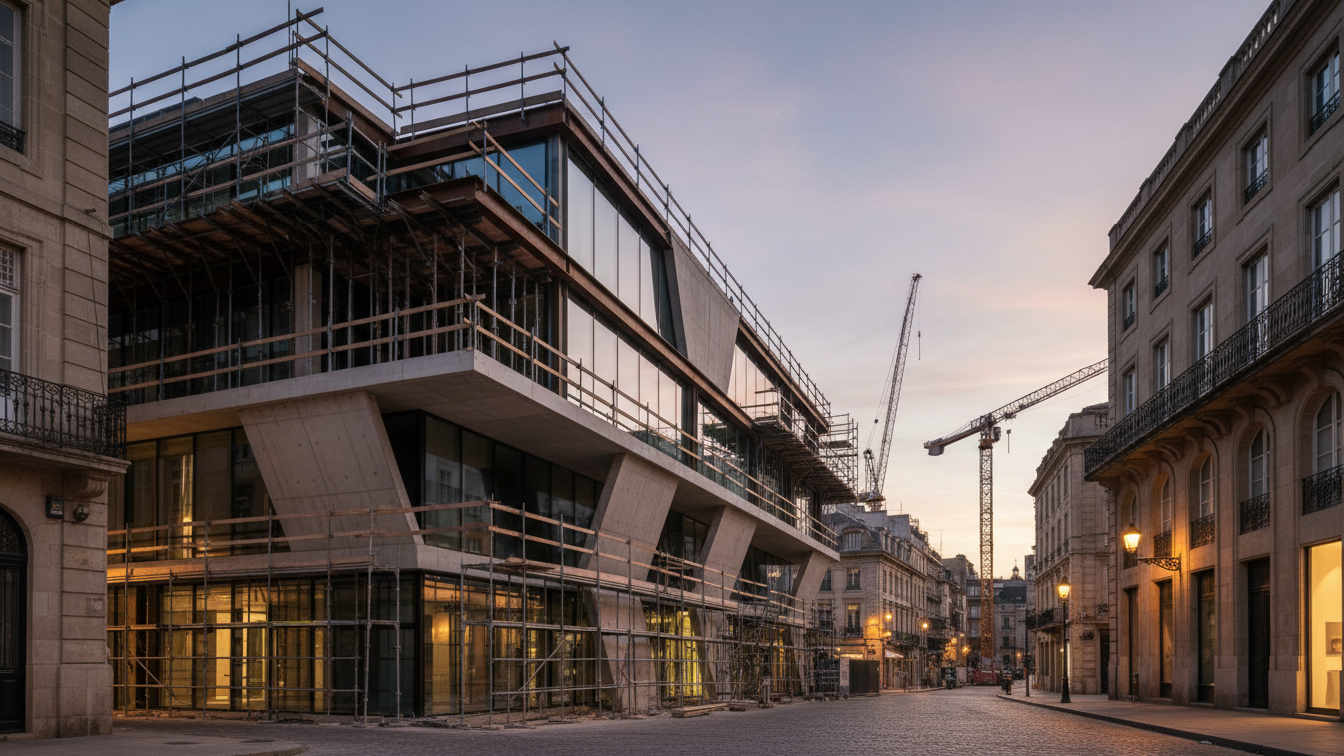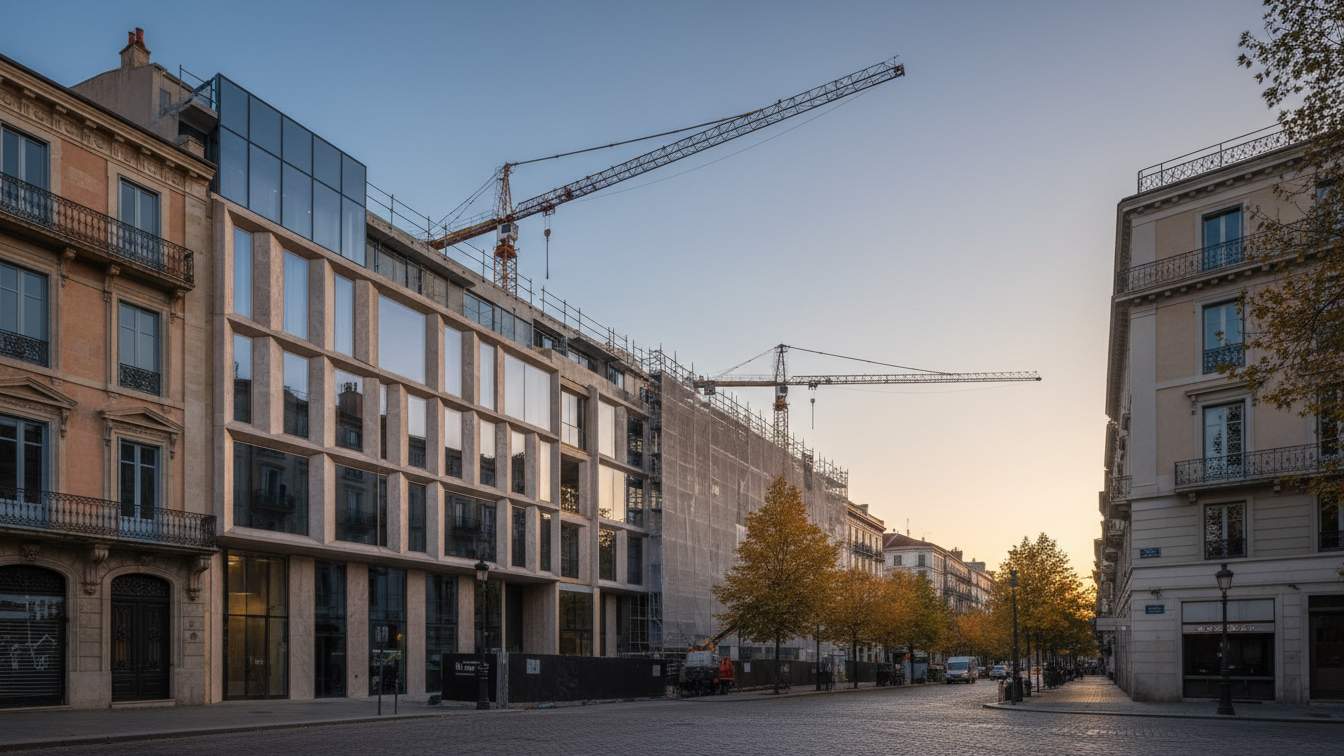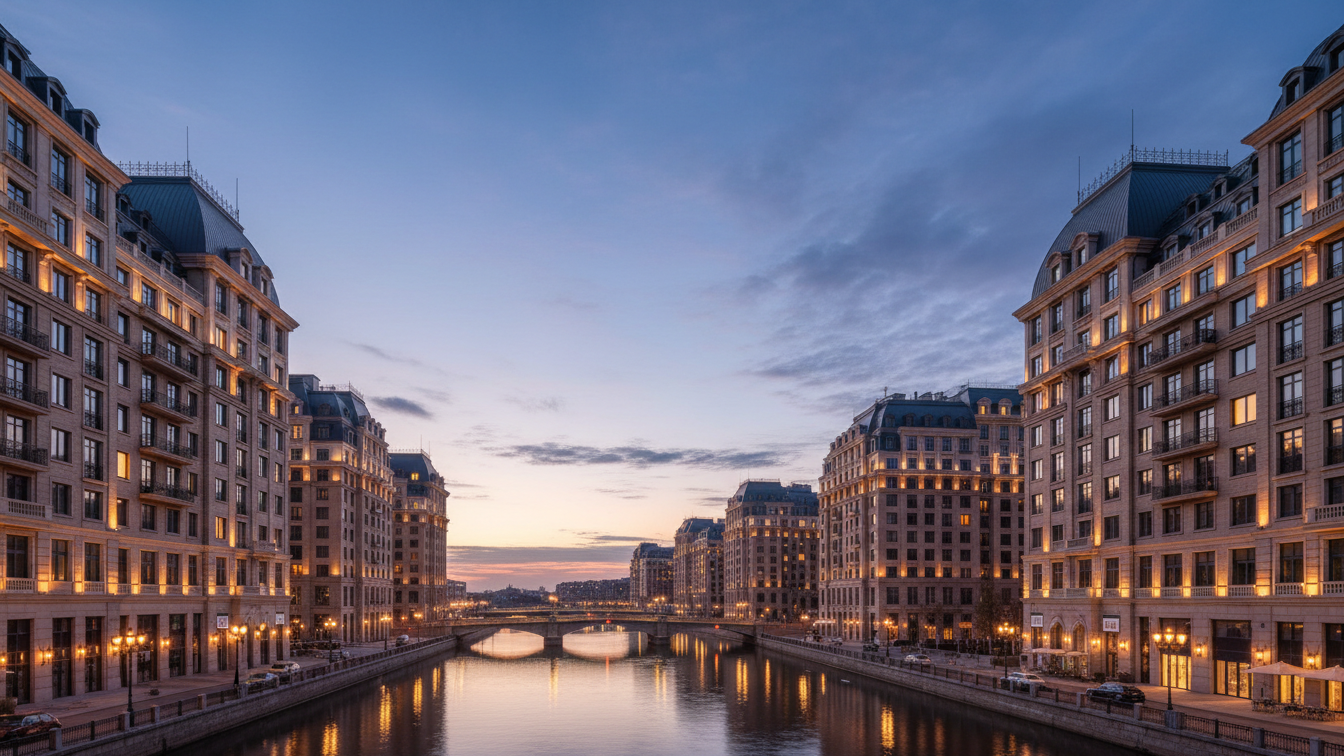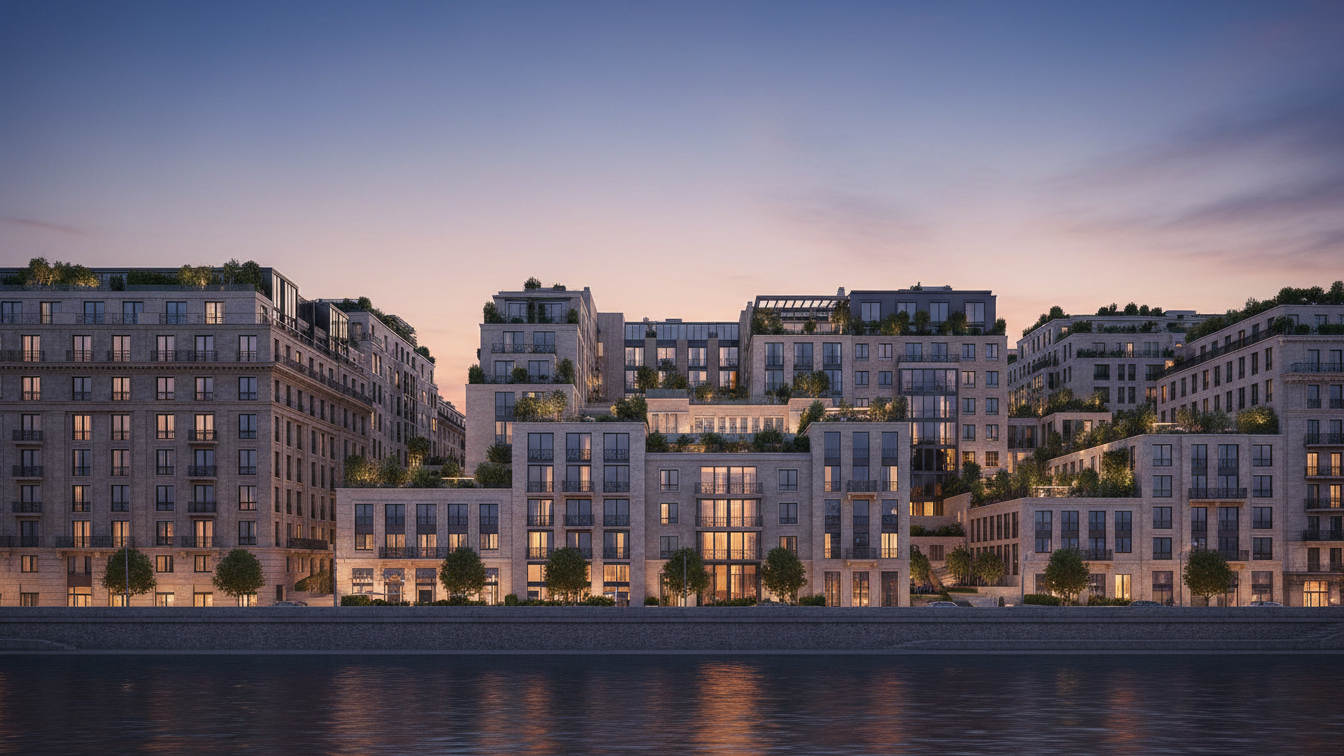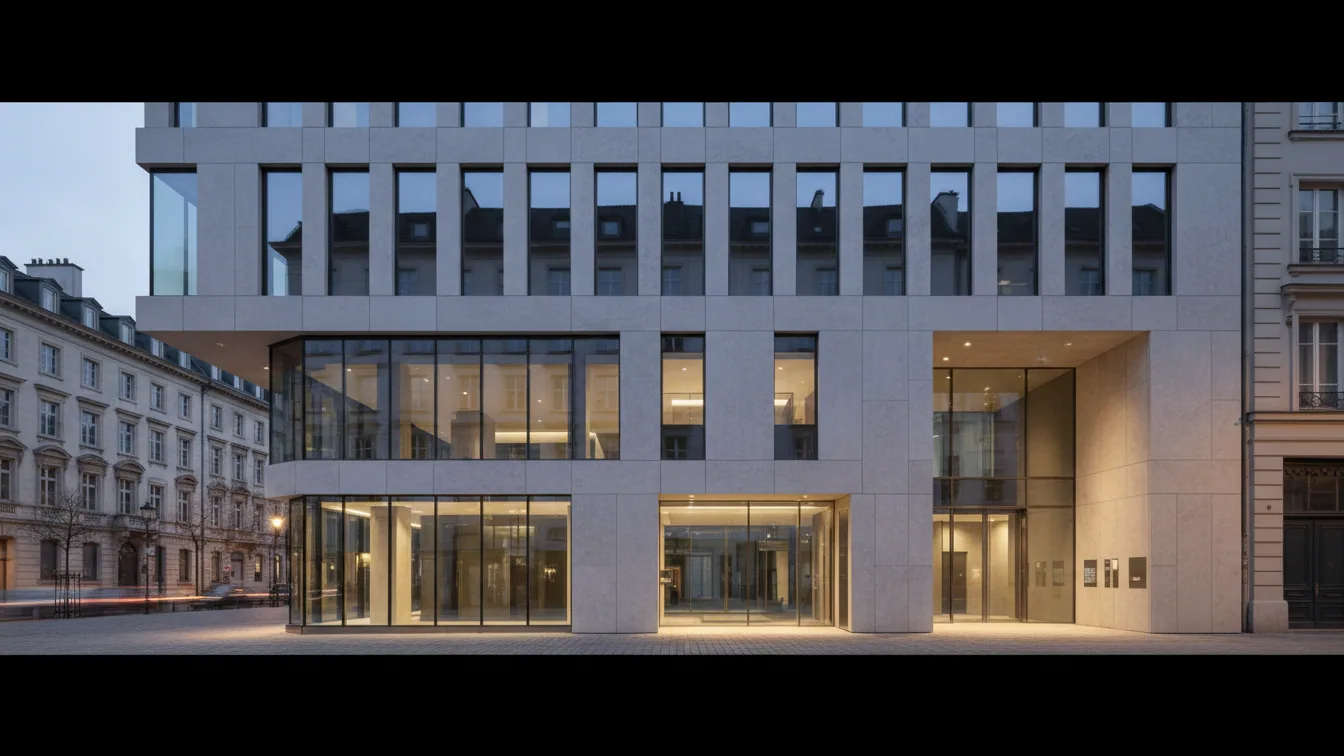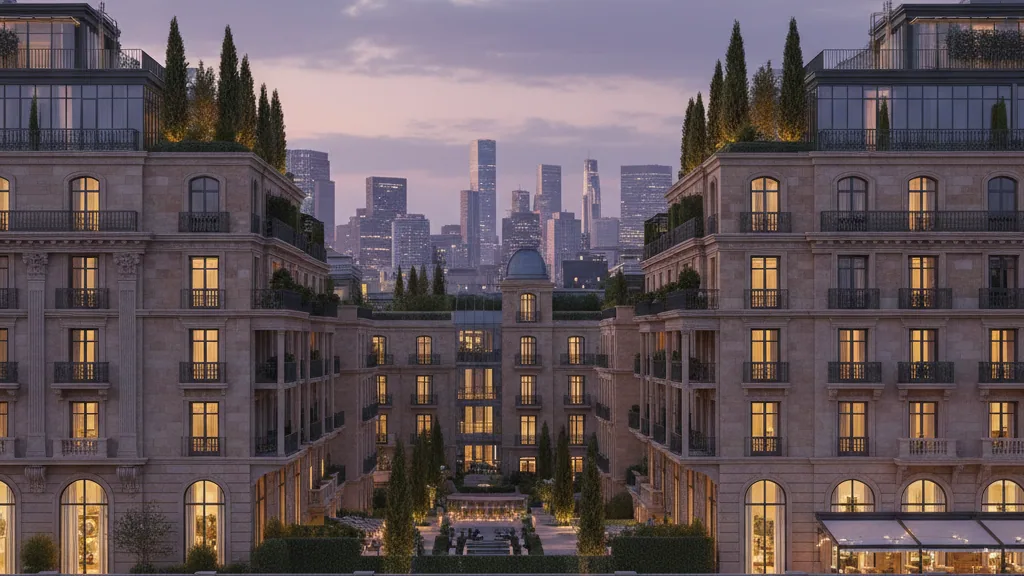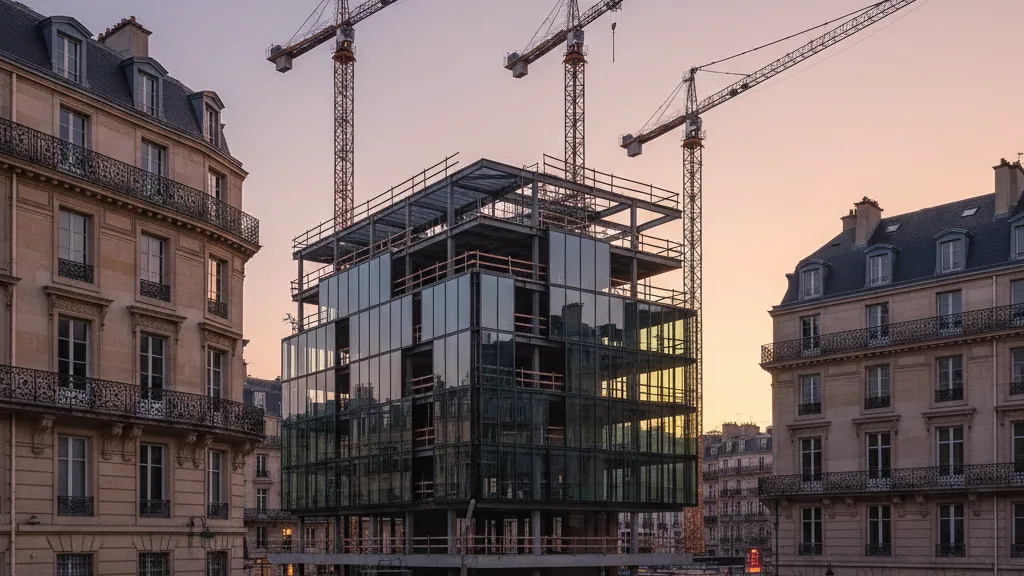
On 16 July 2026, Salvis Consulting AG and Bayernwerk Natur GmbH signed the contract for the implementation of an energy network for the Sugar Valley district in Munich-Obersendling. The concept for this district-wide energy supply system was developed in collaboration with Salvis, E.ON, Bayernwerk Natur, Alpha IC, Transsolar and GSK.
Construction work for the energy system is scheduled to begin next year. The central element is an underground low-temperature network that connects all buildings in the district. Pre-tempered water with a temperature of 15 to 25 degrees will circulate in this pipe network. Heat pumps then adjust the temperature to the specific requirements of the buildings. This principle, which avoids fossil fuels, extracts thermal energy from a medium such as ambient air or water and compresses it. The buildings also feed their own waste heat or cooling back into the network.
CO2-neutral energy supply and economic efficiency
The mix of residential, office, hotel, event and commercial spaces in the Sugar Valley district enables efficient use of the energy network. Heating and cooling demands vary depending on the building type and time of day. Surplus waste heat, for example from office buildings in cooling mode, can be made available to other buildings for hot water preparation via the shared network. Energy not immediately needed can be temporarily stored in a heat accumulator or the water reserves of the sprinkler tanks.
The power supply for the heat pumps is provided without fossil sources. A large proportion of the required electricity is generated by photovoltaic systems on the roofs of the district's buildings. The remaining demand is covered by a long-term supply contract for green electricity from external renewable sources. This ensures a completely CO2-neutral energy supply from producer to end-user within the buildings. Due to this orientation, the project receives funding under NextGenerationEU from the EU.
Torsten Bischoff, Managing Director of Sugar Valley Projektgesellschaft, emphasised that the various buildings benefit from the energy exchange among themselves. This concept, still novel in Germany, offers advantages for the climate, operations, and future residents. Tenants benefit from long-term planning certainty regarding ancillary costs, as they are largely independent of price fluctuations of fossil fuels and the CO2 levy is eliminated. Franco Gola, Managing Director of Bayernwerk Natur GmbH, described Sugar Valley as an example of the development of sustainable and economically viable energy solutions through collaborative partnership and consideration of the entire district.
District Development with Platinum Certification
The energy network concretises a claim to CO2-neutral operation of the entire district, which was stipulated from the outset in Sugar Valley's 100-point plan. The LEED-ND Platinum certification already awarded to Sugar Valley comprehensively assesses this district-wide approach. The energy network thus serves as the technical basis for realising this claim in daily operation. The involvement of Alpha IC in the certification and Transsolar in the energy concept illustrates the interdisciplinary collaboration to transform a sustainability goal into a contractually secured and realised system.
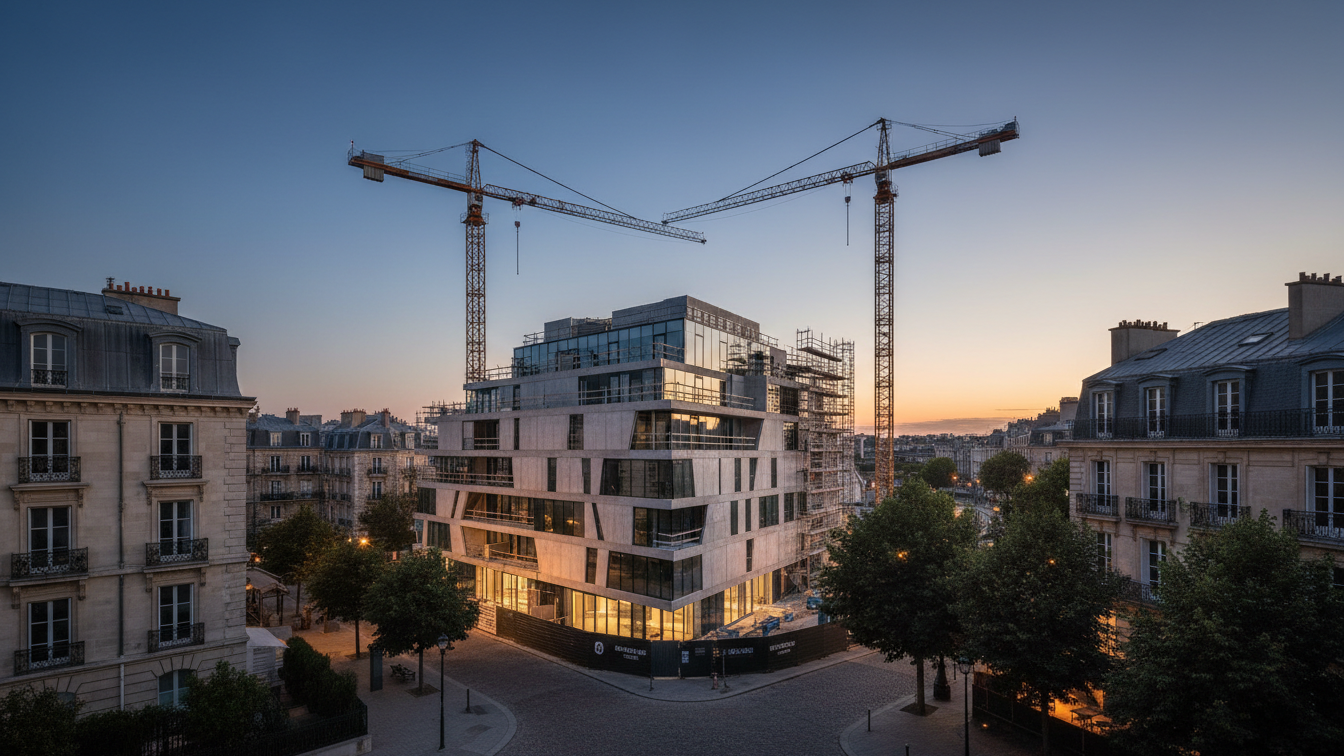
The Sugar Valley district is being developed on the former concrete works and Siemens site in Munich-Obersendling. It is a mixed-use district with a rental area of approximately 160,000 square metres for offices, residential units, gastronomy and cultural facilities. The concept is characterised by short distances, with everyday amenities within walking distance and motorised traffic exclusively routed underground. Sugar Valley is the first district in Germany to be awarded LEED Neighbourhood Development Platinum certification and to be supplied entirely with fossil-free energy.