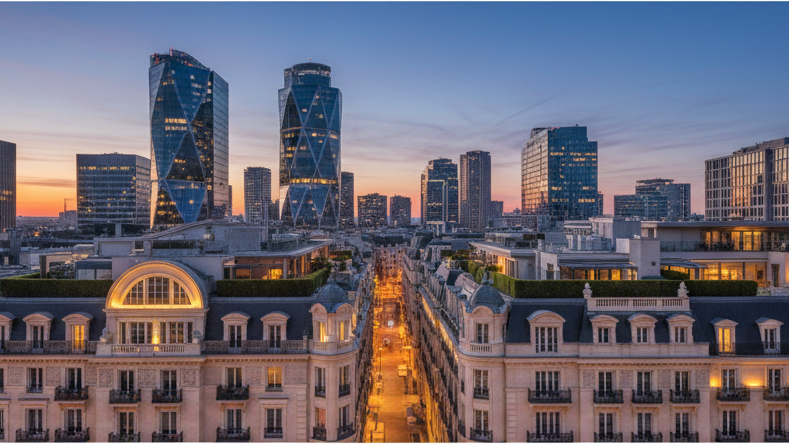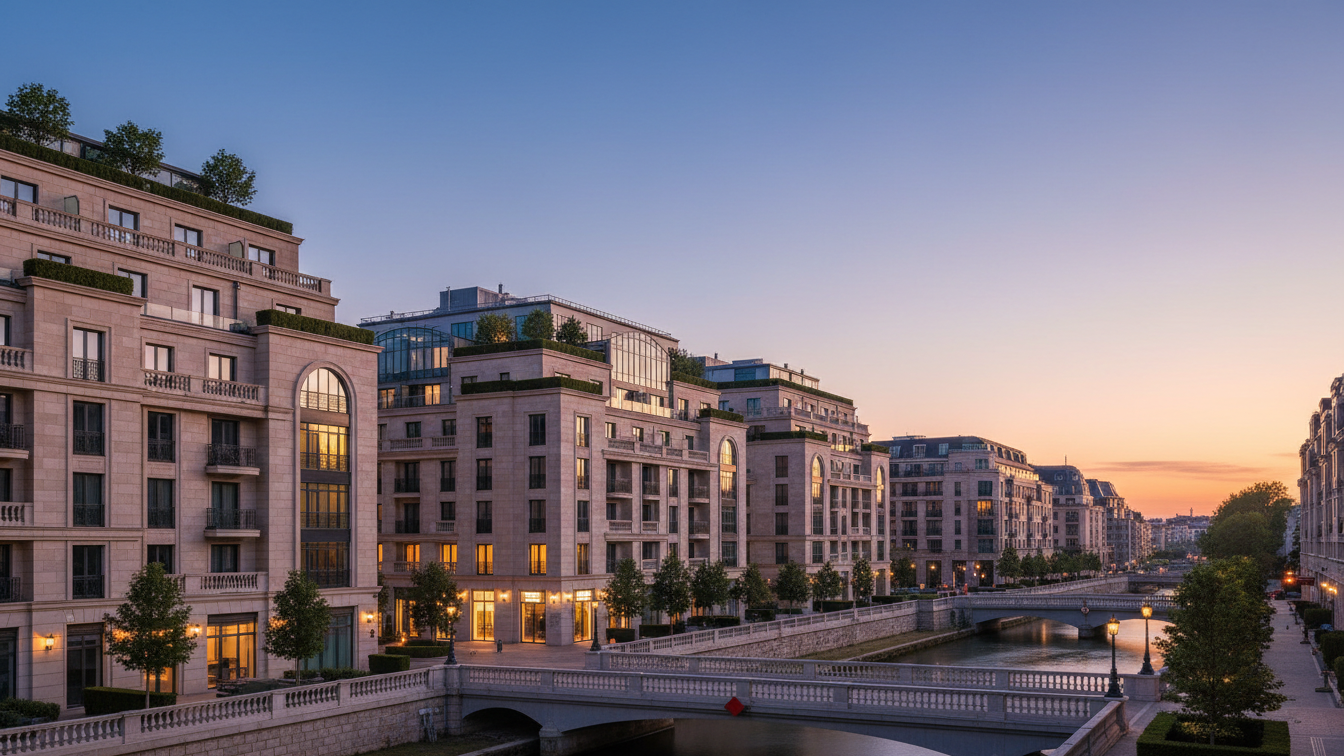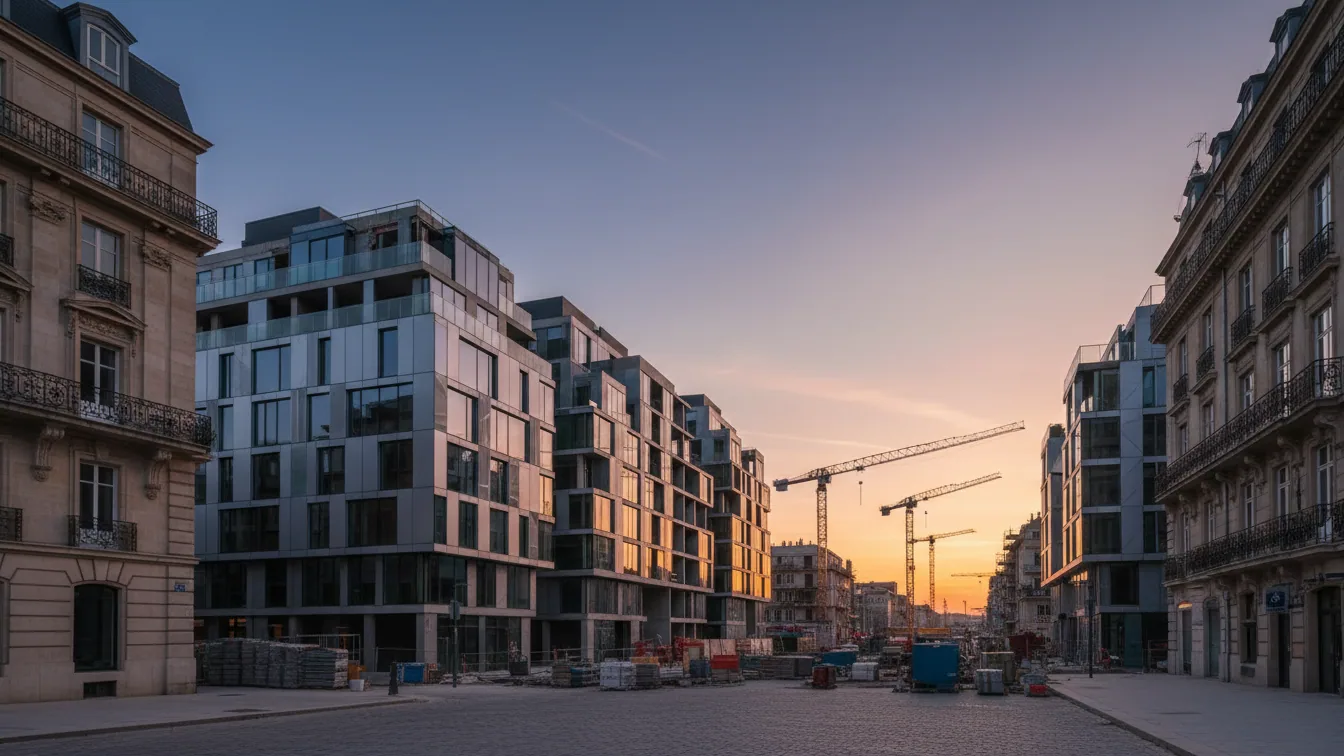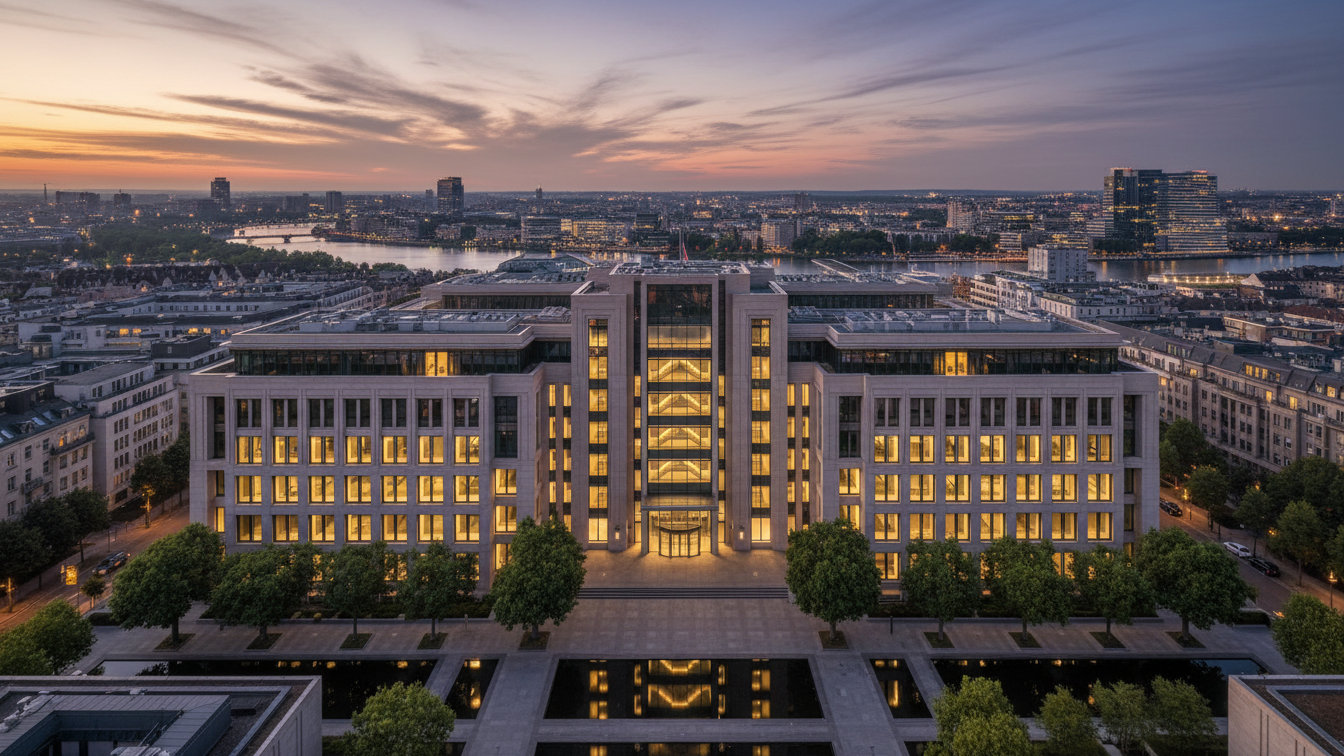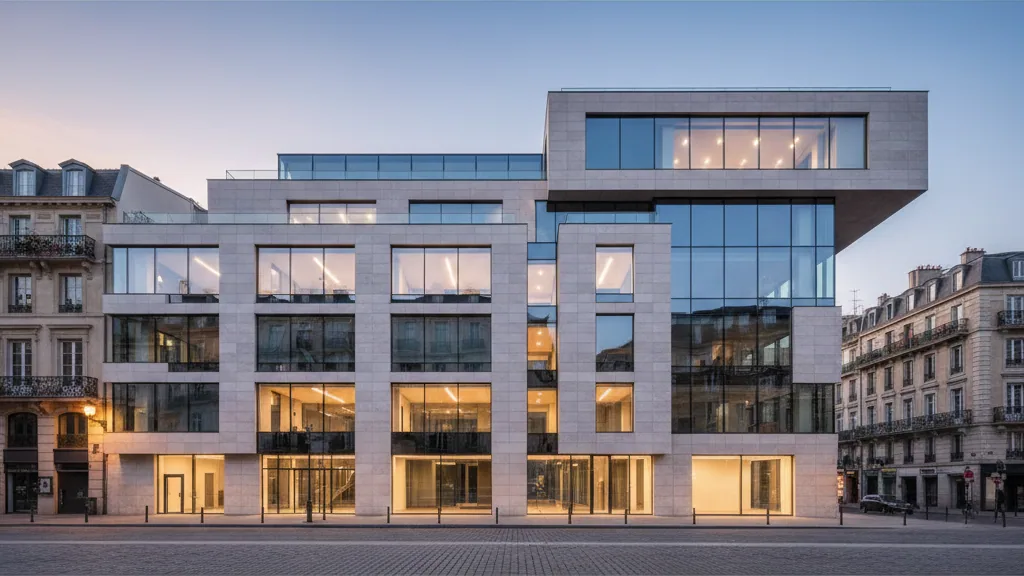
The question of the long-term viability of built structures is steadily gaining importance in urban development. Developers face the fundamental task of designing buildings in such a way that they fully meet the demands of their users even over a time horizon of ten or twenty years. Since the life cycle of real estate far outlasts short-lived cycles, functional adaptability must be incorporated from the outset.
At the centre of these planning considerations are changing working and living requirements. The strict separation of functions is noticeably losing relevance in urban areas. Neighbourhoods and individual properties now call for concepts that harmoniously combine new ways of working, changing family structures, and the desire for flexible use options.
Adaptable spatial structures as the key to value retention
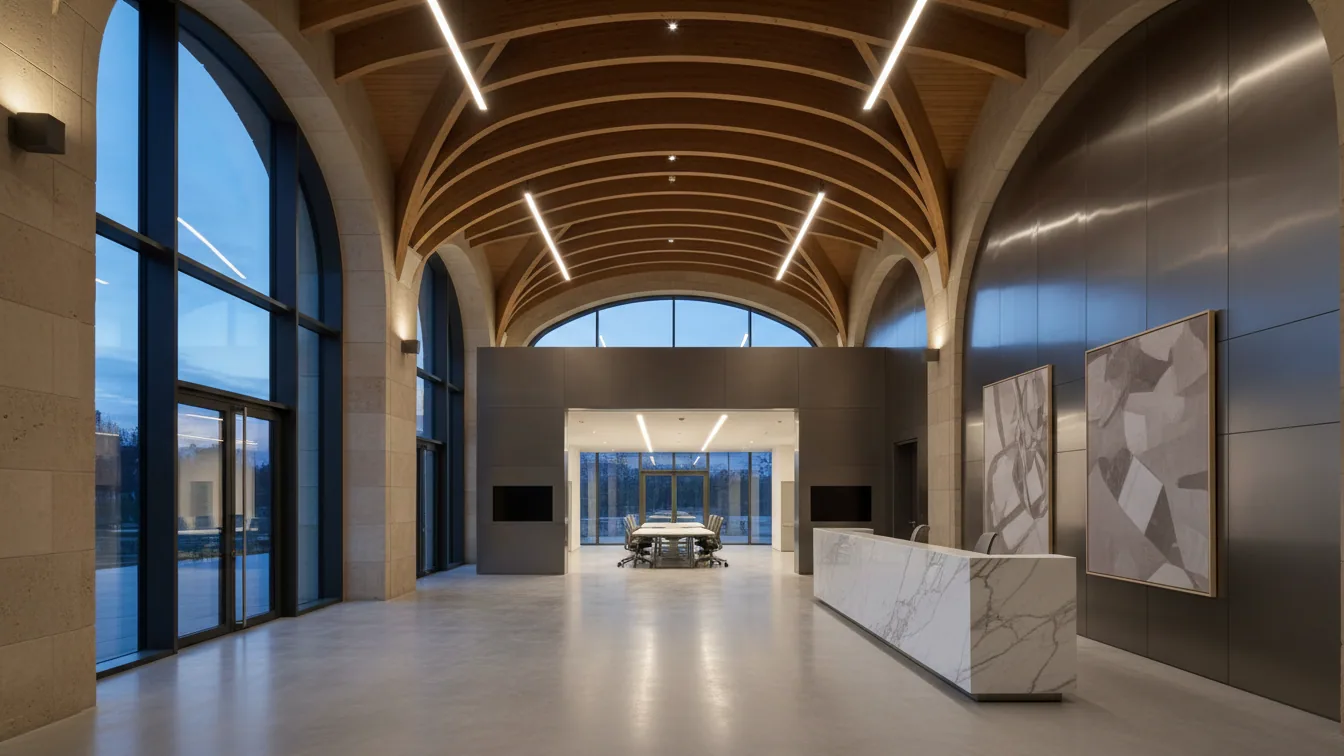
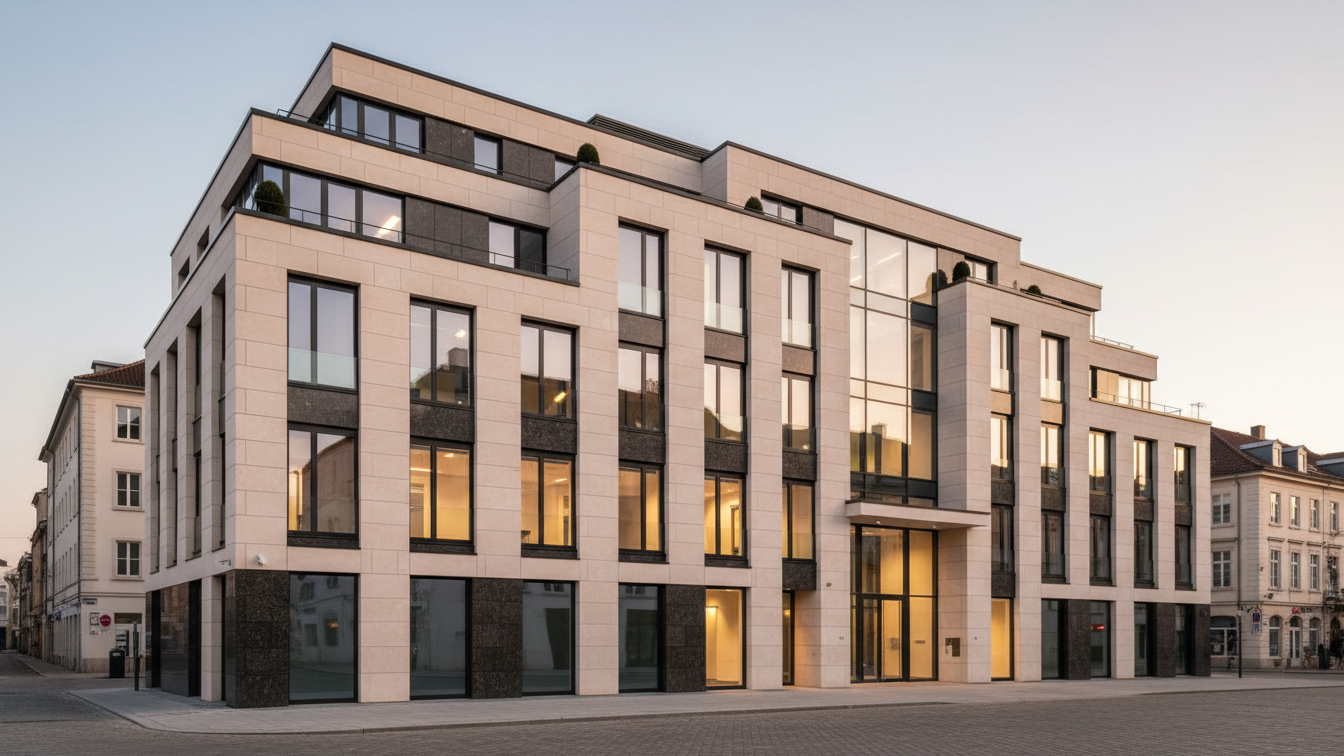
For future generations of buildings, structural flexibility is proving to be a decisive quality feature. Floor plans that can be adapted to modified life stages or commercial requirements with minimal structural effort offer reliable protection against premature vacancy. Across the residential segment as well as office and mixed-use properties, there is a growing recognition that static spatial concepts often no longer meet the needs of modern users.
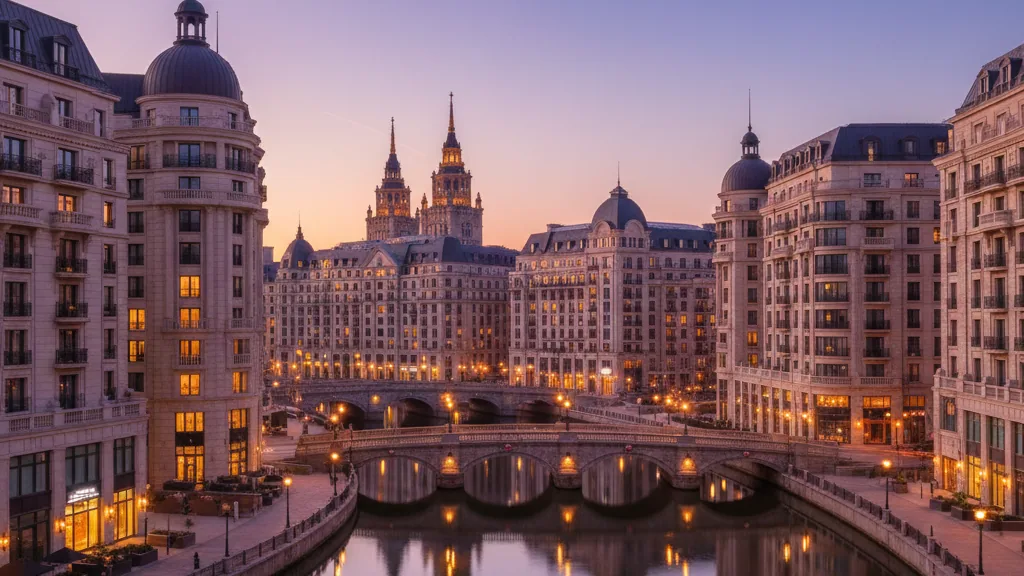
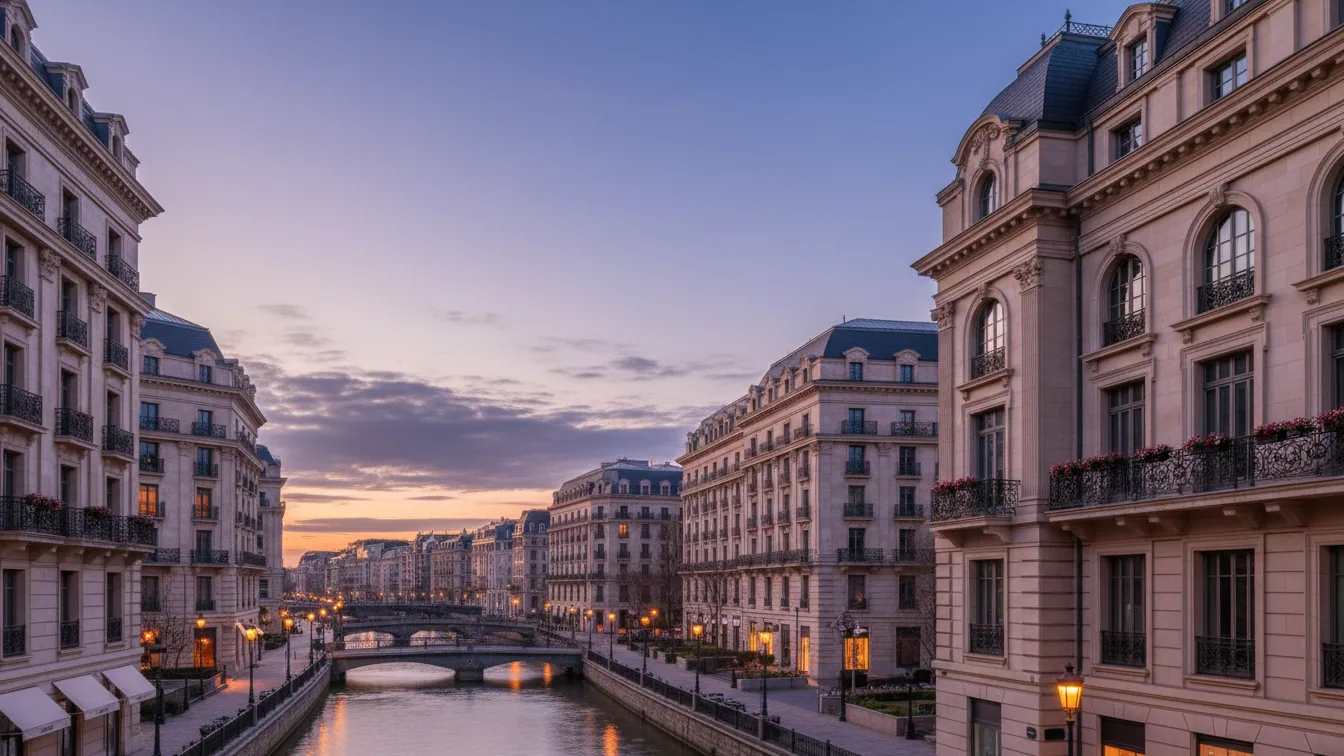
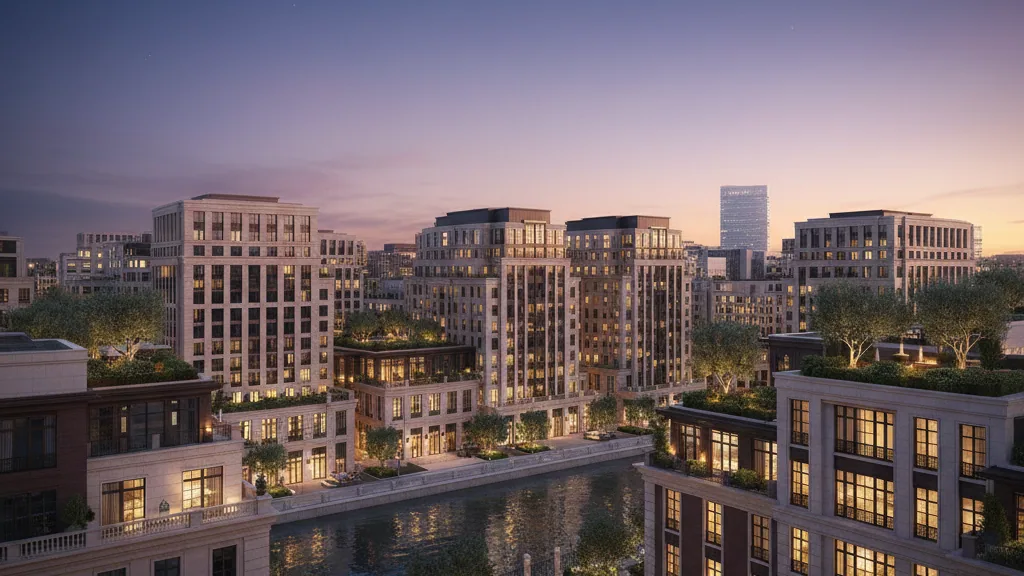
Alongside internal spatial layouts, the integration of properties into the immediate neighbourhood context is coming to the fore. Successful developments do not view building structures in isolation, but create links between private retreats, communal meeting spaces, and functioning local amenities. This context largely determines whether a location retains its appeal over decades.
Core elements of future planning approaches
- —High flexibility of floor plans for straightforward adaptation to changing life stages
- —Close integration of living, working, and neighbourhood-related infrastructure
- —Long-term usability of building fabric across multiple market cycles
Responsible developments are therefore increasingly focusing on solutions that combine robustness with high capacity for transformation. Those who incorporate the future requirements of users into the design at an early stage safeguard the relevance and value retention of properties for decades to come.