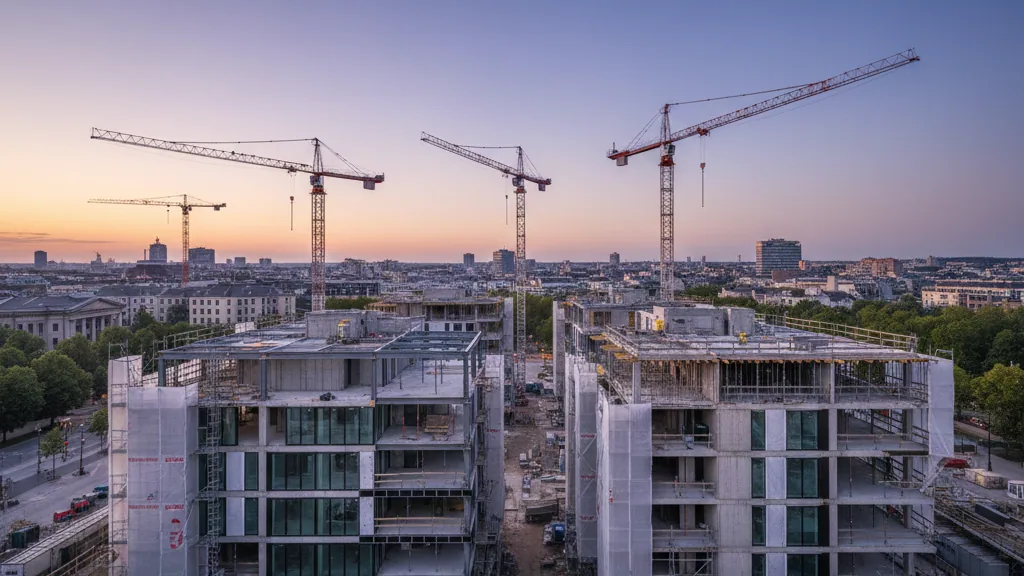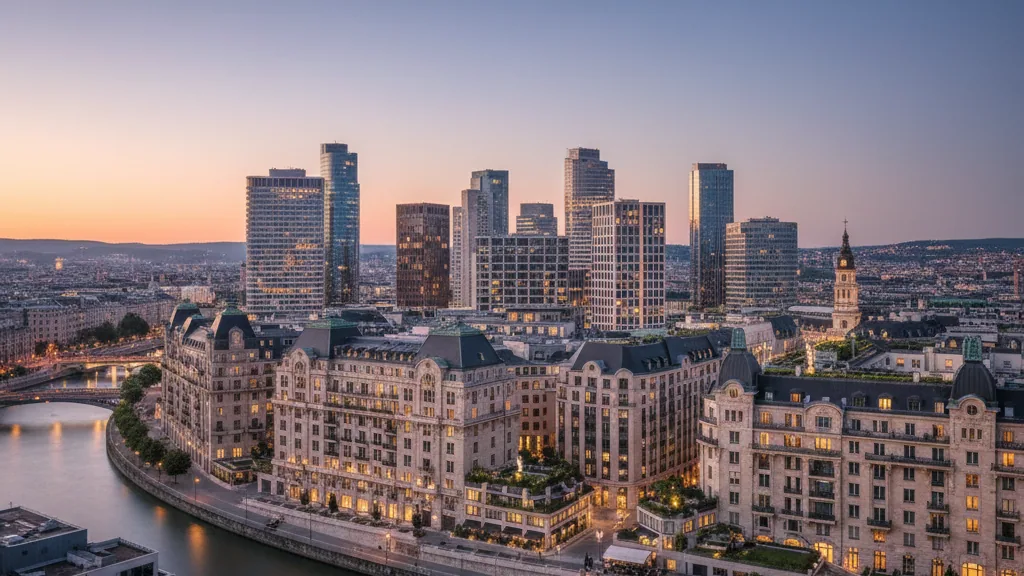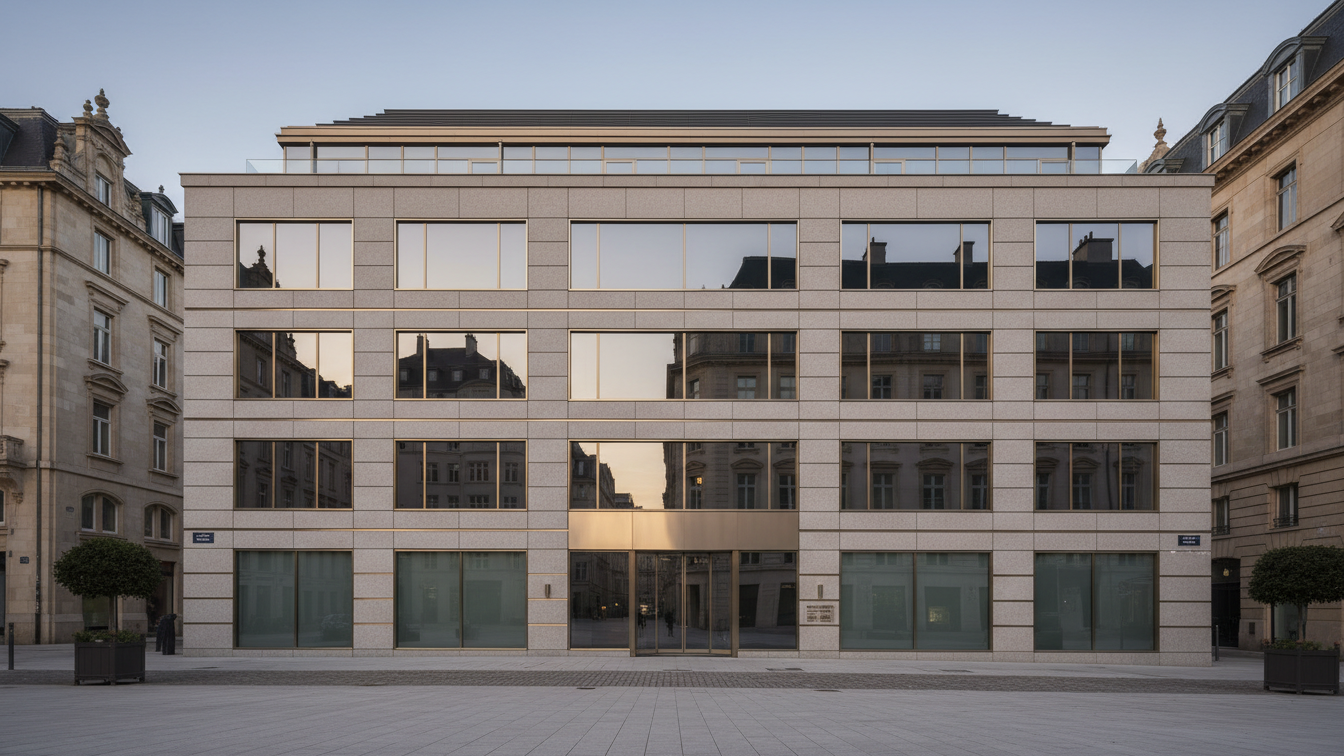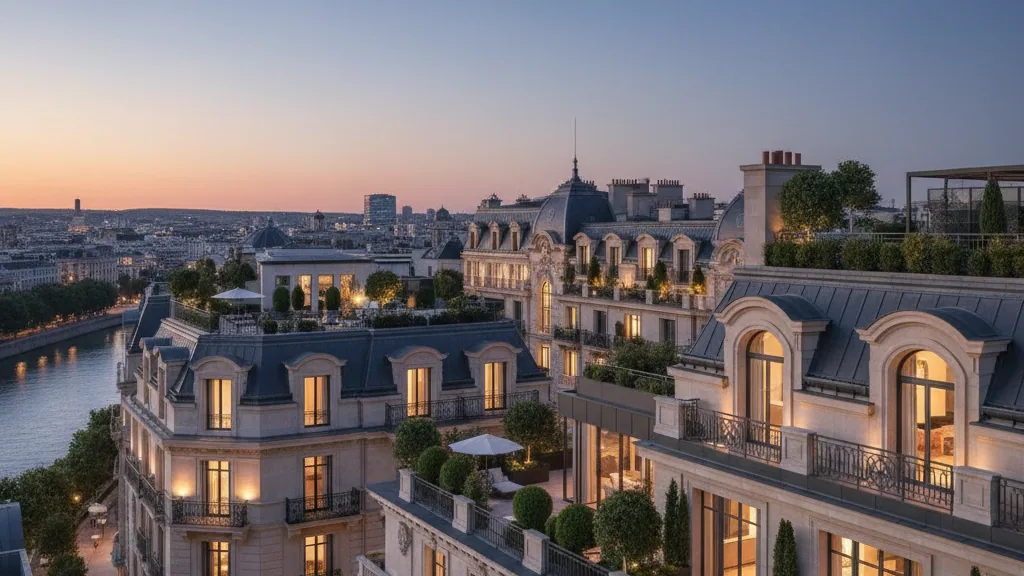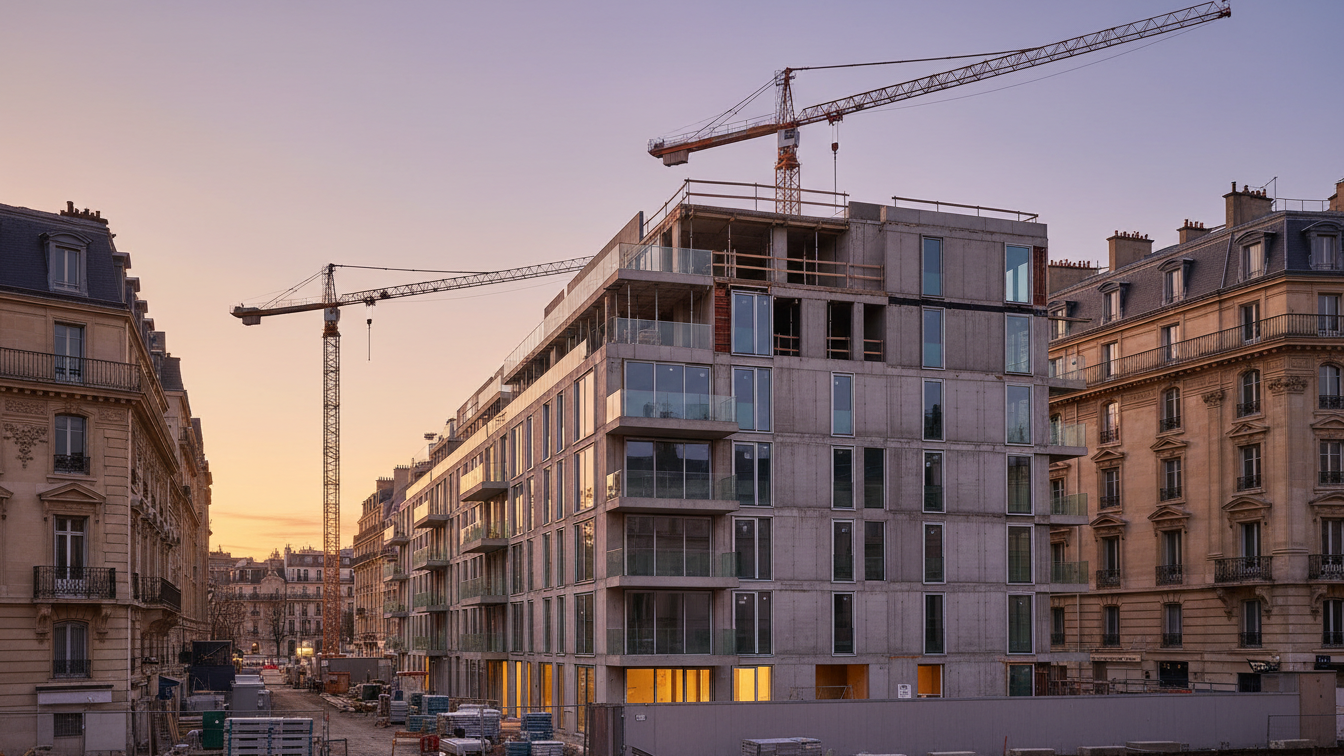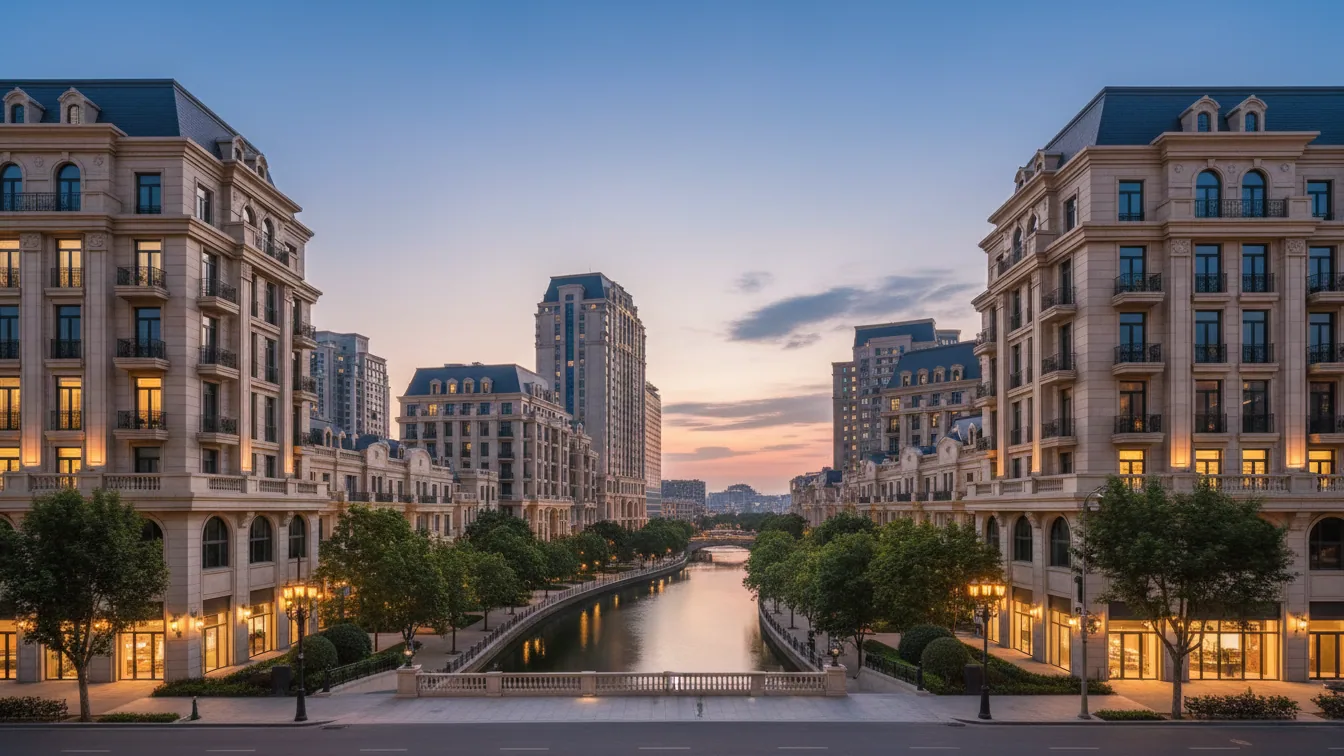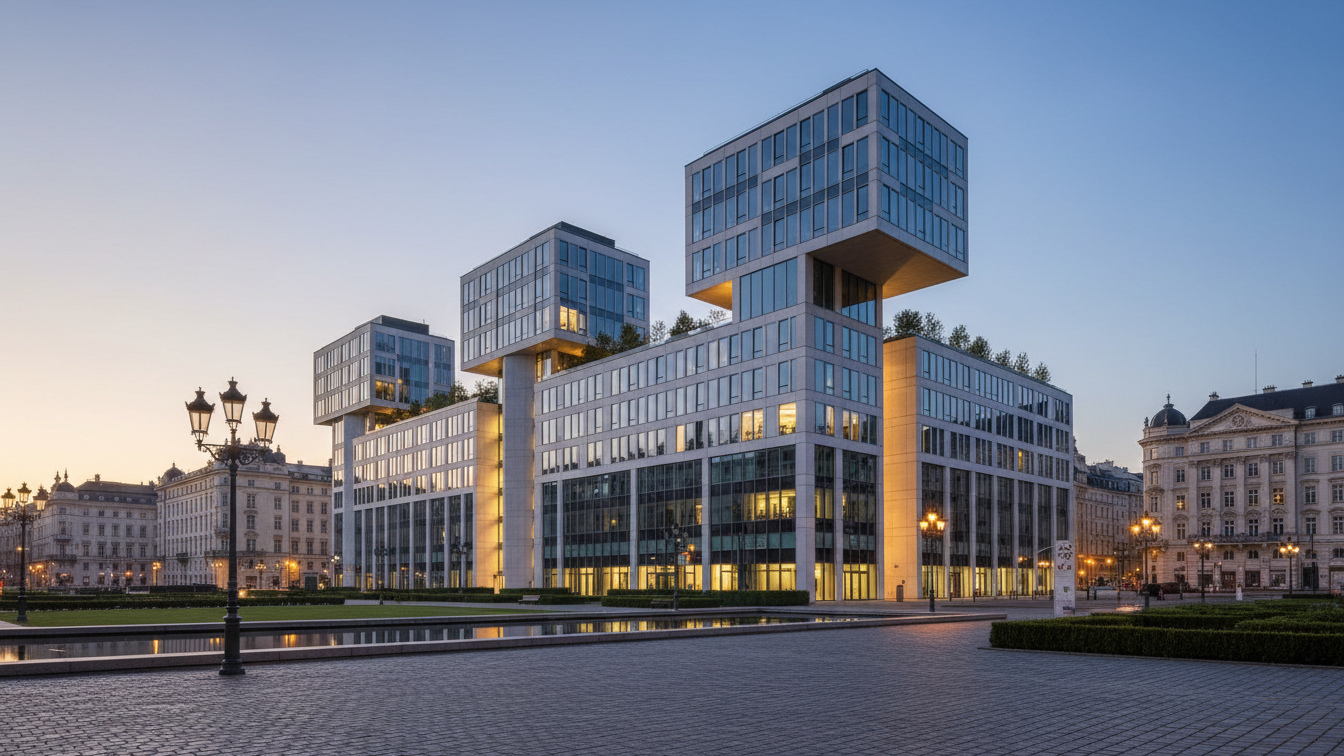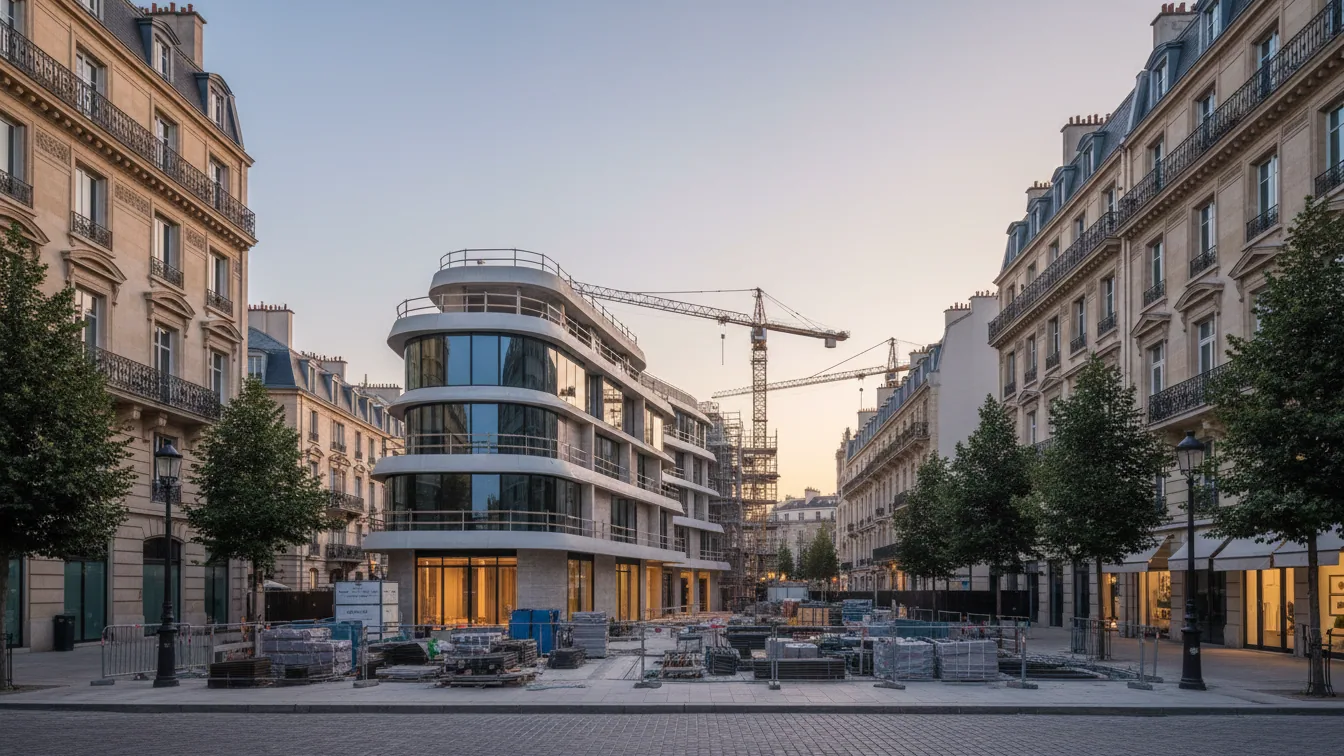
Under the guiding theme 'Renegotiating the City. Urban Development Between Vision and Reality', around 300 property industry professionals and students gathered at Stuttgart's Hospitalhof on 12 November 2026. Held every two years, the Major Future Forum organised by Immobilienwirtschaft Stuttgart e.V. (IWS) focused on the economic, social and climatic demands placed on urban spaces. As IWS board member Uwe Jaggy highlighted at the start of the event, which was moderated by Alexandra May, the cross-generational dialogue between established market participants and the next generation forms the cornerstone of the format.
Existing Building Transformation and International Benchmarks
Futurist Matthias Horx opened the conference with an assessment of societal shifts. An increasing pluralisation of lifestyles requires a departure from outdated architectural models and demands closer integration of housing, nature, mobility and public space, as demonstrated by cities such as Copenhagen. Dr Haris Piplas from the consultancy Drees & Sommer used examples from Basel and Paris to illustrate that isolated individual projects are insufficient and that systemic planning processes are essential instead.
In the subsequent panel debate with Horx, Piplas, Prof. Dr Thomas Beyerle from Biberach University of Applied Sciences and architect Benjamin Blocher, the focus shifted to the existing building stock. Given that the vast majority of today's urban structures are already built, transformation must primarily take place within this built fabric. Blocher called for a tangible increase in flexibility of use to achieve this. An unconventional approach was presented by Dr Simin Mazaheri from the Altes Neuland Frankfurt Foundation: the 'Frankfurt Bridges' project illustrated how greened bridge structures can combine affordable housing, renewable energy and autonomous mobility in an interdisciplinary manner.
Challenges for the State Capital Stuttgart up to 2040
The specific situation of the Baden-Württemberg state capital formed the focus of the second part of the event. Four specialist contributions outlined the guidelines for development up to the year 2040. Peter Pätzold, Stuttgart's Deputy Mayor for Urban Planning, Housing and the Environment, illustrated the city's potential using key areas such as Stuttgart Rosenstein, Neckarpark and the reconfiguration of federal road Bundesstraße 14. Former municipal climatology director Prof. Dr Jürgen Baumüller emphasised the urgency of structural heat protection measures against the backdrop of rising temperatures.
- —Climate resilience: Consistent integration of heat protection and microclimatic aspects into urban master planning.
- —Structural change: Managing the transition in the automotive sector by diversifying the economic framework (presented by Hans-Christian Holz, STEG Stadtentwicklung GmbH).
- —Quarter enhancement: Flexible continued use of existing building fabric as an economic and ecological opportunity (addressed by IWS Young Professional Vincent Peppinghaus).
At the close of the conference, the experts unanimously stressed that such transformations can only be achieved with broad public acceptance. Whether dealing with the redistribution of traffic space, structural climate adaptation or changes of use in existing buildings, ongoing dialogue with civil society remains the central prerequisite for the successful implementation of forward-looking urban concepts.