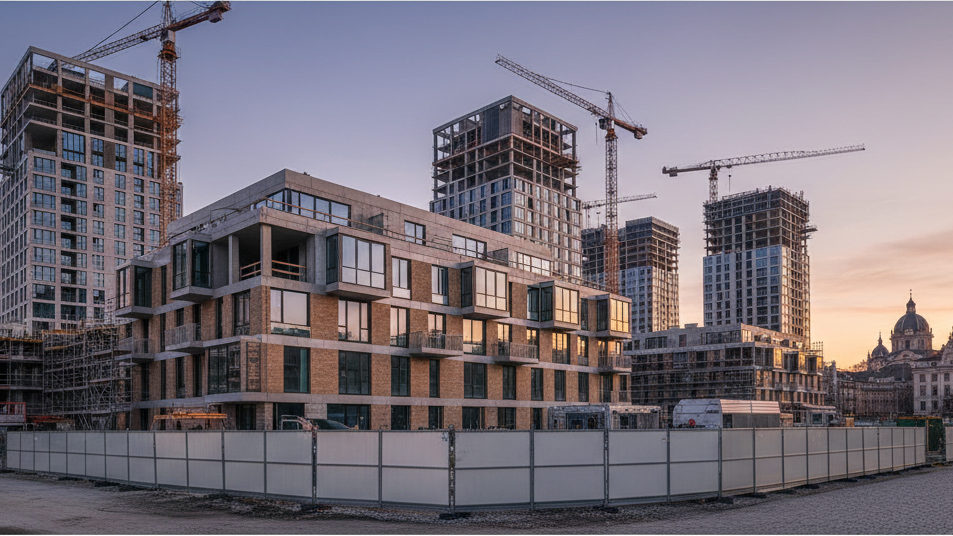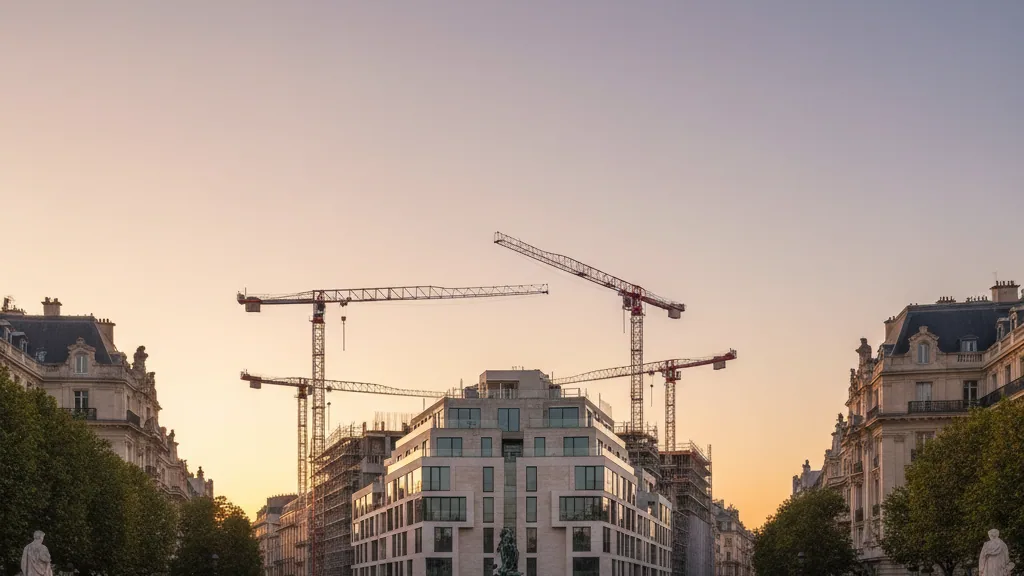
The impact of diesel prices on US retail is clearly reflected in retailers' property strategies. Diesel fuel, a key component of transportation costs that influences the pricing of almost every product on Americans' shopping lists, surpassed an all-time average high of over $6 per gallon in September. Companies have been struggling with the painful price increases since the conflict between the US and Iran at the end of February, when the average price for the fuel was still around $3.81 per gallon, according to the U.S. Energy Information Administration.
As of 28th September, the average diesel price was $6.38 per gallon. These costs represent a significant pain point for brick-and-mortar retail developers. The sector has long suffered from chronically stagnant retail rents, as analysts explained to Commercial Observer. Construction spending increased by more than 42 per cent between August 2020 and August 2026, according to the U.S. Census Bureau. At the same time, retailers' reduced profit margins cannot cover the higher rents for new developments, despite robust balance sheets and aggressive expansion plans.
Expansion Despite Tight Margins
According to sector analysis, consumers' current purchasing power appears sufficient to keep the market healthy in the short term. However, the delayed effects of diesel costs continue to trickle through the economy. Brandon Svec, National Director of U.S. Retail Analytics at the CoStar Group, commented on this: "Given the way oil prices performed, retail margins in Q2 actually came in better than expected. But we definitely saw some compression for most retailers. Very few retailers reported higher margins after accounting for tariff reimbursement."
In the short term, analysts like Svec expect higher costs to complicate the realisation of new retail spaces. Svec emphasised: "While higher oil prices and tariffs are a material issue for the longer-term outlook — three, five, seven years out — revenue growth will be very hard to come by if retailers can't expand their store footprints as currently anticipated. Without a significant boost in supply, there isn’t enough high-quality space to go around for all the retailers that have announced thousands of new openings."
Shortages and Demand in Retail
Competition for retail space is currently particularly intense. According to CoStar data, retailers absorbed more space in the second quarter of 2026 than in any quarter since 2022, the year when higher interest rates took effect after the pandemic. Retail construction in the second quarter of this year was "historically tight nationwide", according to a JLL report, which noted net absorption of 10.2 million square feet and an overall vacancy rate of just 4.4 per cent. The quarter was particularly impressive for freestanding and single-tenant retail properties.
Grocers such as Whole Foods and Aldi are planning new locations across the US, as are discount apparel stores like T.J. Maxx and Burlington. The value sector, in particular, has announced a flurry of planned nationwide expansions over the past 12 months, largely thanks to a growing customer base of price-conscious Americans. Dollar Tree opened 402 new stores in 2025 and announced plans for 400 more in 2026. Its competitor, Dollar General, launched the first $1.6 billion phase of its plan for comprehensive store renovations, including the addition of 450 new locations this year.
Recent earnings reports for the second quarter from retail-focused Real Estate Investment Trusts (REITs) also supported future demand. Kimco, a REIT with grocery-anchored shopping centres, reported record occupancy and rent increases for new leases in August. David Jamieson, Executive Vice President and Chief Operating Officer of Kimco, told investors he expects further acquisitions to be offset by cap rate compression due to the “capital chasing the unanchored strip format”. Outside of hotspots like Dallas and Phoenix, new shopping centres and freestanding retail properties are scarce in the five-year pipeline. This means it's a good time for retail landlords. Their tenants, however, are feeling somewhat squeezed.
Supply constraints vary by property type and geographical location, but overall, retail vacancies are lower today than at the beginning of the year, according to CoStar data, and rents remain strong. In September, just over 60 million square feet of retail space was under construction — merely 4 per cent above the historical low for space under construction since CoStar began tracking the market 25 years ago. Regardless of how much their customer base grows, companies like Burlington and Dollar Stores are limited in what they can lease.
James Cook, Senior Director of Americas Retail Research at JLL, summarises the situation: "As a retailer, on the one hand, you're saying, 'Oh man, customers really want my value proposition.' On the other hand, you're really struggling to find a place to open your store." When construction costs are rising so sharply, diesel costs $6, and retailer margins are shrinking, there is little incentive for developers to break ground, or for retailers to pay high rents for new properties. The sluggish rent growth dates back to the global financial crisis, according to Svec, and coincided with the rise of big-box bankruptcies and e-commerce.