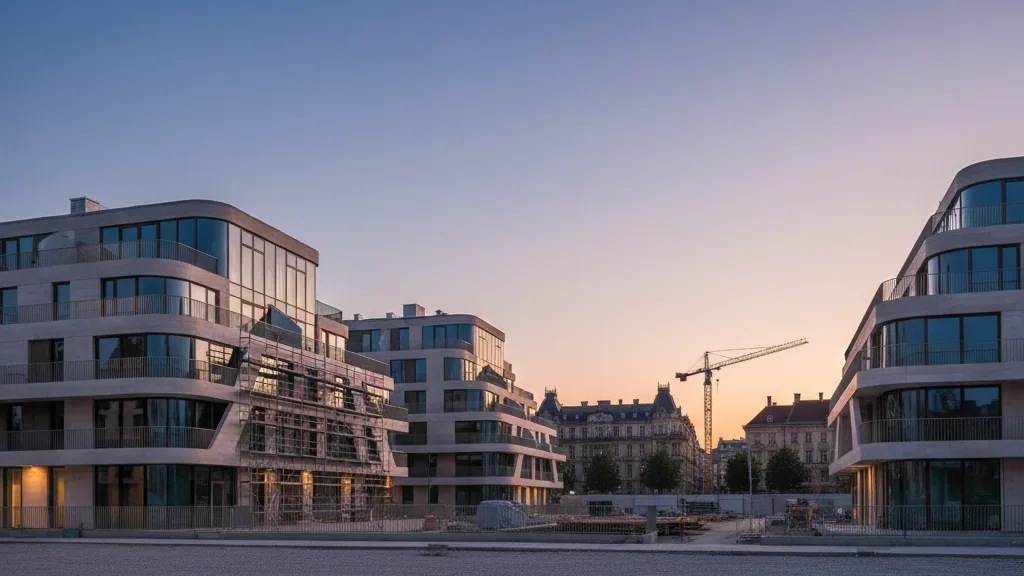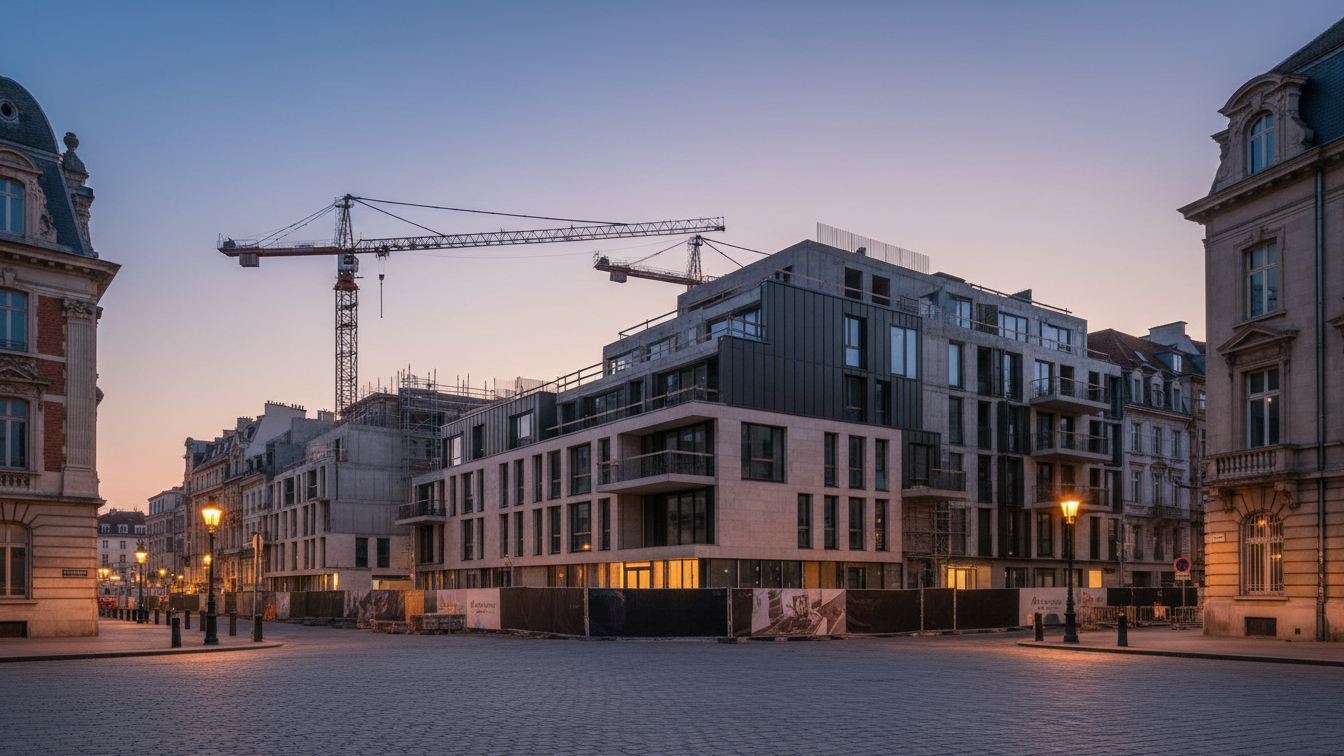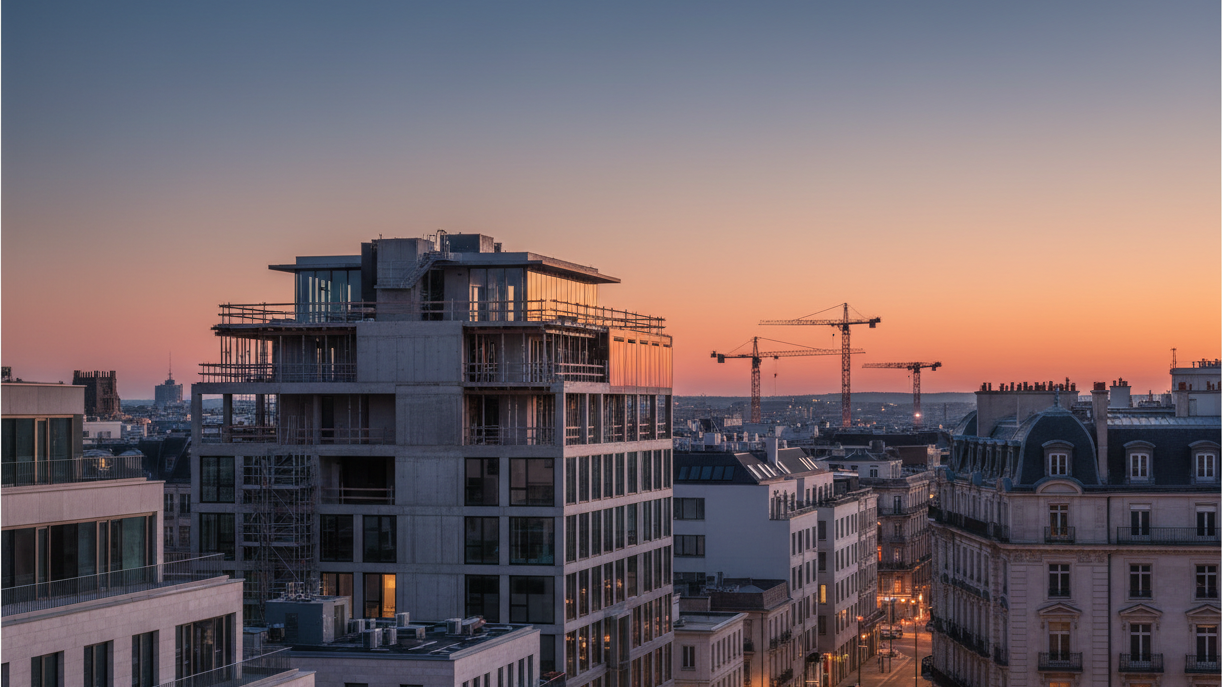
Rising construction costs are slowing the flow of commercial property development in 2026, with developers often seeking innovative ways to successfully complete their projects. A survey published in September by the Associated General Contractors of America found that 55 percent of respondents had delayed, cancelled or reduced at least one non-data centre project in the past six months. A third of the companies surveyed cited rising construction costs as the primary reason for these actions.
Input prices for construction services rose by 1.2 percent in August compared to the previous month and were almost 9 percent above the level of August 2025. This was revealed in a report by the Associated Builders and Contractors, based on statistics from the U.S. Bureau of Labor Statistics from 10 September. Despite these figures, some commercial property owners continue to realise development projects, even if these sometimes need to be adjusted in size and scope.
Ari Rastegar, founder and CEO of Rastegar Property Company, noted that increased construction costs have led to more creativity in achieving the projected internal rates of return (IRR) for development projects. This includes changes to building height or the parking requirements of a property. For example, Rastegar's firm altered the density for the residential area of its planned, 318-hectare master-planned community Infinity Square in Kyle, Texas, which was to include 1,000 single-family homes, 1,400 apartments, 185,000 square feet of commercial space and an elementary school.
Adapting to Market Conditions and Financing Strategies
To account for the new market conditions, Rastegar increased the number of single-family homes in the first phase of development by 14.8 percent to 388. The additional 50 units will be built smaller and located in an area originally designated for commercial use. Rastegar explained that the plan was reconfigured due to market conditions, as interest rates and construction costs are unchangeable, but there is demand for smaller homes. By building smaller homes, developers can take on less risk regarding overall construction costs and thus overcome the IRR problem through increased density.
Construction cost challenges also arose for Rastegar with his 600,000 square foot industrial project INF1NITY Park in a federally designated Opportunity Zone in Austin, Texas, near the Tesla Gigafactory. Rastegar, who pre-leased the project and received a USD 25 million, seven-year refinancing loan from Aegon Asset Management in February 2026, was proactive in pushing construction forward by securing material costs against potential price increases. He described the process as difficult, stating that they had to order their steel in advance and create a hedge to avoid price disadvantages. His firm has continued to build and deliver across various asset classes, as it had to adopt creative approaches to create longer-term value.
Changed Framework Conditions and Funding Sources
Developers, already grappling with a higher inflationary environment, partly driven by supply chain shortages during the COVID-19 pandemic, received another blow in April 2025 when President Donald Trump announced sweeping global tariffs. Material costs have also risen significantly since then, after Iran closed the Strait of Hormuz following joint US and Israeli military strikes on the country in February 2026.
Steven Wernick, a partner for land use and zoning at the law firm Day Pitney in Coral Gables, Florida, advises a number of developers in South Florida on adapting construction projects to new financial realities through design changes. He mentioned that in some cases, developers, both national and local, obtained zoning permits two to three years ago and are now trying to change height and parking requirements to boost investment returns. Wernick emphasised that it's not just about construction costs, but about maximising the project's value and positioning it better. If a project is no longer profitable with current costs or original fundamentals, the first question is often whether permits can be reviewed and changes made regarding what can be built on the property.
The higher cost environment for construction and longer-lasting higher interest rates have also led to a greater variety of financing sources for development projects beyond traditional banks. Wernick noted that more private lenders and family offices are partnering with sponsors on the debt and equity side to participate in the capital side of construction loans for developments in South Florida due to increased borrowing costs. Despite declines in overall construction activity and lending over the past year, there has been a recent surge in requests for construction loans, according to Tony Fineman, Senior Managing Director and Co-Head of National Originations at Acore Capital.