hanova, a municipal housing company, and the Niersberger Group as general contractor have presented hanova's first serial renovation project to the public. Over 70 guests, including representatives from politics, associations, and the housing industry, attended the presentation. Among those present were the Lord Mayor of the City of Hanover, Belit Onay, hanova Managing Director Karsten Klaus, the Director of the vdw regional association Lower Saxony/Bremen, Dr. Susanne Schmitt, and the Head of Department at the Lower Saxony Ministry of Economic Affairs and Construction, Claudia Simon.
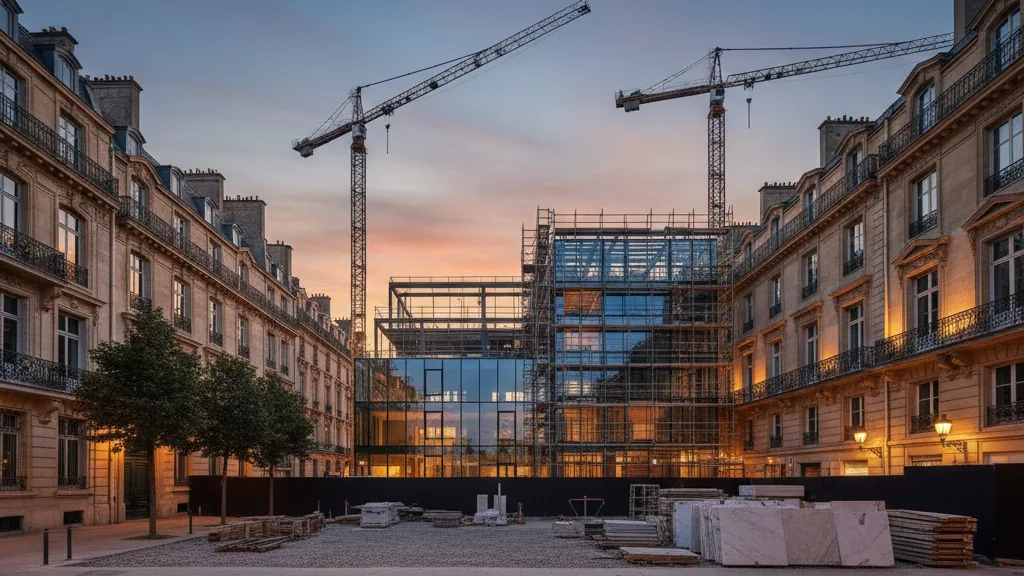
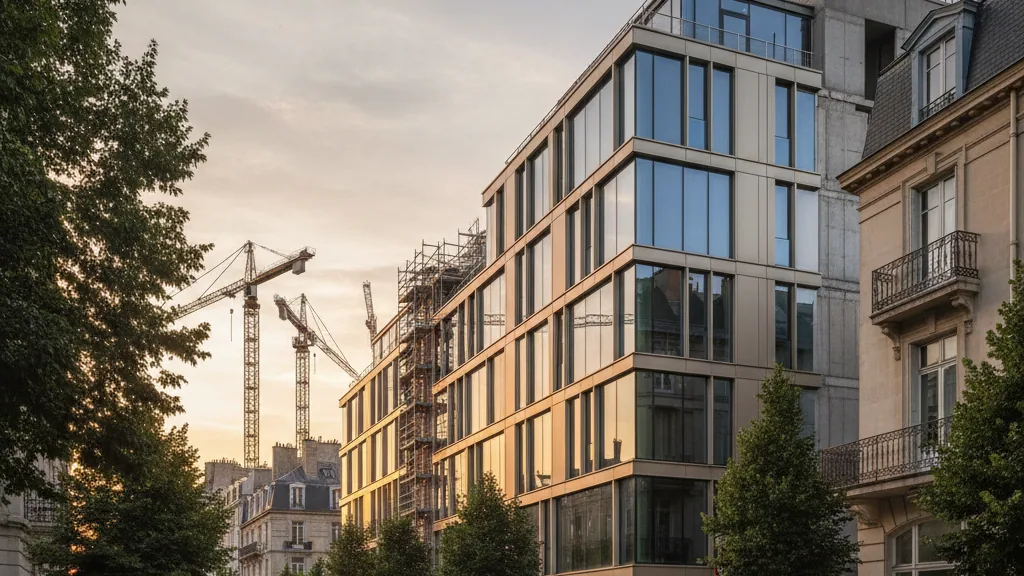
The renovation project encompasses a total of 45 residential units across two locations: 18 residential units at Pagelsdorffweg 1-3 with an area of 818 square metres, and 27 residential units at Klausenerweg 1-3 with 1,144 square metres. These existing buildings will be fitted with new wooden facades and a heat supply from renewable sources. The project is one of the largest serial residential renovations in Lower Saxony. Completion is scheduled for the fourth quarter of this year.
Focus on Innovation and Sustainability
Lord Mayor Belit Onay commended the innovative approach of the construction project. He highlighted that this endeavour combines energy efficiency and climate protection. Onay expressed his gratitude to hanova for its pioneering role in serial renovation, which is already enabling significant cost savings, particularly in warm rents. Torsten Wybranitz, Head of Construction at the Niersberger Group, emphasised the ecological sustainability of the project. He explained that the new wooden facades, an air-to-water heat pump cascade, and photovoltaic systems on the roofs contribute to the climate neutrality of the buildings, thus forming an important component in achieving Hanover's climate targets.
Karsten Klaus, Managing Director of hanova, explained the decision for serial renovation. He highlighted the significant reduction in project times and the avoidance of costs for replacement accommodation or rent losses, as residents can remain in their flats throughout the entire renovation period. Dr. Susanne Schmitt, vdw Association Director, pointed out the efficiency of serial renovation compared to conventional methods. She stressed that the process is technically sound and socially acceptable, and expressed hope for numerous imitators in Lower Saxony and Bremen.
Advantages of Serial Renovation
Claudia Simon, Head of Department from the Lower Saxony Ministry of Economic Affairs and Construction, identified several advantages of serial renovation. She mentioned digital planning, tenant-friendly work with low noise and dirt pollution, and the creation of energy-efficient living space. The Ministry shows great interest in a growing number of such projects, as a higher scale increases cost-effectiveness for owners, construction service providers, and tenants.
- —The Hanover region has been established as the second nationwide cluster region for serial renovation since 2023.
- —There are approximately 580,000 flats in the Hanover region.
- —64 percent of existing buildings were constructed between the 1950s and 1980s.
- —A large proportion of these existing buildings are still heated with fossil fuels, which underlines the need for renovations.