Gevorg Shahbazyan, Founder and CEO of Starlife Group, recently participated in Commercial Observer's South Florida Capital & Development Forum. There, he spoke about strategic approaches such as vertical integration, innovations in the residential sector, the future viability of portfolios, and creating added value for communities in the South Florida real estate market.
The Advantage of Vertical Integration
The Starlife Group operates as a fully vertically integrated development company. This structure, which encompasses all phases of a development from concept to completion, enables scalability while ensuring high quality standards. Shahbazyan explained that real estate development involves hundreds of interconnected decisions. The quality of the final product depends on how well these decisions remain aligned throughout the entire project lifecycle - from the initial idea through construction to operation.
The goal of vertical integration at Starlife Group was to ensure that every discipline shares the same vision and works towards the same standard. Consolidating development, construction, financing, capital, brokerage services, insurance, and management under one roof offers greater transparency and accountability across a project's entire lifecycle. Direct communication between teams makes it possible to identify challenges early and make informed decisions more quickly, rather than waiting for problems to arise on site. This protects the original project intention and ensures better control over quality, timing, and long-term value.
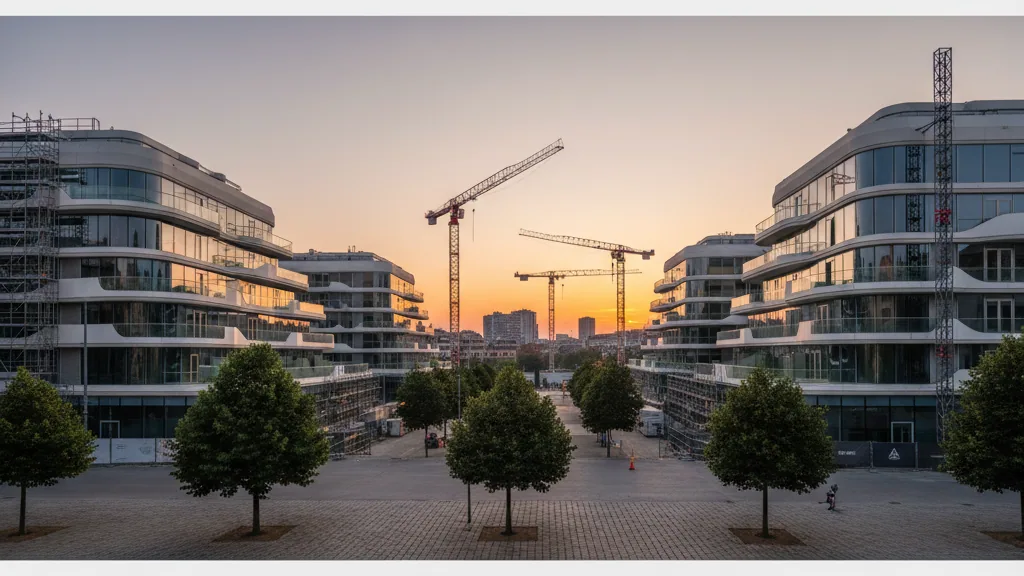
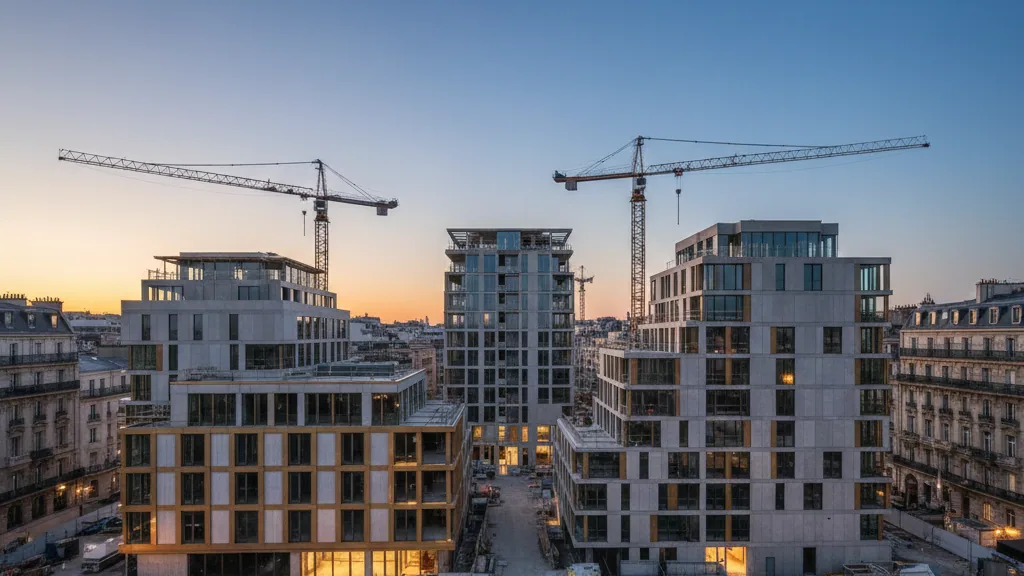
As an example, Shahbazyan cited the '21 Hollywood' project, where the in-house construction division, Starlife Builders, completed the 14-storey building to its full structural height in just seven months after construction began. This speed resulted from comprehensive planning and close coordination between the visionary and executive teams. Vertical integration creates the infrastructure for growth without sacrificing precision. The goal is not to deliver more buildings, but to create an organisation capable of developing, financing, delivering, and operating significant projects on a large scale.
Innovation and Differentiation in the Housing Market
The residential and multifamily sector is increasingly demonstrating innovations in design, marketing, and the overall offering for residents. In a market as competitive as South Florida, residents are looking for a comprehensive package of first-class amenities, high-quality appliances and fixtures, functional spaces tailored to their lifestyle, and a location that complements their way of life. Differentiation arises from bringing all these elements together, rather than relying on one or two aspects.
- —The '21 Hollywood' project integrates condominium-quality elements, such as Bosch appliances, Italian cabinetry, quartz countertops, and curated tile finishes.
- —The building's amenity programme promotes well-being, productivity, and social connection with co-working spaces, a fitness centre, yoga and Pilates studios, a cinema, a rooftop pickleball court, a pool deck, and areas for children and pets.
- —The location on Federal Highway connects residents to an evolving mixed-use corridor in the heart of Hollywood.
It is important that these offerings do not exist in isolation. Consideration is given to how residents move through a building, how amenities relate to each other, and how the property connects with the surrounding neighbourhood. The hospitality approach is also gaining importance, as it teaches one to anticipate needs rather than merely react to them. This philosophy shapes Amara Hospitality, the company's new hospitality and property management division, and will continue to shape service and the overall experience across the portfolio.
Future viability means not chasing every new trend, but understanding which changes will shape people's way of life in the long term. Starlife Group pays attention to shifts in lifestyle, mobility, wellness, technology, and the use of living spaces, but evaluates these against market fundamentals and community needs. This begins even before acquiring or planning a project. They seek locations with strong connectivity, infrastructure, and development potential. Hollywood is an example here, an established city with proximity to key employment centres, the beach, and regional transport links, but also corridors like the Federal Highway that can accommodate additional housing and mixed-use activities. This long-term conviction in Hollywood extends beyond '21 Hollywood', with several additional projects in the pipeline that will further expand Starlife Group's presence in the city.