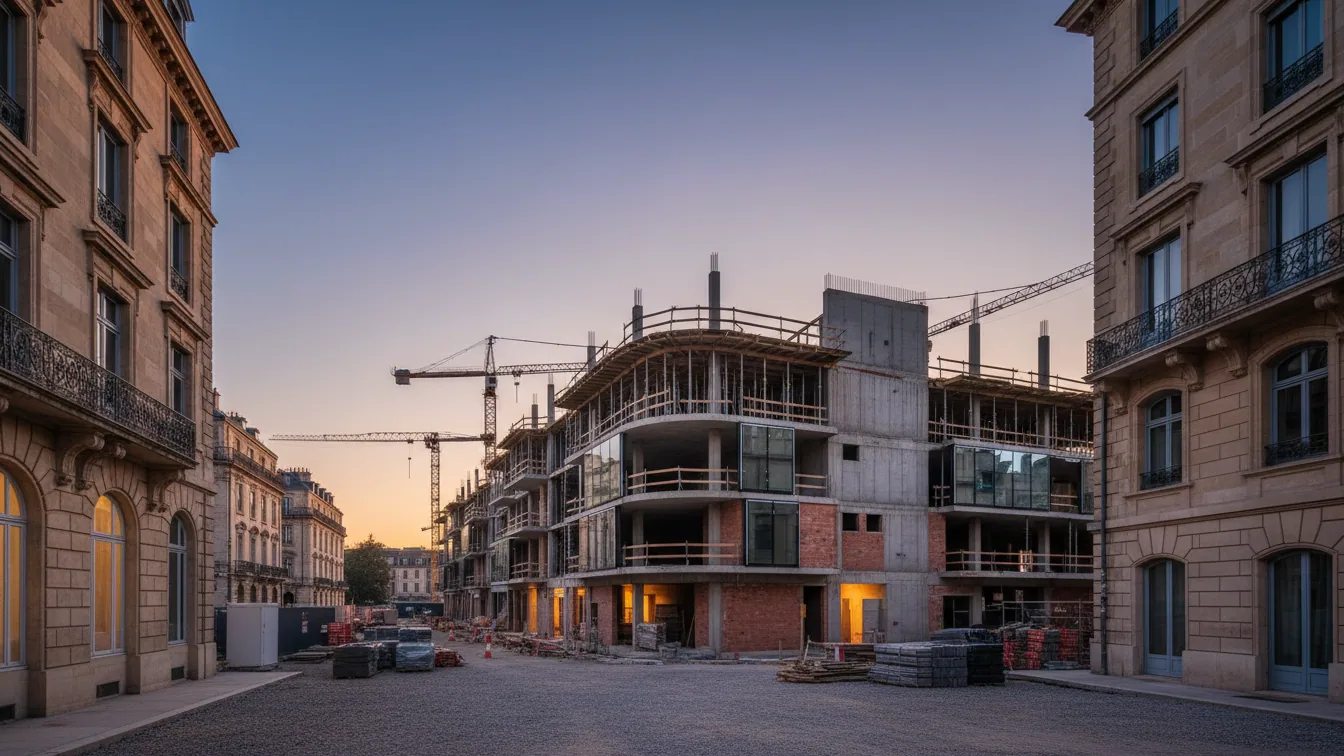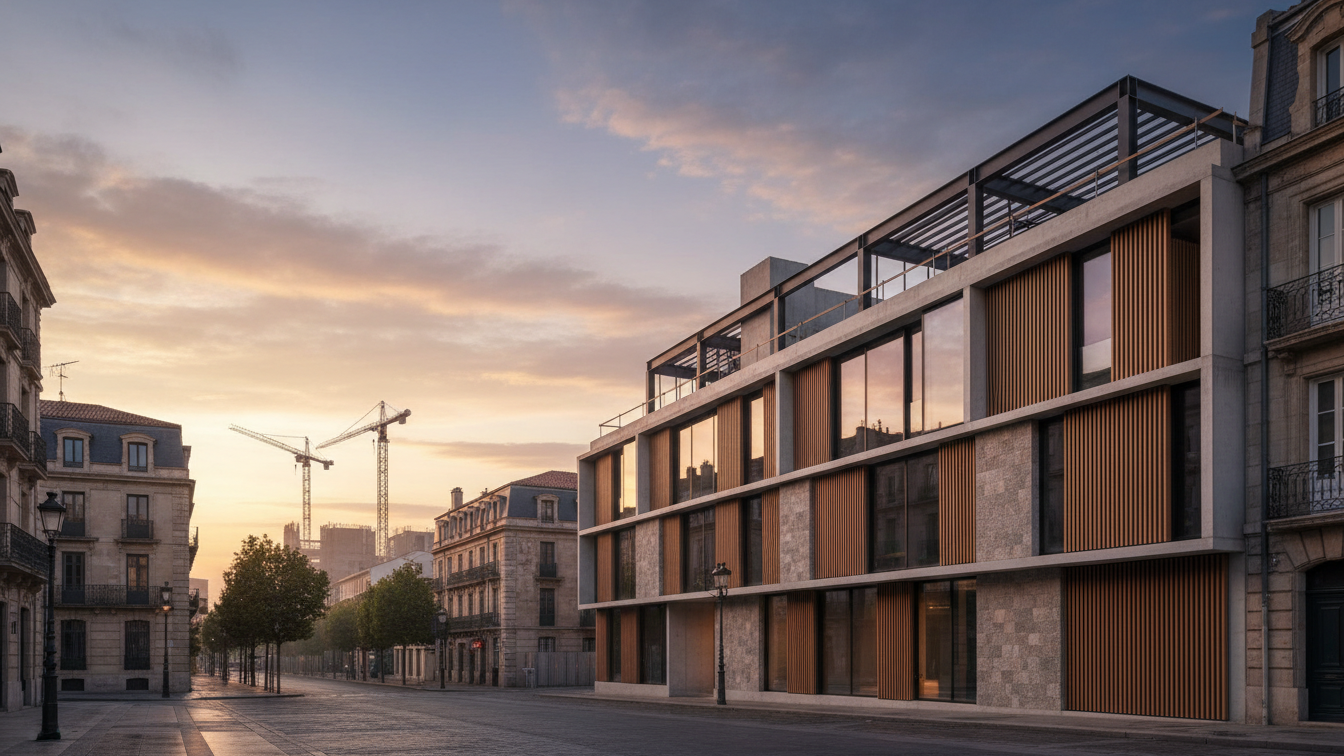
The way and places in which people live and reside are undergoing a shift. Along with this development, the framework conditions for residential design are also changing permanently. For planning disciplines and the contracting construction industry, this gives rise to fundamental tasks that are becoming increasingly significant in the run-up to BAU 2027.
Influence of demographics and household structures
Key drivers of this development are demographics and the continuous transformation of household structures. Housing needs are diversifying, calling established standard residential construction models into question. Altered lifestyle choices and new household constellations require living space that can respond flexibly to different phases of life.
Planning practices and developers face the challenge of accommodating these altered usage patterns as early as the initial design phases. In light of demographic shifts, merely replicating established floor plans is no longer sufficient to meet the actual requirements of future occupants.
Challenges for the construction industry
For the construction sector, this transformation process entails adapting execution methods and material concepts. The industry is called upon to deliver viable and technically sound responses to new housing needs. Alongside new forms of living, the functional usability of floor space is gaining further relevance.
- —Consideration of demographic changes when designing residential buildings
- —Adaptation to evolving household structures and differentiated space requirements
- —Development of future-proof methods and solutions in planning and the construction industry
Preparations for BAU 2027 show that the realignment of construction is closely linked to societal change. The sector must establish solutions that meet evolving housing needs over the long term at both planning and structural levels.