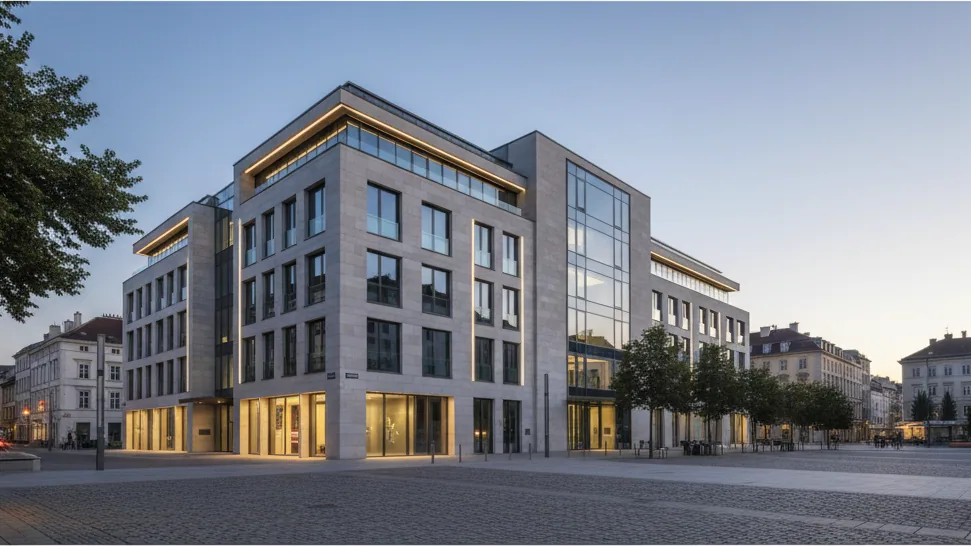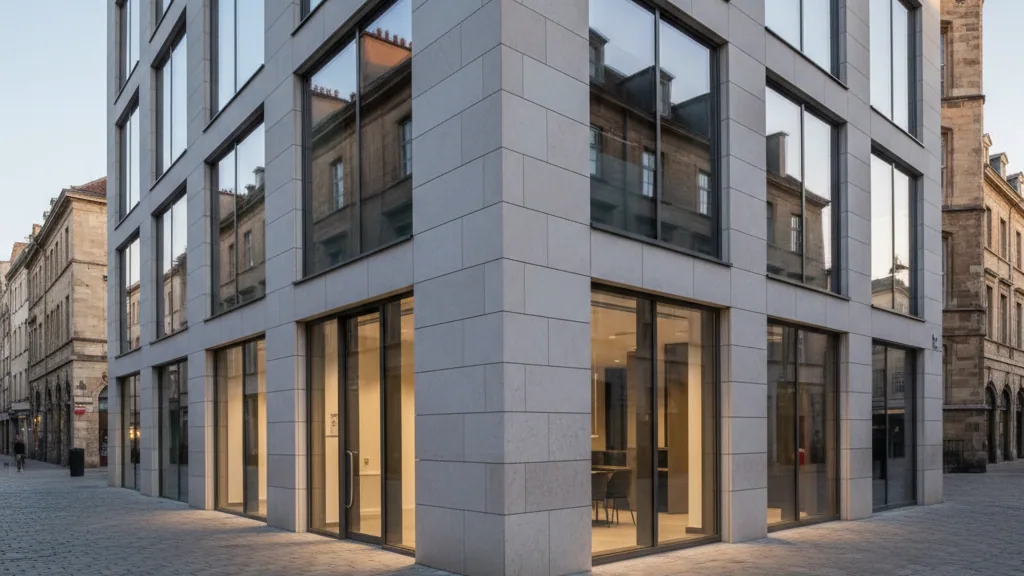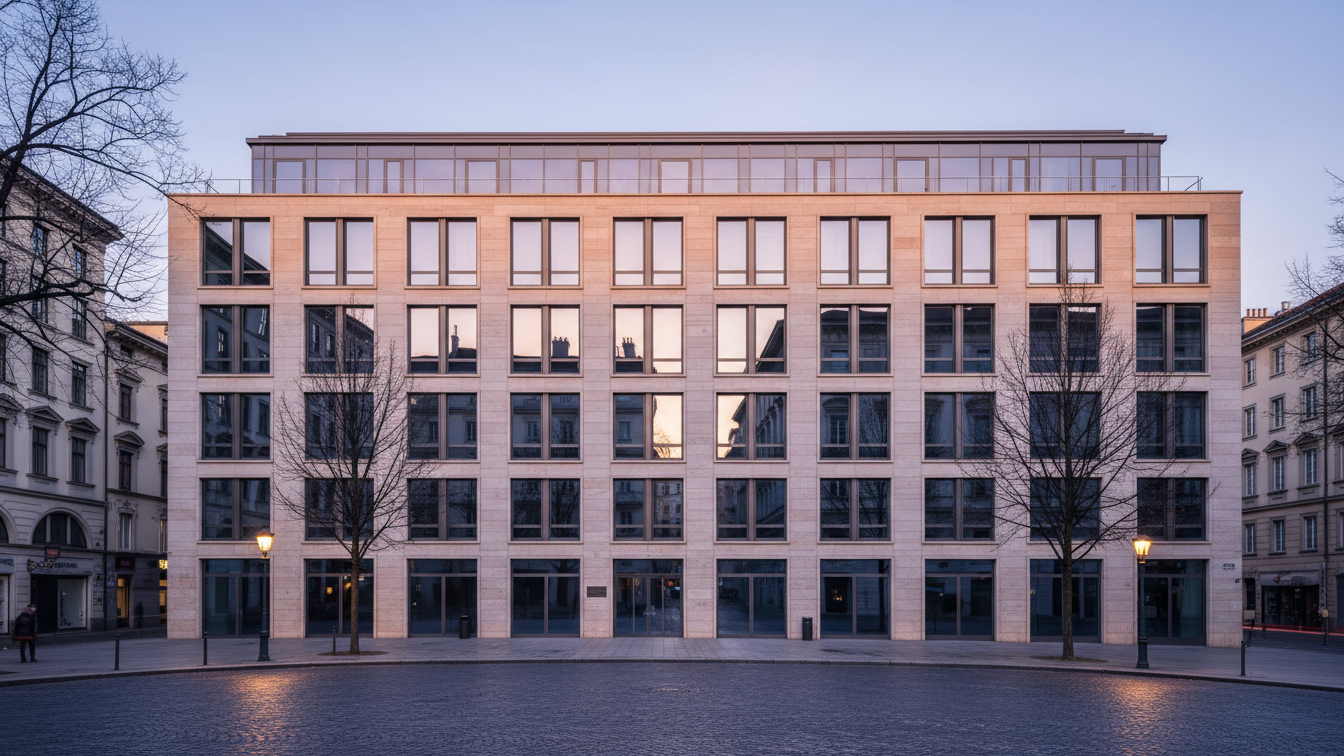
The second YEXIO data centre in Germany has begun regular operations in Bad Lippspringe, East Westphalia, in the district of Paderborn. The facility was developed and financed as a joint project by HOCHTIEF PPP Solutions and Frankfurt-based infrastructure investor Palladio Partners. Starting with an initial capacity of two megawatts, the facility provides decentralised, low-latency data processing in close proximity to regional businesses.
The project is part of a broader infrastructure programme, with the project partners planning a Europe-wide network of 25 decentralised edge data centres. Following the commissioning of the first site in Heiligenhaus, Bad Lippspringe marks the second milestone in this initiative. Additional units in North Rhine-Westphalia and Bavaria are currently under construction. Market interest is proving robust, with around two-thirds of the currently available YEXIO capacity already pre-let.
Solid timber construction and integration into the local heating network
The architectural concept focused heavily on the ecological balance. The building was constructed using solid timber, reducing carbon dioxide emissions by around 600 tonnes compared to a conventional reinforced concrete structure. In addition to the resource-efficient building structure, day-to-day operations also comply with energy standards: continuous server waste heat is to be fed into the future municipal heating grid, thereby supporting the local heat supply.
Speaking at the opening, Hendrik Wüst, Minister President of North Rhine-Westphalia, highlighted that modern data centres form the foundation for digital sovereignty and industrial transformation. On the path from coal to artificial intelligence, the state requires high-performance infrastructure that reaches small and medium-sized enterprises locally. Juan Santamaría, CEO of HOCHTIEF, emphasised that the transformation of economies demands a new generation of infrastructure that permanently couples computing power with high energy efficiency.
Dr Bernd Kreuter, Managing Partner of Palladio Partners, pointed to the segment's growing importance, noting that data centres are among the most dynamic areas of infrastructure. In light of rising energy demands, integration into regional networks represents the decisive lever for providing digital capacity in an economically viable and resource-conserving manner.