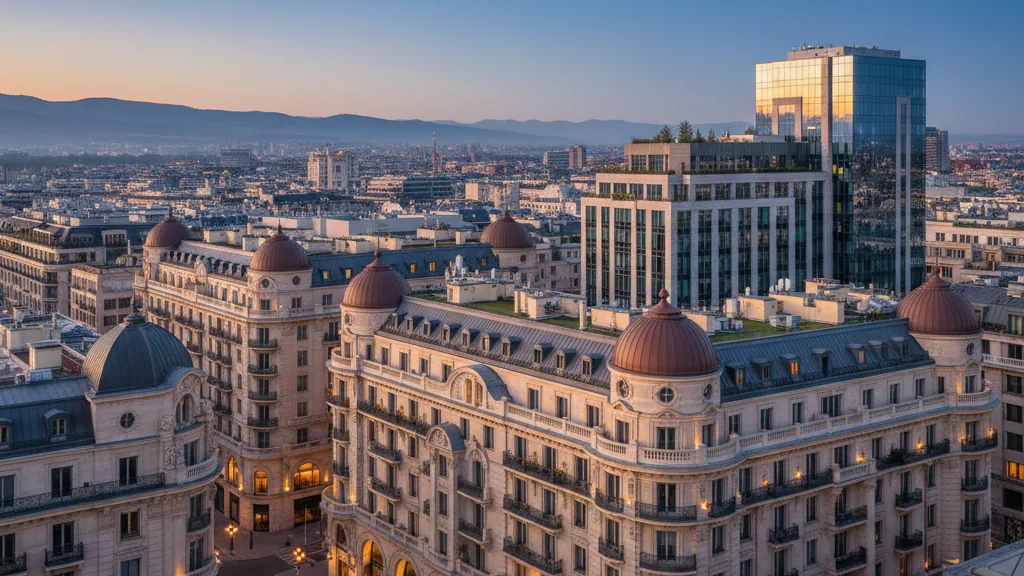
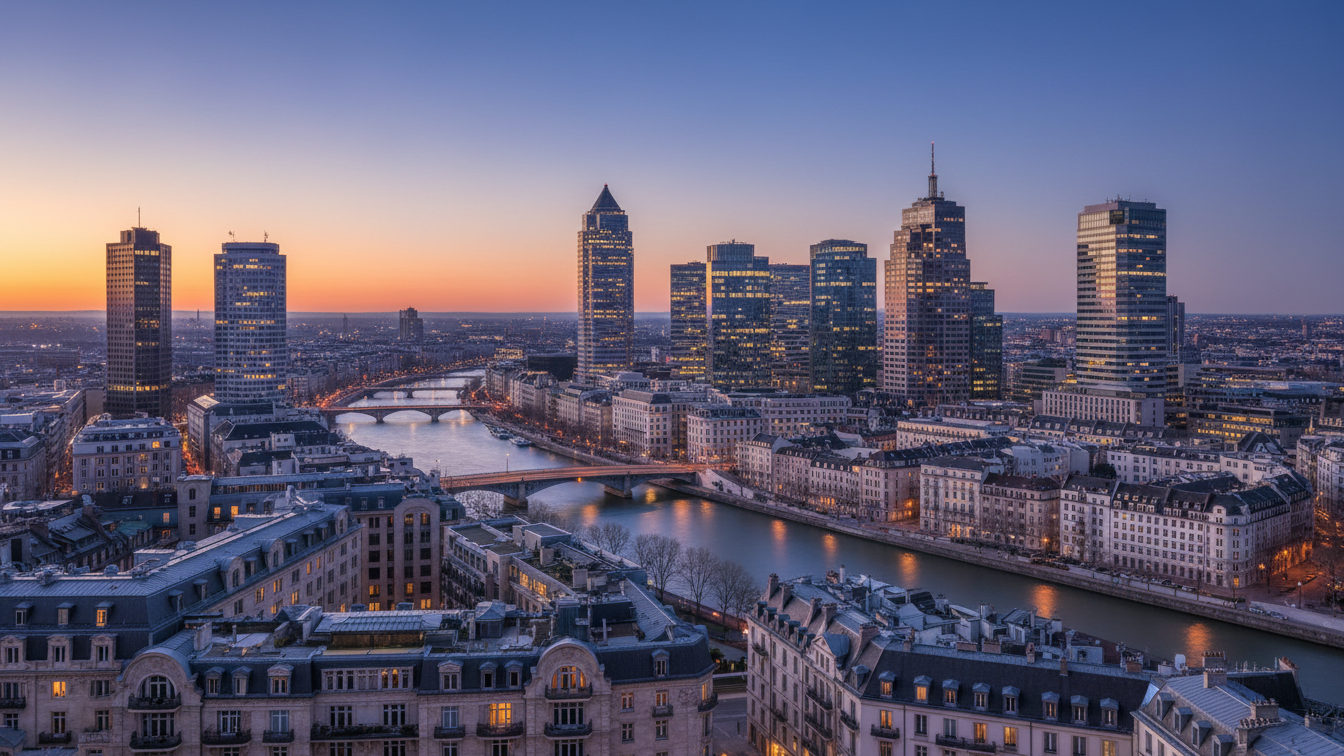
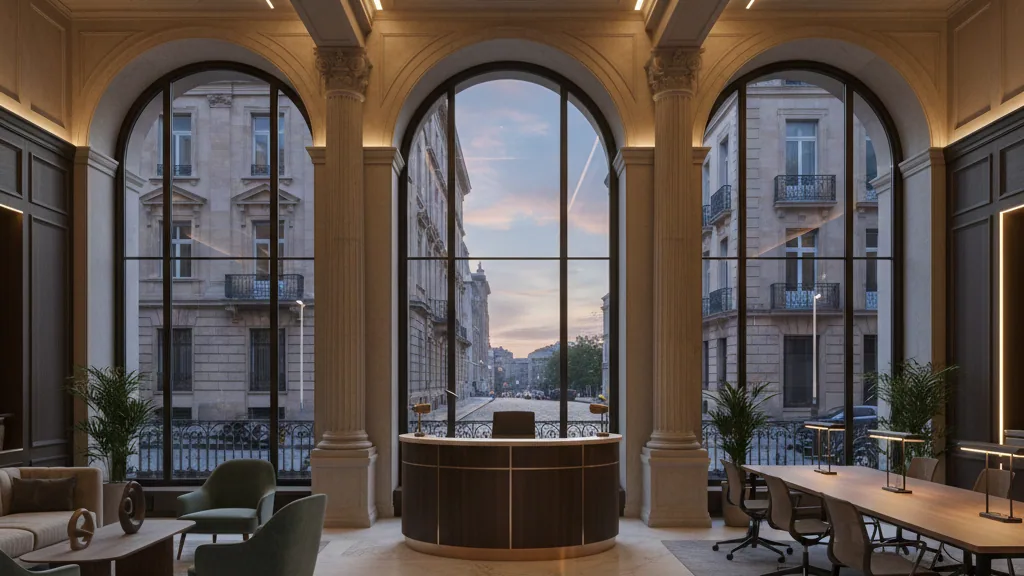
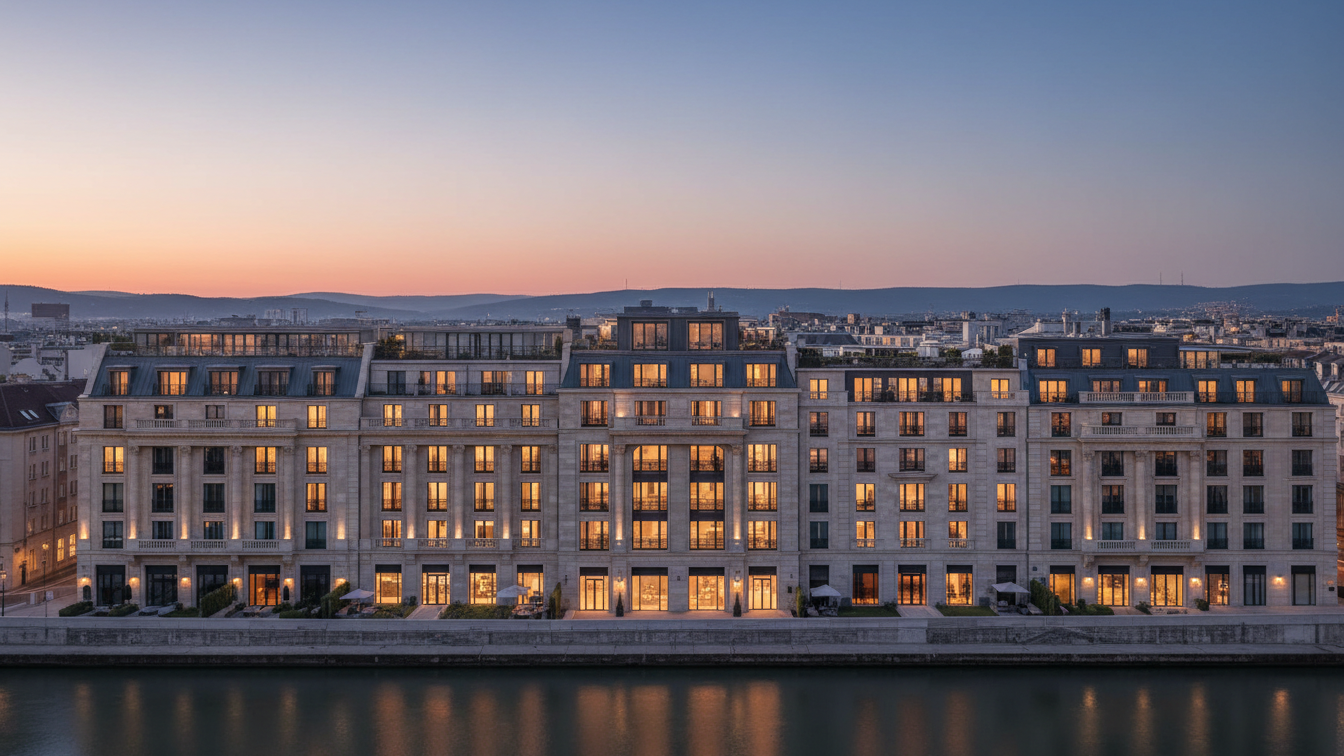
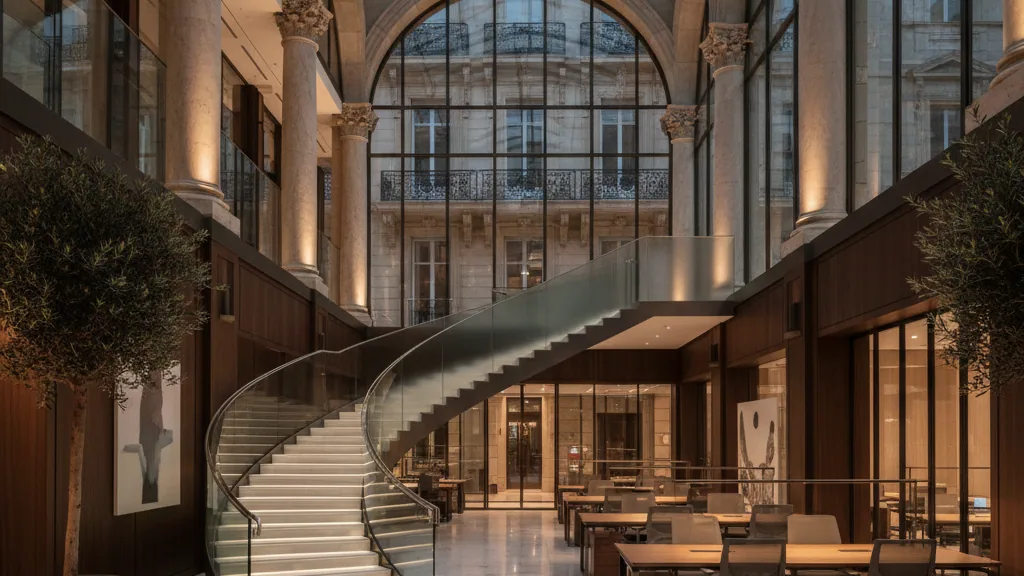
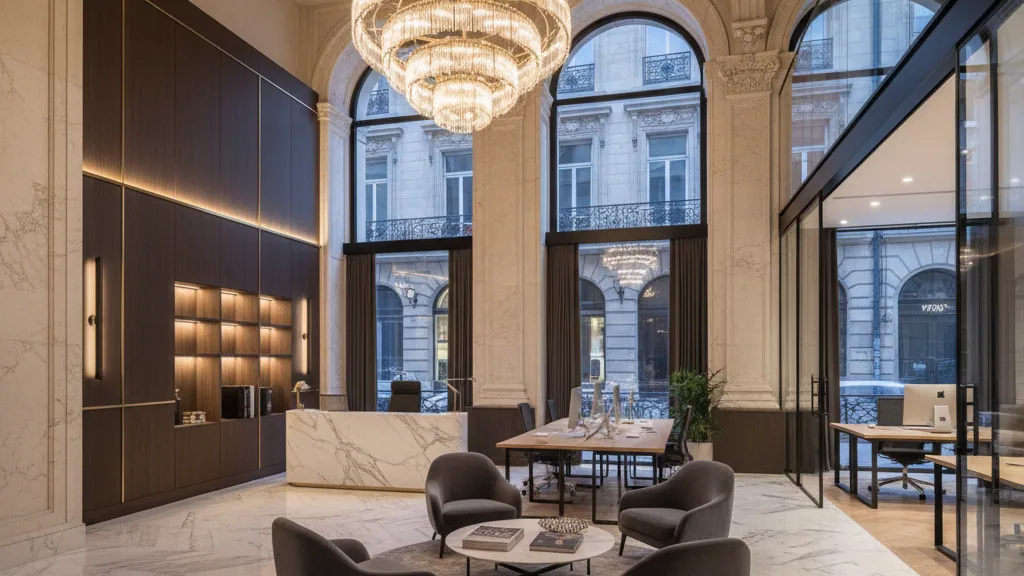
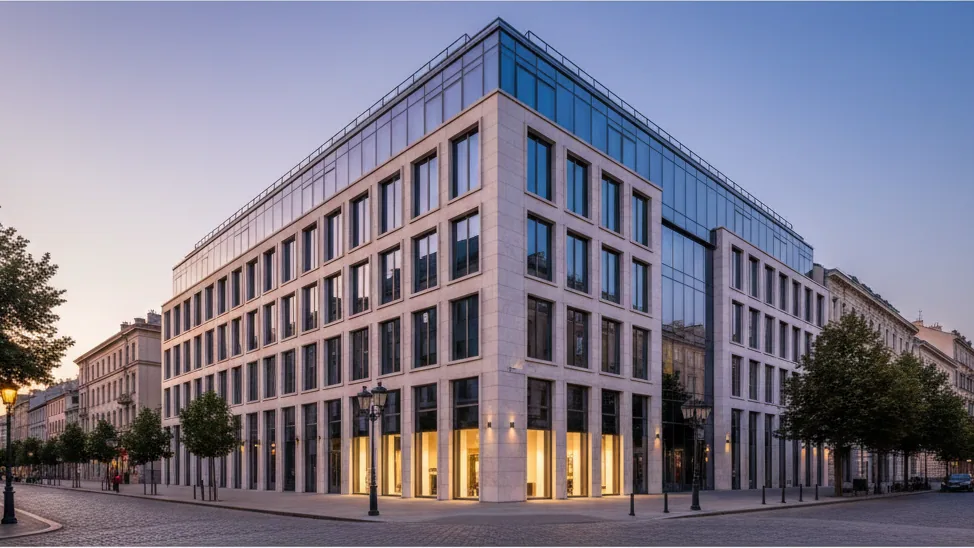
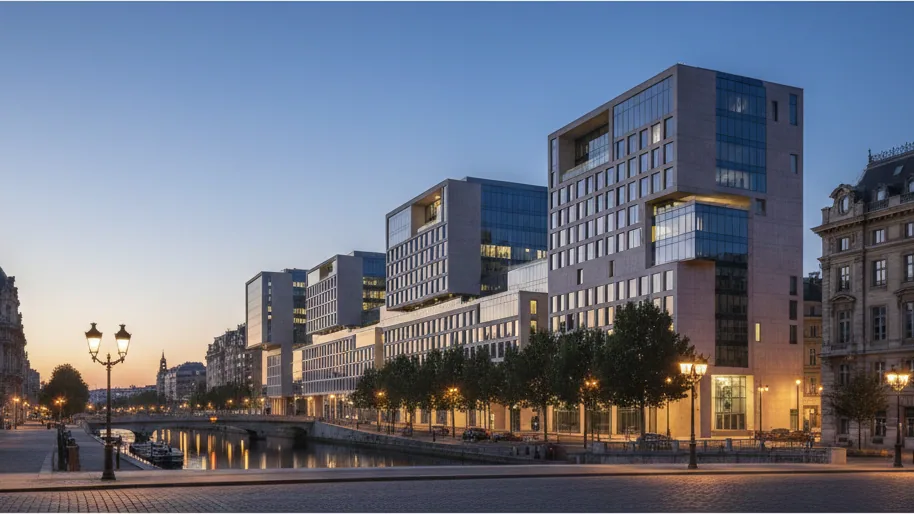
The changing demands on urban spaces, driven among other factors by housing shortages, climate change, new mobility concepts, and hybrid working models, necessitate a reorientation of urban planning and project development. JTRE Germany is focusing on mixed-use developments that combine various types of use such as living, working, amenities, and public spaces. This approach aims to lay the foundation for future-proof and liveable districts.
International studies confirm the relevance of these developments: mixed-use districts are considered an effective instrument for increasing cities' climate resilience, economic stability, and quality of life. The importance of short distances within these areas is a central element of sustainable urban development.
Short Distances and Mobility Behaviour
Scientific research underlines that mixed-use goes beyond purely architectural aspects. A 2024 study in the “Journal of Urban Mobility” investigated the spatial structures of Barcelona and their influence on the population's mobility behaviour. The analysis showed that a high concentration of daily destinations such as workplaces, shopping facilities, or services leads to a significant reduction in car use and an increase in walking and cycling. The intelligent spatial linkage of different uses within a district proved to be a decisive factor, not primarily urban density.
Similar findings are provided by an international study in the journal “Nature Human Behaviour”, which analysed movement data from around 40 million mobile phones from various cities worldwide. It concluded that the accessibility of everyday amenities explains approximately 84 percent of the differences in mobility behaviour between cities. Cities that compactly arrange living, working, shopping, and services spatially enable more journeys on foot or by bicycle. Sustainable mobility thus arises not only through new transport systems but crucially through an urban structure that favours short distances. Sebastian Mirrek, Senior Project Manager at JTRE Germany, noted that these findings confirmed the conviction that sustainable urban development must always be considered holistically. He added that it is not individual buildings, but districts where people can organise their daily lives over short distances, that contribute to an increased quality of life. An intelligent combination of living, working, and leisure not only benefits the environment and mobility but also the quality of life.
In addition to the mobility transition, changes in the world of work also influence the demands on urban spaces. Hybrid working models lead to a re-evaluation of classic office locations. There is increasing demand for districts that function throughout the day and integrate diverse uses. The “Global Business District Report 2025” by EY and the Urban Land Institute (ULI) proves that successful international business districts are evolving from mono-functional office locations into vibrant urban quarters. Here, living, working, gastronomy, culture, and public spaces are not planned in isolation but together form urban ecosystems that promote economic stability and social vitality. A joint study by the Urban Land Institute and the IREBS Immobilienakademie on the future of European cities states that resilient cities require districts that can flexibly react to societal changes. Mixed-use, sustainable mobility, high-quality public spaces, and social infrastructure are not optional quality features but fundamental prerequisites for long-term successful urban development. Mirrek emphasised that discussions about sustainable construction often focus on energy efficiency and building technology, but the question of how people organise their daily lives is at least as important. A district that combines living, working, amenities, and leisure reduces traffic volumes, strengthens local offerings, and creates permanently functioning urban spaces.
Nordhafen Living & Office: A Practical Example
JTRE Germany applies these insights with the Nordhafen Living & Office project to a new urban district in Berlin's Europacity. The project comprises approximately 150 rental apartments, 7,500 square metres of flexible office space, and complementary retail and gastronomy offerings in an integrated use concept. Its waterside location, proximity to Berlin Hauptbahnhof, and short distances between the various functions create an urban environment. High sustainability standards, modern mobility options, and public communal areas complement the concept and strengthen the district idea.
Nordhafen is an exemplary project for JTRE Germany, demonstrating the application of international experience from developments such as Eurovea City in Bratislava or Triptych Bankside in London to the Berlin market. The company has 30 years of experience in developing mixed-use districts in Europe. It employs an international team of over 300 experts and has realised more than 50 projects in nine countries. The current project pipeline has a total Gross Development Value (GDV) of approximately 11.9 billion EUR. This reinforces JTRE Germany's perspective that the future of sustainable urban development lies in the quality of entire districts, not individual buildings.