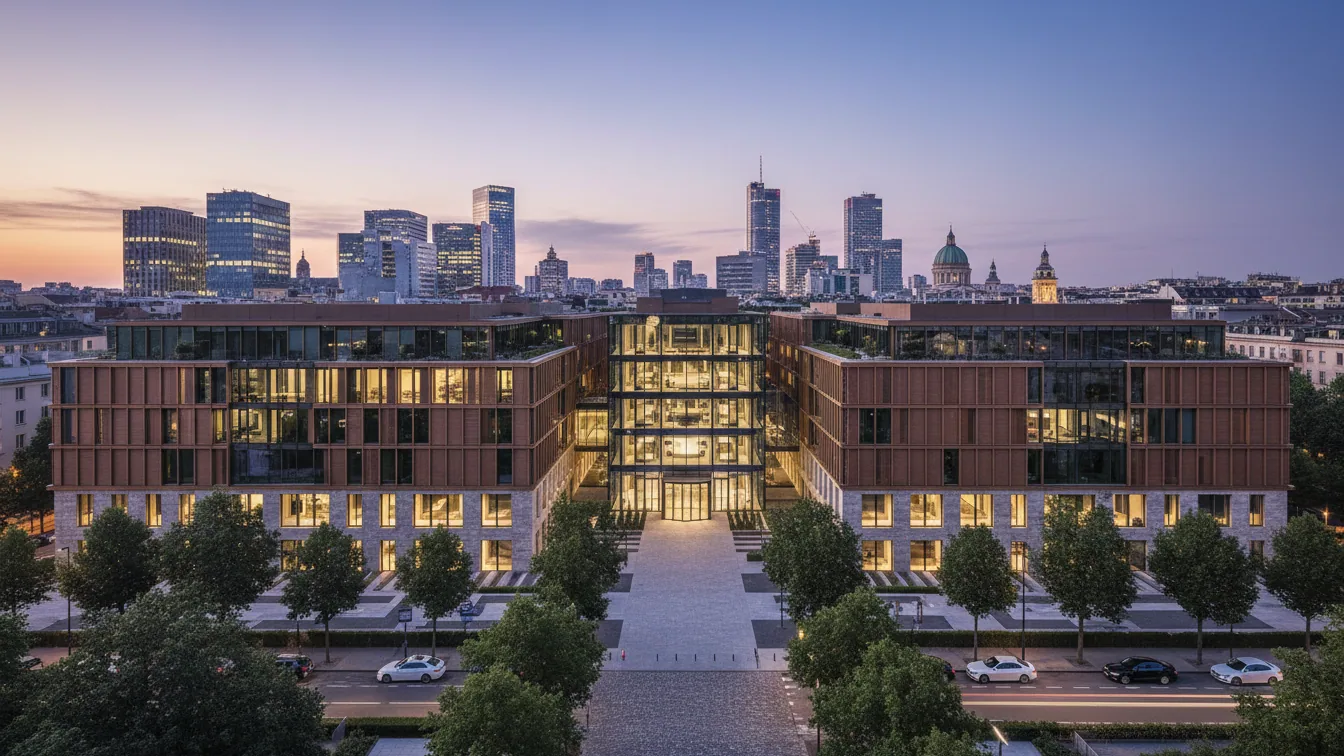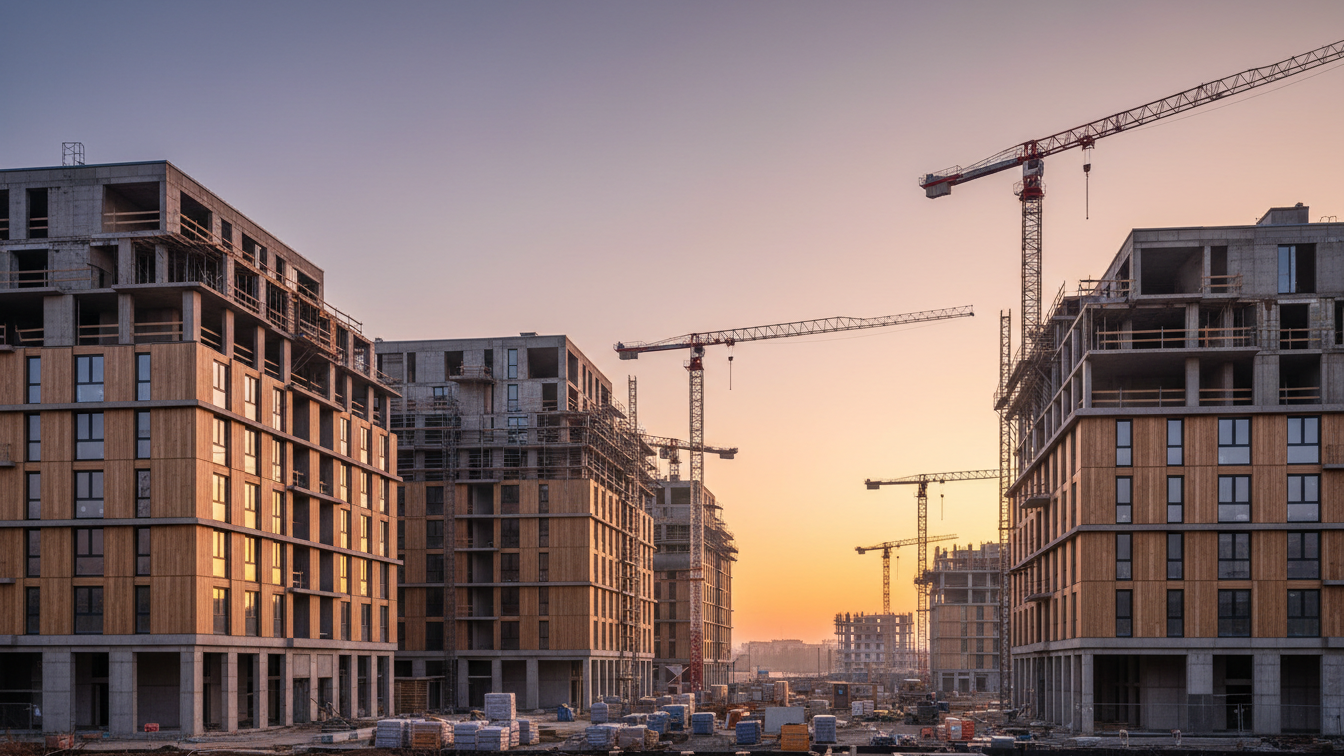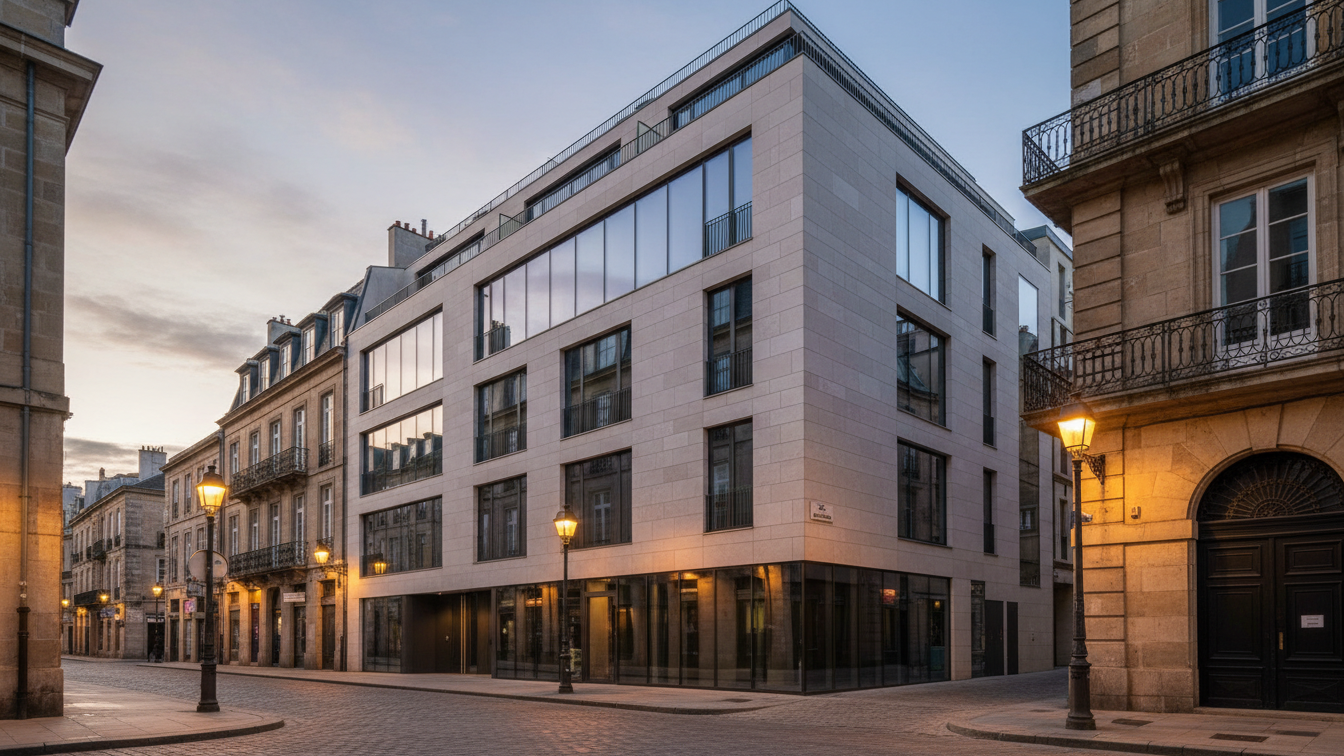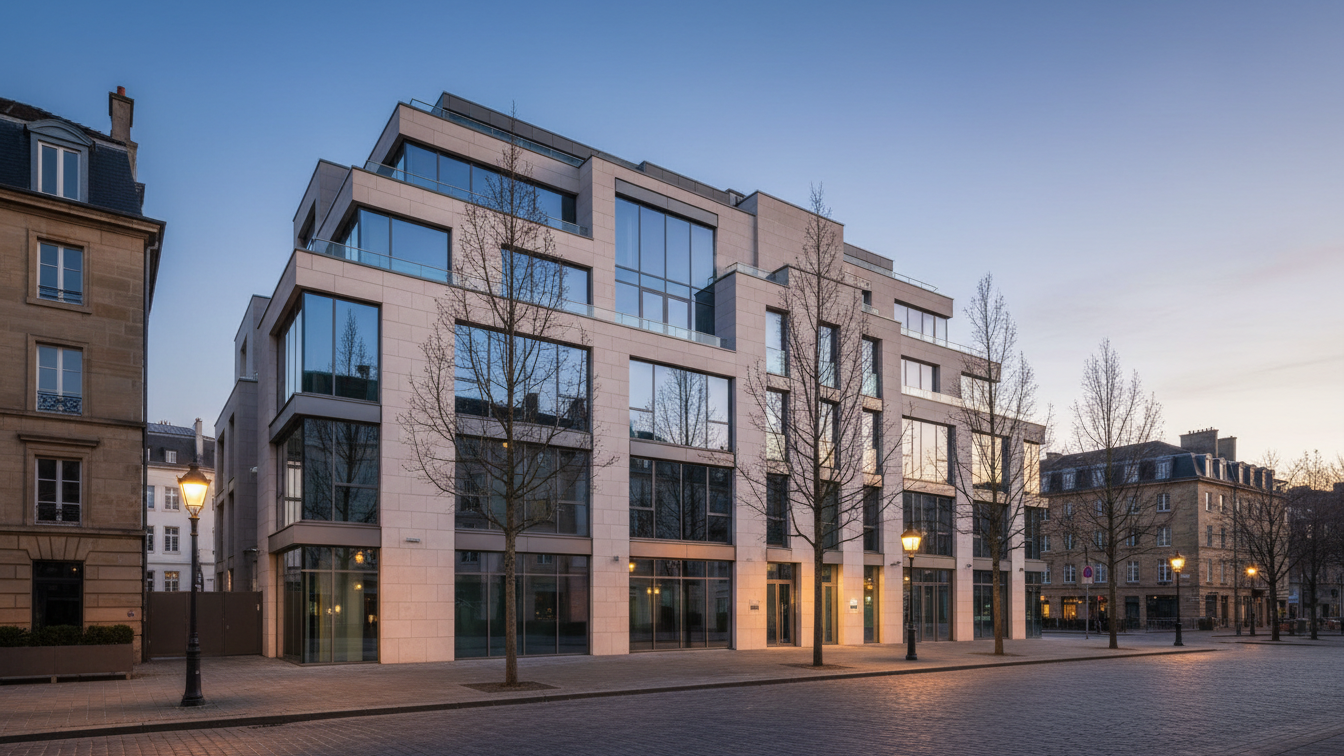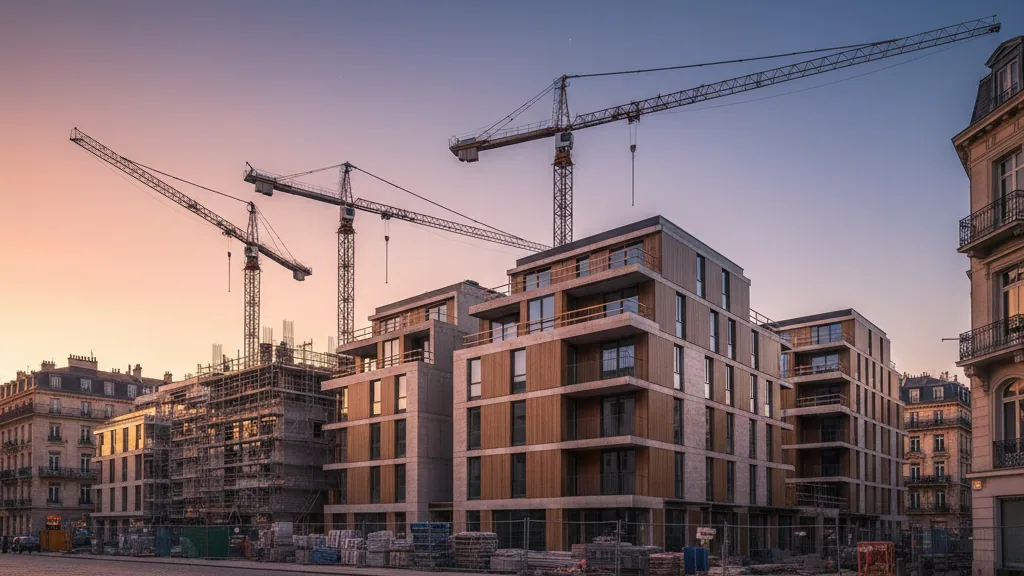
US architectural practices continued to operate in a demanding business environment in August. Fee revenues saw a further decline, as high financing costs and persistent inflation dampened activity for new projects. This development indicates that the real estate and construction sectors continue to grapple with macroeconomic challenges, which directly impact the commissioning of planning services.
The Federal Reserve's continued interest rate hikes to curb inflation have significantly increased borrowing costs for project developers and investors. This often leads to planned construction projects being postponed, scaled down, or entirely abandoned, which in turn suppresses demand for architectural services. The decline in fee revenues reflects this reluctance and underscores the sector's sensitivity to current economic conditions.
Factors contributing to the decline in fee revenues
Several factors contribute to the observed contraction. In addition to increased financing costs, persistent inflation also plays a role by driving up construction costs and reducing project profitability. Material and labour costs have risen, putting further pressure on developers. This complicates the calculation and execution of projects, leading to a more cautious approach to investment decisions.
Another aspect is the general economic uncertainty. Companies and individuals are more hesitant to make large investments as long as the economic outlook remains unclear. This has direct implications for commercial and residential real estate projects. Particularly in commercial properties, altered workplace concepts are leading to a reassessment of space requirements, which is reflected in a slowdown in the development of new office spaces.
Outlook and industry sentiment
Sentiment in the industry remains tense. Experts predict that current conditions may persist for some time until interest rates stabilise and inflation eases. Architectural practices are adapting their strategies by increasingly focusing on niche markets or diversifying their service offerings to remain resilient in this challenging environment. In the long term, demand for high-quality architecture will persist, but short-term adjustments are necessary.
- —High financing costs hinder new projects.